Restaurant Marketing Best Practices


Operators Daily is where multi-unit restaurant and hourly-workforce operators get smart, fast — practical guides and no-nonsense software comparisons across hiring, onboarding, scheduling, payroll, and compliance.
Popular articles
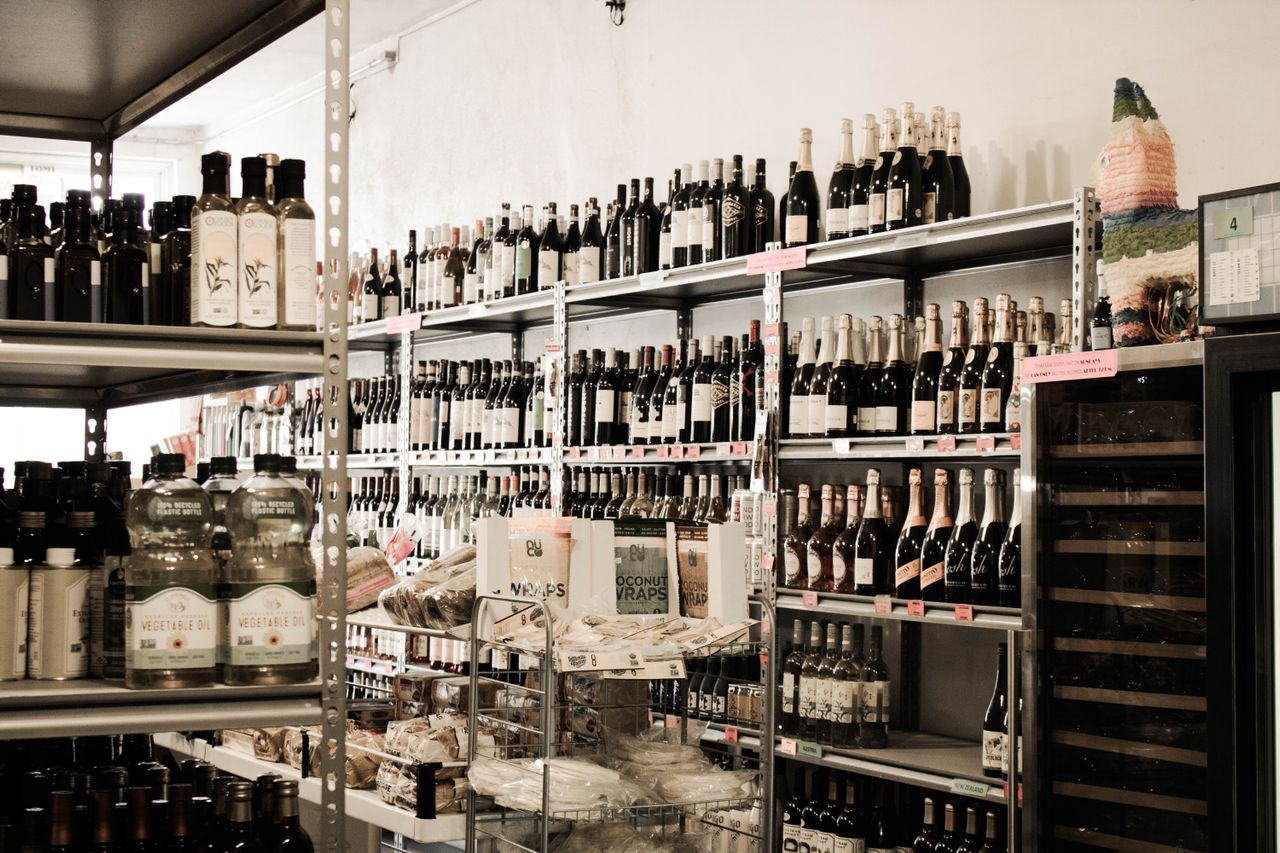
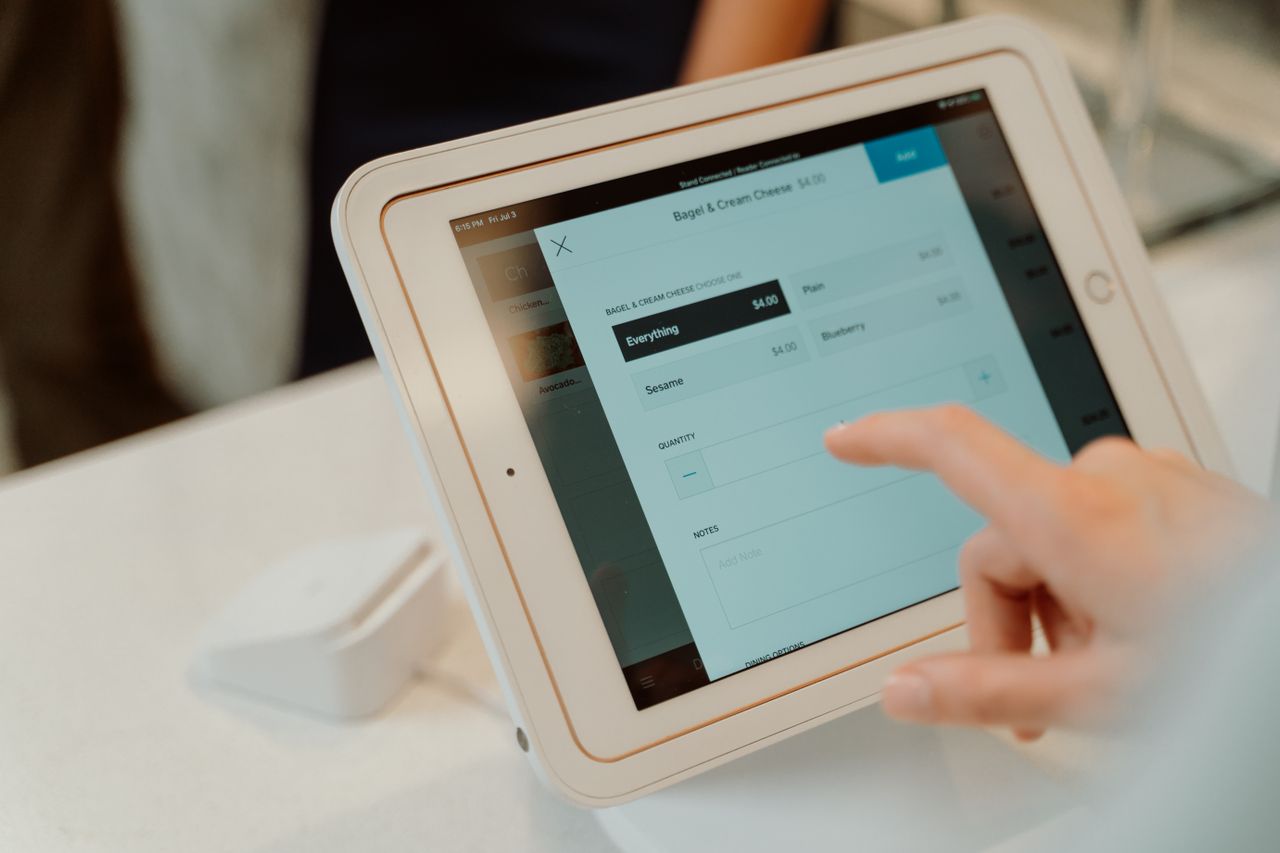
Running a multi-unit restaurant operation means juggling dozens of priorities, but few impact your bottom line as directly as marketing. In the National Restaurant Association's 2025 survey, 65% of operators said they planned to devote resources to digital or location-based marketing in 2025, and operators who build systematic marketing foundations are better positioned than those still relying on scattered tactics. This guide breaks down the strategies that matter most for restaurant groups managing multiple locations and hourly teams. For operators looking to align marketing efforts with operational efficiency, having the right workforce management software in place helps your team execute on every campaign you launch.
Key Takeaways
- Local SEO supports customer discovery: TouchBistro's 2024 U.S. diner research found that 64% of surveyed diners conducted a Google search before deciding on a new restaurant, making accurate, complete listings for every location a priority
- Email marketing can deliver strong returns: Litmus reports an average email-marketing return of about $36 for every $1 spent across surveyed marketers, although actual results vary substantially by industry and program
- Loyalty programs can increase visit frequency: In a 2026 DoorDash and SevenRooms survey, 66% of U.S. consumers surveyed said they order more often from restaurants where they are active loyalty members
- Social media can contribute to revenue: In Deloitte Digital research, surveyed restaurant brands attributed an average 9.9% increase in 2024 B2C revenue to social strategies, while brands Deloitte classified as social-first reported 14.1%
- Sequential implementation brings focus: One practical approach follows a clear order: get found (local SEO), build repeat business (email/loyalty), then layer in social and promotions
- Marketing carries compliance obligations: Creator partnerships require clear disclosure of material connections, and U.S. commercial email must follow the CAN-SPAM Act
Leveraging Digital for Restaurant Marketing Success
Digital marketing for restaurants has shifted from optional to essential. TouchBistro's 2024 U.S. diner research found that 64% of surveyed diners conducted a Google search before deciding on a new restaurant.
The most effective digital marketing strategies for multi-unit operators focus on three priorities:
- Online presence management: Every location needs accurate, complete information across Google, Yelp, and social platforms
- Target audience segmentation: Customers near your downtown location behave differently than those in suburban markets
- ROI measurement: Track which channels and campaigns drive actual sales, not just engagement
Digital advertising platforms like Google Ads and Meta allow precise geographic targeting, making them particularly valuable for multi-unit groups that need to drive traffic to specific locations. The key is setting up proper conversion tracking so you know which ad spend translates to actual orders.
Online reputation management becomes significantly more complex with multiple locations. A single negative review can impact one location's visibility while your other spots thrive. Centralized monitoring tools help operators catch issues before they spiral.
Mastering Social Media Marketing for Restaurants
Social media has evolved from a brand awareness tool to a potential revenue driver. In Deloitte Digital research, surveyed restaurant brands reported an average 9.9% increase in business-to-consumer revenue attributable to social strategies in 2024; brands Deloitte classified as social-first reported 14.1%. These are self-reported survey findings rather than guaranteed results.
Consumer behavior helps explain the opportunity: in Deloitte Digital's research, 65% of surveyed consumers said they follow food and lifestyle topics on social media, making it the largest community among the consumer segments Deloitte examined.
Platform Selection and Content Strategy
Not every platform deserves your attention. For restaurants, focus your efforts where food content thrives:
- Instagram: Visual storytelling, behind-the-scenes content, and Stories for daily specials
- TikTok: Short-form video showing food preparation, staff personalities, and restaurant culture
- Facebook: Community building, event promotion, and customer service
Three Pillars of Social Success
Deloitte's research highlights three pillars of restaurant social strategy:
- Community management: Deloitte found that 93% of surveyed social-first restaurant brands placed a high or very high priority on community management, which includes responding to comments, messages, and mentions
- Creator partnerships: In Deloitte's survey, 46% of respondents identified working with creators as their second-highest-return tactic after loyalty and rewards
- Conversion tactics: Bridge online engagement to in-store visits with location-specific promo codes and landing pages
Creator partnerships come with disclosure obligations. Payment, free or discounted meals, gifts, or other benefits can create a material connection that should be disclosed clearly and conspicuously under FTC endorsement guidance. Restaurants should give creators disclosure instructions and monitor sponsored content, since built-in platform disclosure tools may not always be sufficient on their own.
User-generated content provides authentic social proof at low cost. Encourage customers to tag your locations and share their dining experiences, then repost the best content with permission and document what uses the customer authorized.
Crafting Effective Restaurant Advertising Campaigns
Paid advertising amplifies your organic efforts, but only when executed with discipline. The most common mistake multi-unit operators make is treating advertising as single-location tactics repeated rather than coordinated campaigns.
Ad Creative That Converts
Restaurant advertising succeeds when it triggers immediate action. Your creative should:
- Feature high-quality food photography (skip the stock images)
- Include a clear, time-sensitive call to action
- Highlight what makes each location unique within your brand
A/B testing different headlines, images, and offers reveals what resonates with your specific audience. Test one variable at a time to identify clear winners.
Budget Allocation Across Locations
Distribute advertising budgets based on location-specific factors:
- New locations: Higher spend during grand opening campaigns to build initial awareness
- Underperforming locations: Targeted promotions to drive trial and repeat visits
- Seasonal adjustments: Increase spend in tourist-heavy areas during peak seasons
Conversion tracking must connect ad clicks to actual orders. Use unique promo codes, dedicated landing pages, or point-of-sale integration to measure real ROI rather than vanity metrics like impressions.
Enhancing Local SEO for Multi-Unit Restaurants
Local SEO is an important foundation of restaurant discovery. Google says local results are based primarily on relevance, distance, and prominence, while accurate information, reviews, and photos can help businesses present themselves effectively in local search. For multi-unit groups, strong location-level visibility can expand the brand's presence across multiple neighborhoods.
Google Business Profile Optimization
Your Google Business Profile is one of your most important local SEO assets. For each location:
- Claim and verify the listing with accurate NAP (Name, Address, Phone)
- Add complete business hours, including holiday schedules
- Upload high-quality photos of food, interior, and exterior
- Select precise categories (primary and secondary)
- Add supported contact or booking options where eligible, such as SMS, WhatsApp, or Reserve with Google. Google discontinued its legacy Business Profile chat feature in July 2024
Malou reports that clients investing in its local SEO services saw organic traffic increase by more than 160% within three months. This is a vendor-reported client result, not an industry benchmark.
Local SEO Checklist for Multi-Unit Operators
- NAP consistency: Keep each location's core business information accurate and consistent across important listings. Audit the major directories and platforms that matter to your customers and locations
- Local citations: Build listings on Yelp, TripAdvisor, OpenTable, and industry-specific directories
- Review management: Monitor and respond to reviews consistently, positive and negative, prioritizing timely and useful responses
- Schema markup: Add LocalBusiness structured data to help search engines understand each location
- Local landing pages: Create unique pages for each location with neighborhood-specific content
Mobile optimization is non-negotiable. Mobile usability matters because Google uses the mobile version of a site's content for indexing and ranking.
Implementing Customer Loyalty Programs to Drive Repeat Business
Loyalty programs can deliver clear business value. In a 2026 DoorDash and SevenRooms survey of 3,001 U.S. consumers and 509 U.S. restaurant operators, 66% of U.S. consumers surveyed said they order more often from restaurants where they are active loyalty members. National Restaurant Association research also found that 81% of consumers who were not already enrolled in a restaurant loyalty program said they would participate if one were offered by a favorite restaurant.
Operators often adopt loyalty programs to increase customer traffic and repeat visit frequency.
Program Design Principles
Effective loyalty programs share common elements:
- Simple earning structure: Points per dollar spent or visits tracked without complicated rules
- Attainable rewards: Make initial rewards realistically attainable so members can understand the program's value without excessive effort
- Tiered benefits: Reward your best customers with exclusive perks and early access
- Cross-channel functionality: Consider allowing earning and redemption across dine-in, delivery, and online ordering
If customers regularly use multiple ordering channels, consider allowing earning and redemption across those channels to reduce friction.
CRM Integration and Personalization
Loyalty data becomes more valuable when integrated with your CRM. Track:
- Visit frequency and recency
- Average check size
- Menu item preferences
- Preferred ordering channels
TouchBistro's 2024 Multi-Unit Restaurants Report found that 66% of surveyed multi-unit operators reported sending personalized offers, using customer data to target the right message to the right customer at the right time.
Choosing the Right Social Media Marketing Agency
For multi-unit operators without dedicated marketing staff, a social media marketing agency can accelerate results. The decision to hire externally makes sense when:
- Your team lacks bandwidth for consistent content creation
- You need specialized expertise in paid social advertising
- Expansion plans require professional campaign management
Evaluating Agency Fit
When reviewing agencies, prioritize:
- Restaurant specialization: Agencies with food and beverage experience understand the industry's unique challenges
- Portfolio review: Request case studies from multi-unit restaurant clients specifically
- Local market expertise: For regional brands, evaluate whether an agency has experience with the local markets where you operate
- Reporting and analytics: Clear dashboards showing metrics tied to business outcomes, not just engagement
Agency pricing varies widely by scope, market, location count, content production, and paid-media responsibilities. Request itemized proposals that separate management fees from advertising spend, and ensure contracts include clear deliverables and exit terms.
Communication protocols matter for multi-unit operations. Establish approval workflows that let individual GMs provide input while maintaining brand consistency across locations.
Evaluating and Selecting Restaurant Marketing Software Solutions
Technology adoption continues accelerating across restaurant operations. In the National Restaurant Association's 2025 survey, 65% of operators planned to devote resources to digital or location-based marketing and 58% planned to invest in loyalty or rewards systems. Separately, 67% said they had incorporated more technology in the previous two to three years, and among that group, 69% said technology made their restaurant more efficient and productive.
Essential Marketing Technology Stack
Multi-unit operators need integrated solutions across several categories:
- CRM software: Centralize customer data across all locations
- Email marketing platforms: Automate campaigns with welcome series, win-back sequences, and birthday emails
- Social media management tools: Schedule content, monitor mentions, and coordinate across locations
- Analytics dashboards: Connect marketing spend to actual sales by location
Email marketing deserves particular attention. Litmus reports an average email-marketing return of about $36 for every $1 spent across surveyed marketers, although actual results vary substantially by industry and program. DoorDash reports that restaurants using automated email marketing through its Commerce Platform saw an average 15% increase in order frequency among new and returning customers, based on its internal March 2024 to March 2025 data.
U.S. commercial email must comply with the CAN-SPAM Act. Requirements include accurate header information, nondeceptive subject lines, identification of the message as an advertisement, a valid physical postal address, a clear opt-out mechanism, and honoring opt-out requests within 10 business days. Federal CAN-SPAM generally does not impose a blanket prior opt-in requirement for ordinary commercial email, although other laws may apply.
Integration Requirements
Marketing software must connect with your operational systems. Look for platforms that integrate with:
- Point-of-sale systems for purchase data
- Online ordering platforms for customer capture
- Reservation systems for guest profiles
- Scheduling software for coordinating marketing-driven staffing needs
When marketing drives a successful promotion, your scheduling software needs to reflect increased labor demands. Platforms that connect team communication and scheduling can help operators staff appropriately for campaign-driven volume.
Strategic Considerations for Multi-Unit Restaurant Marketing
Multi-unit marketing requires balancing brand consistency with local relevance. The fundamental challenge is data flow: every campaign must reach the right audience at the right location without creating conflicting messages.
Centralized vs. Decentralized Marketing
A hybrid approach can help multi-unit groups balance brand consistency with location-level flexibility:
- Centralized: Brand guidelines, major campaigns, technology stack, and overall strategy
- Decentralized: Local event promotions, community partnerships, and location-specific offers
This structure maintains brand consistency while allowing individual locations to respond to local market conditions.
Operational Alignment
Marketing promises must match operational reality. A successful promotion that overwhelms an understaffed location damages your brand. Coordination requires:
- Staffing alignment: Marketing calendars shared with operations teams. Having the right onboarding software helps new hires execute on marketing promises quickly
- Inventory coordination: Promotional items stocked appropriately across locations
- Training consistency: Staff at every location able to deliver on advertised experiences
National Restaurant Association research found that 64% of surveyed full-service customers considered their top-ranked dining-experience attributes more important than meal cost. Marketing brings customers in, but operations determine whether they return.
Regional Market Trends
Consumer preferences vary by market. Urban locations may prioritize delivery and mobile ordering, while suburban spots focus on family dining and catering. Analyze location-level data to tailor marketing emphasis accordingly.
Seasonal menu promotions require careful coordination across locations. Limited-time offers build urgency, but inventory and training must be synchronized to avoid disappointing customers at any location.
Crisis communication becomes more complex with multiple locations. A food safety issue at one location can impact your entire brand. Establish clear protocols for rapid response and consistent messaging across all channels.
The Bottom Line
Effective restaurant marketing for multi-unit groups starts with being found through accurate and complete local listings for every location, then builds repeat business through email and loyalty programs before layering in social media, creator partnerships, and paid promotions. Throughout, success depends on measuring results tied to actual orders and visits and on keeping marketing promises aligned with staffing, inventory, and training at each location.
In practice, start by auditing each location's Google Business Profile and major listings, then set up conversion tracking so you can tie campaigns to sales by location. Build compliance into your program from the start, including creator disclosure instructions and CAN-SPAM-compliant email practices, and share marketing calendars with operations teams before every promotion.
For more practical guidance on restaurant operations and technology, explore the resources at Operators Daily.
Frequently Asked Questions
How can multi-unit restaurants ensure consistent branding across all marketing channels?
Start with documented brand guidelines covering visual identity, voice, and messaging. Use centralized marketing technology that allows corporate oversight while enabling location-specific execution. Regular audits of all customer touchpoints, from Google Business Profiles to social media handles to printed materials, catch inconsistencies before they confuse customers. Assign clear ownership for brand compliance and build approval workflows into your content creation process.
What metrics should restaurants track to measure marketing ROI?
Focus on metrics tied directly to revenue: customer acquisition cost by channel, return customer rate, average order value, and customer lifetime value. Vanity metrics like social media followers or email open rates matter less than conversion metrics showing actual purchases. Use unique promo codes for each campaign to attribute sales accurately. For multi-unit operators, track these metrics by location to identify which marketing tactics work best in different markets.
How often should restaurants update their Google Business Profile?
Update your profile whenever business information changes, including hours, holiday schedules, menus, and contact or booking options. Google recommends keeping information accurate and complete, responding to reviews, and adding photos and videos, but it does not prescribe a posting cadence for ranking purposes. Use Google Posts and new photos when they are useful and current, such as for specials, events, or new menu items. Monitor and respond to reviews consistently. For multi-unit operators, establish a content calendar that keeps every location's profile current without overwhelming any single manager.
What is the ideal email frequency for restaurant marketing?
There is no universal ideal restaurant email frequency. TouchBistro's 2024 multi-unit survey found that 50% of multi-unit operators who used email sent messages every few days, but the survey does not establish that cadence as optimal. Start with one email per week and test frequency based on unsubscribe rates and engagement metrics. Segment your list so loyal customers receive more frequent communication while occasional diners get less. Automated emails like welcome series and win-back campaigns run independently of your regular schedule, and every commercial email should include a clear opt-out mechanism.
How do staffing and onboarding impact marketing effectiveness?
Marketing campaigns fail when understaffed locations cannot deliver on promotional promises. Effective scheduling software helps managers staff appropriately for anticipated campaign volume. Proper onboarding helps new hires understand current promotions and deliver on customer service expectations. When selecting onboarding software for hourly teams, look for platforms that can quickly train staff on promotional offers and brand standards across all locations.
Join multi-unit operators getting practical guides and no-nonsense software breakdowns across hiring, onboarding, scheduling, payroll, compliance, and what's shifting in the industry.
Free. One email a week. Unsubscribe anytime.