Best Inventory Management Software for Multi-Location Restaurants


Operators Daily is where multi-unit restaurant and hourly-workforce operators get smart, fast — practical guides and no-nonsense software comparisons across hiring, onboarding, scheduling, payroll, and compliance.
Popular articles
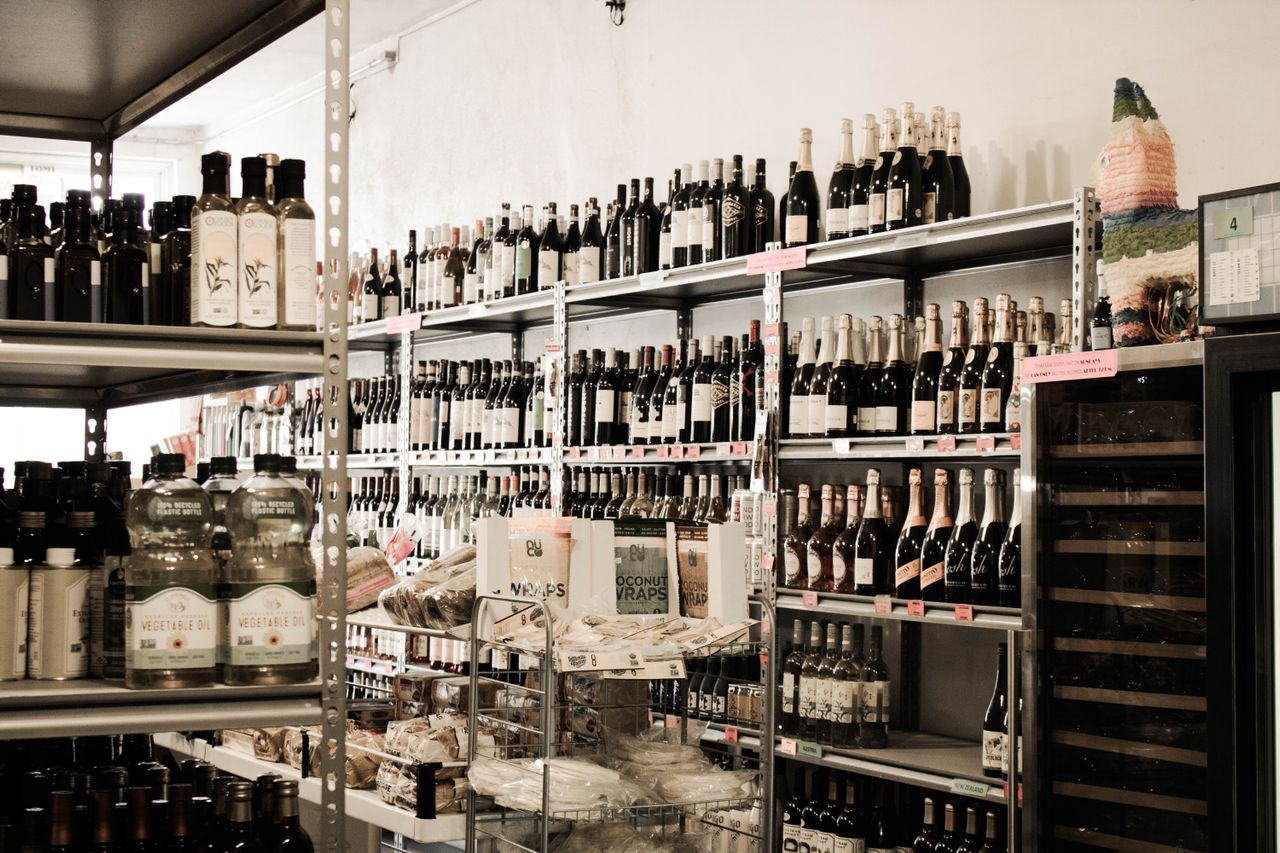
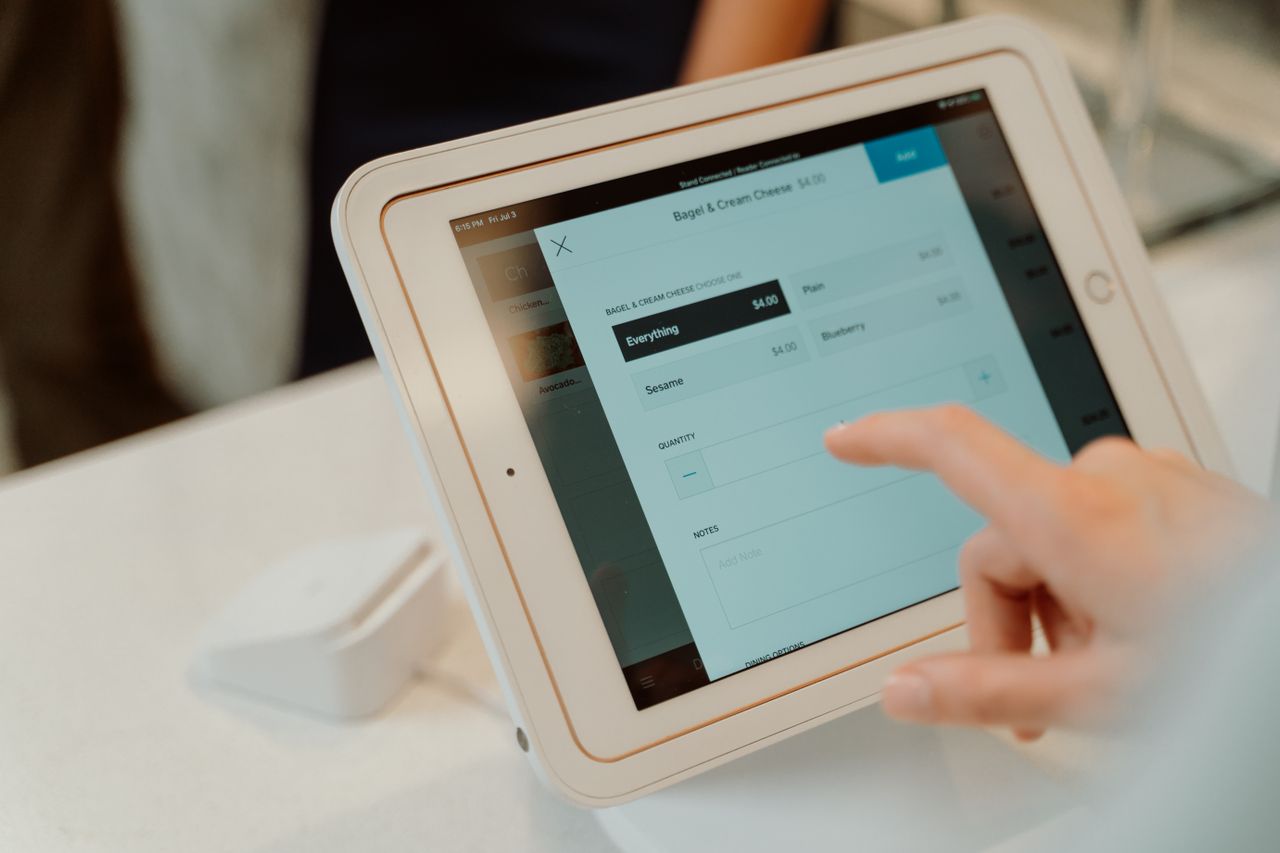
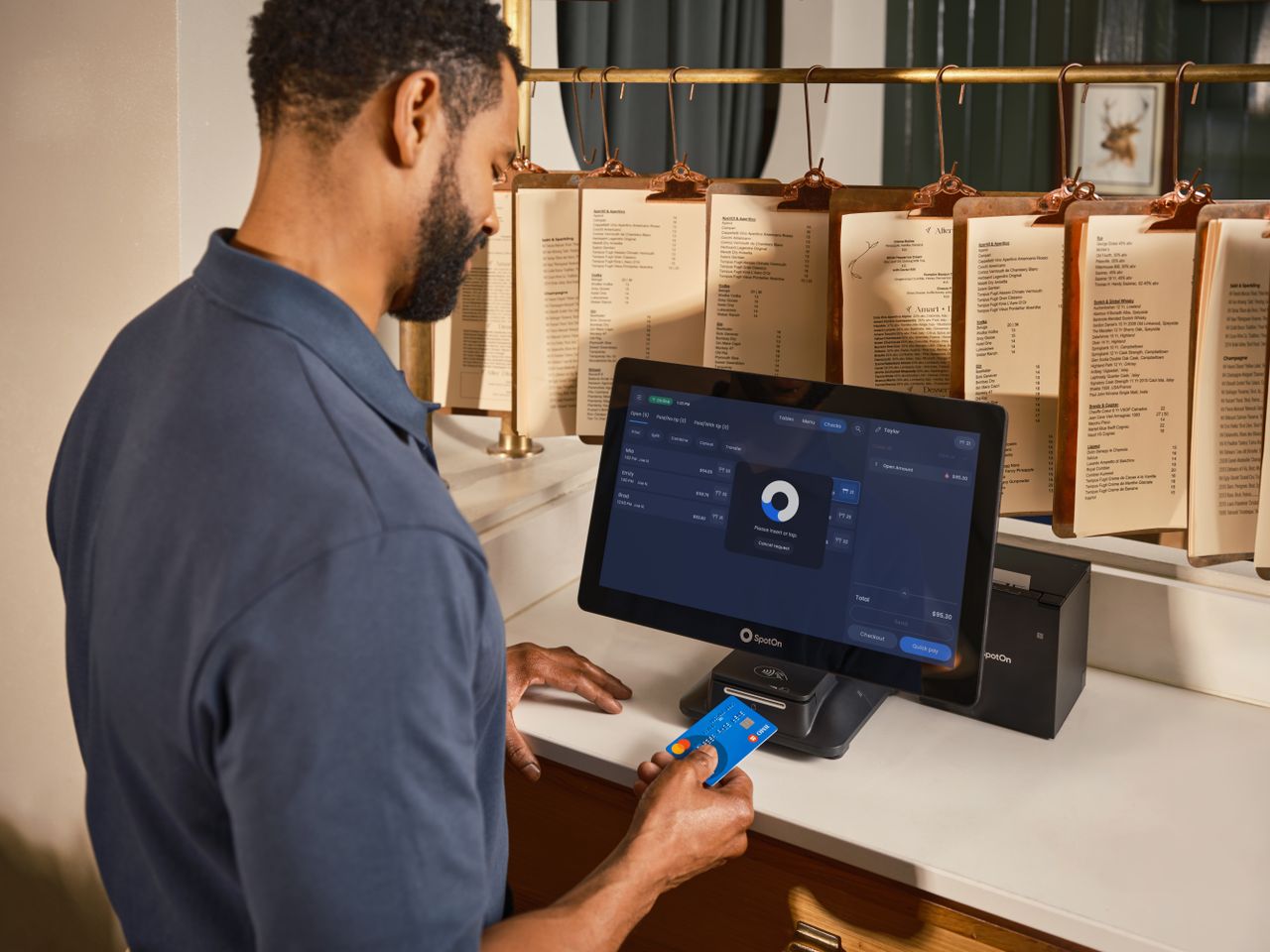
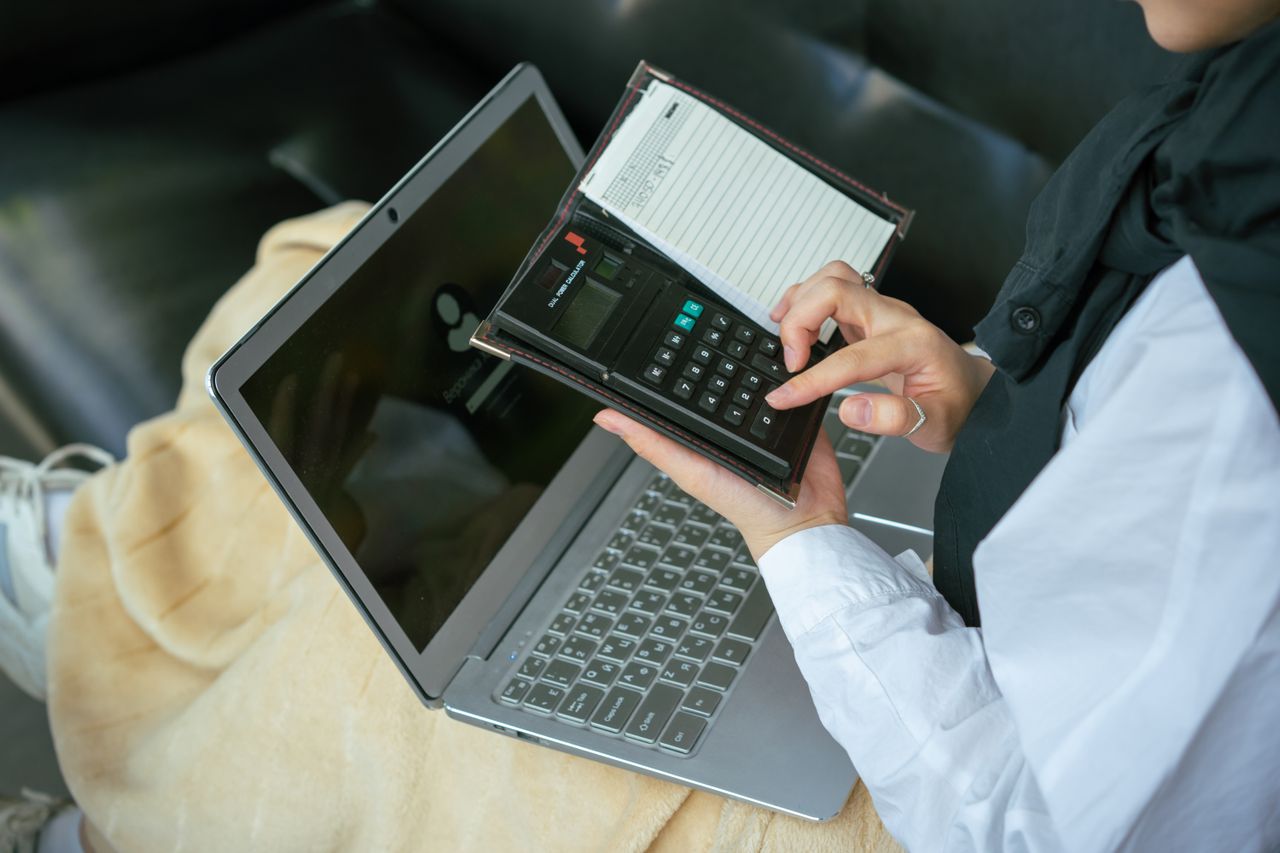
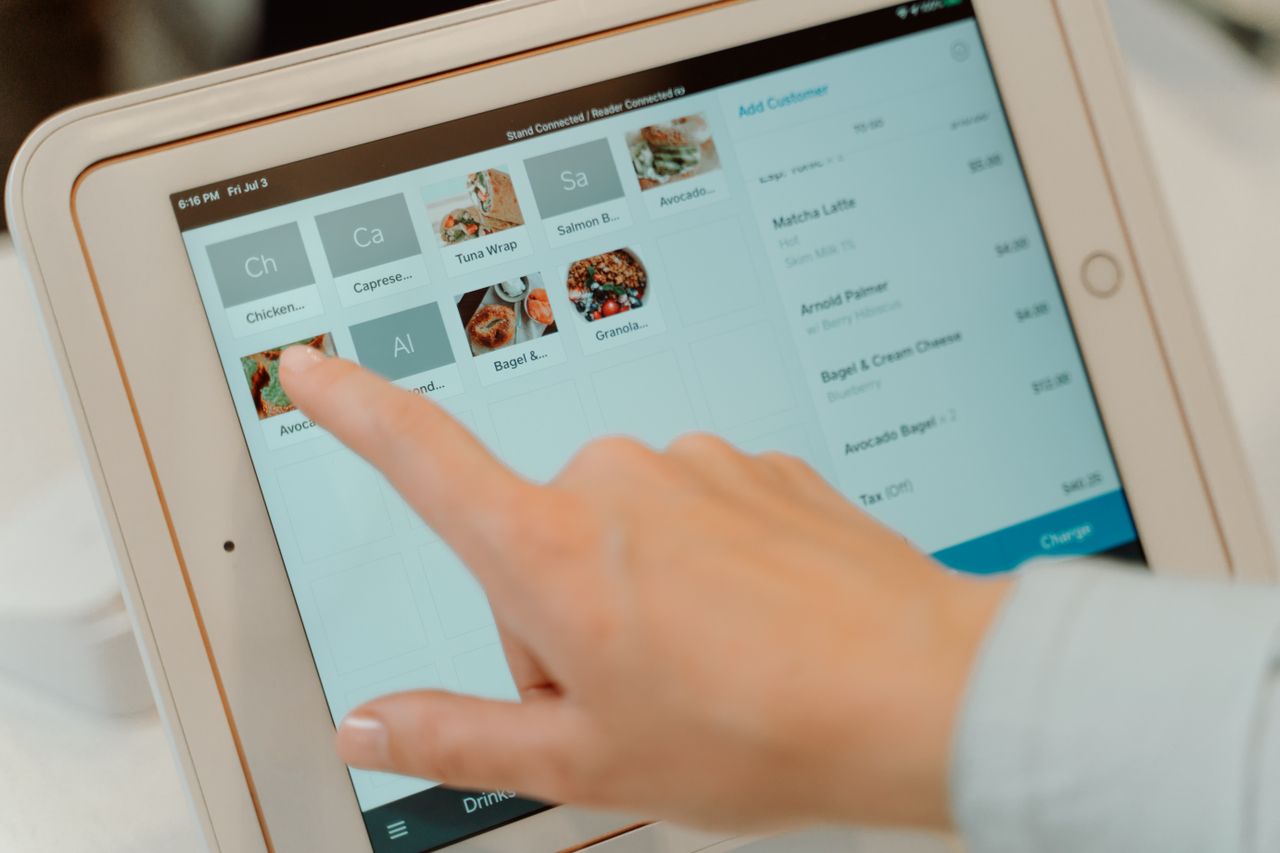
Managing inventory across multiple restaurant locations without the right software is expensive, inaccurate, and always a step behind. For multi-unit operators juggling inconsistent recipes, supplier price discrepancies, and location-level waste, the right restaurant inventory software can mean the difference between slim margins and sustainable profitability. Combined with scheduling and workforce tools, inventory management software forms the operational backbone of successful multi-location groups.
This guide breaks down 10 inventory management software solutions for multi-location restaurants, organized by use case, pricing, and the specific challenges each platform solves.
Key Takeaways
- Restaurant365 quotes are based on the products and locations selected, so confirm whether a proposal includes inventory, accounting, scheduling, and payroll.
- MarketMan publishes per-location pricing: Starter at $249, Growth at $299, and Enterprise from $449 per location per month.
- Supy advertises pricing starting at $250/month, with AI Ordering available as a separately priced add-on.
- Published offers use different billing units, commitments, add-ons, and setup fees. MarginEdge lists $350 per location per month, while WISK lists single-venue plans from $249/month plus one-time setup fees, so compare total configured cost rather than a general per-location range.
- We prioritized actual vs. theoretical (AvT) variance reporting and POS integration quality as selection criteria for scaling operations.
- Implementation timelines vary by vendor, scope, and location count. MarketMan, for example, describes two to four weeks for a single location, so request a written plan from each vendor.
Understanding Inventory Management Software for Restaurants
What is Inventory Management Software?
Restaurant inventory software tracks stock levels, monitors food costs, automates purchasing, and provides visibility into waste and variance across locations. For multi-unit operations, these platforms centralize data from every restaurant into unified dashboards, enabling operators to spot problems before they compound.
The core functions include:
- Stock tracking: Visibility into what you have on hand at each location, based on counts, receipts, and transfers
- Ordering automation: Par-level alerts and forecast-based ordering suggestions based on sales patterns
- Recipe costing: Calculate food costs for every menu item based on recorded prices, yields, and portions
- Variance reporting: Compare theoretical food usage against actual consumption
- Vendor management: Track pricing, manage purchase orders, and consolidate supplier relationships
Why Multi-Location Restaurants Need Specialized Solutions
Single-location inventory tools often fall apart when scaled across multiple sites. Multi-unit operators face unique challenges: inconsistent portion sizes between locations, different supplier pricing by region, inter-store transfers, and variance that multiplies across the portfolio.
Multi-location operators increasingly prioritize cost control tools as margin pressures intensify across the industry. Better inventory visibility through software adoption represents one of the most accessible paths to improved operational performance.
Key Features to Look for in Multi-Location Restaurant Inventory Software
Centralized Reporting and Analytics
The ability to view all locations from a single dashboard separates multi-location tools from basic inventory trackers. Look for platforms that offer:
- Consolidated reporting across all units (ask whether it's a food-cost dashboard, a controllable P&L, or a consolidated financial statement that your accounting system must supply)
- Location-level drill-down for variance analysis
- Customizable reporting by region, concept, or time period
- Role-based permissions (200+ configurable permissions on platforms like Supy)
Real-time Stock Tracking Across Locations
Manual inventory counts at five locations mean five separate processes that rarely sync. Modern platforms provide more current visibility into stock levels, enabling:
- Estimated inventory depletion between counts as items sell through POS integration
- Transfer management between locations
- Low-stock alerts before you run out
- Historical trend analysis for smarter par levels
POS-based depletion is an estimate between counts. Regular physical counts are still needed to confirm actual stock on hand.
Recipe Costing and Portion Control
Accurate recipe costing requires knowing what goes into each dish and what those ingredients cost. Many platforms update recipe cards from recorded purchase or invoice prices, so your food cost calculations reflect recent prices rather than outdated spreadsheet data. Accuracy still depends on correct yields, portions, and unit conversions.
How Inventory Management Software Improves Food Cost Control
The National Restaurant Association reports a median food and nonalcoholic beverage cost of 32.0% of sales among full-service restaurant respondents in 2024. Inventory software helps operators see where costs are moving, but results depend on how consistently the system is used.
Reducing Waste and Spoilage
Waste tracking features help identify where food goes missing. Platforms with AvT reporting flag differences between recipe-based expected usage and usage calculated from counts, receipts, and transfers. Investigate waste logs, recipe yields, units of measure, transfers, and count errors before attributing a loss to over-portioning, spoilage, or theft.
Supy's Tashas case study, for example, reports monthly cream variance falling from about 1,000–1,500 liters to about 500 liters after implementation.
Optimizing Purchasing Decisions
Forecast-based ordering analyzes sales history and seasonality to inform purchase quantities. These suggestions can help managers order more consistently, though they still need review against deliveries, events, and on-hand counts.
Accurate Recipe Costing
When ingredient prices fluctuate, your menu prices should respond. Recipe costing tied to invoice data updates your food cost percentage as new prices are recorded, so you can spot when a dish becomes unprofitable before it erodes margins for weeks.
Top Inventory Management Software Solutions for Restaurants (Paid Options)
We evaluated each platform based on multi-location capabilities, AvT reporting, POS integration, published pricing, and plan inclusions. Here are the options organized by use case.
1. Restaurant365: All-in-One Back Office for Restaurant Groups
Best for: Restaurant groups wanting accounting and inventory from one vendor
Restaurant365 quotes the products and locations selected. Its materials describe accounting, inventory and purchasing, workforce management, and payroll as separate products, and the company reports more than 50,000 restaurants across its platform.
Key Features
- Native restaurant accounting with consolidated P&L
- Actual vs theoretical food cost reporting
- POS integrations (check R365's POS directory for your system and available data)
- Workforce management and payroll available as separate products
Price
Custom quote based on the products and locations selected. Confirm whether the proposal includes inventory, accounting, scheduling, and payroll.
Strengths
- Restaurant-specific accounting alongside inventory
- AvT reporting built into the inventory product
- Lets groups add workforce and payroll products as needed
Limitations
- Pricing isn't published; requires a sales quote
- Each product is quoted separately, so confirm what's included
- Implementation scope depends on the products purchased
In Restaurant365's case study, Flagship Restaurant Group reports saving nearly $600,000 over two years. As Executive Chef Tony Gentile noted: "The money we save with Restaurant365 goes right into the opening of each new location."
2. MarketMan: Dedicated Inventory and Procurement
Best for: Multi-location groups wanting dedicated inventory without replacing accounting software
MarketMan reports serving 15,000+ restaurants and focuses on inventory and procurement rather than full back-office replacement. It publishes per-location pricing for its plans.
Key Features
- Recipe costing based on recorded purchase and invoice prices
- Actual vs Theoretical (AvT) reporting on Starter
- 50 AI invoice scans per month and one vendor EDI integration on Starter
- Smart Ordering and unlimited invoice scanning on Growth
- Advanced reports and unlimited vendor EDI integrations on Enterprise
Price
Starter $249, Growth $299, and Enterprise from $449 per location per month. Two Starter locations at list price total $498 per month, before any additional services or negotiated discounts.
Strengths
- Published per-location pricing
- AvT reporting and recipe costing included from Starter
- AP automation features, with invoice scanning limits by plan
Limitations
- Requires separate accounting software
- Smart Ordering requires Growth or higher
- Advanced reports and unlimited vendor EDI integrations require Enterprise
In MarketMan's Lucky 13 Sandwich case study, Danny Cavender credits the platform with giving his team the reporting needed to review and improve cost of goods sold across the chain.
3. Supy: Multi-Branch Inventory and Procurement
Best for: Growing multi-branch groups needing operational controls across locations
Supy reports serving 5,000+ restaurants in 50+ countries. On G2, it showed a 4.9/5 rating from 77 reviews as of November 2026.
Key Features
- Branch-level predictive ordering (AI Ordering is a separately priced add-on)
- 200+ configurable user permissions
- Live stock visibility across all locations
- Unlimited users per location
Price
Starts at $250/month, quoted by operational setup, locations, and payment terms. The starting figure doesn't establish a U.S. per-location price.
Strengths
- Unlimited team training and unlimited users per location listed in the plan
- Detailed permission controls
- Published starting price
Limitations
- AI Ordering costs extra
- Final pricing requires a sales conversation
- Starting price doesn't confirm per-location cost for U.S. groups
Supy publishes several customer outcomes. Shaka Cafes reported food cost moving from 39% to 33% and variance from 15% to 9% after a few months, and Supy's Automatic Restaurant case study reports a 25% food-cost reduction. MAMA'ESH Director of Operations Ali Abdulla stated: "30 or 300 branches, we're staying with Supy. We know it's accurate, we know it works."
4. Craftable: Inventory with AP Automation
Best for: Groups handling heavy invoice volume who need AP automation alongside inventory
Craftable combines inventory management with accounts payable automation. Its partner page lists 60+ POS systems and 1,000+ vendors, suppliers, and delivery platforms collectively.
Key Features
- Three-way matching of purchase orders, receipts, and invoices
- Invoice AI processing
- Inventory and AP automation in one platform
Price
Contact Craftable for pricing on inventory and AP automation.
Strengths
- Combines inventory and AP workflows
- Broad POS and vendor integration network
- Three-way matching for invoice control
Limitations
- Pricing isn't published
- Three-way matching requires store-level invoice mapping and isn't compatible with Director-level mapping
- Confirm which features are included in your package
Craftable markets an average of 9 minutes saved per invoice as a cross-customer figure, without a stated sample or measurement period. In vendor-published case studies, bartaco reported a 50% reduction in food-cost variance and $30,000+ saved weekly across 32 locations, and Morrissey Hospitality reported reducing the share of manual AP entries from 50% to 7%.
5. MarginEdge: Invoice Processing and Daily P&L
Best for: Groups wanting financial visibility without replacing existing systems
MarginEdge focuses on invoice processing and daily controllable P&L reporting. Its team processes invoice data, and the controllable P&L uses your configured categories and sales.
Key Features
- Team-handled invoice data processing
- Daily controllable P&L by location
- Inventory, ordering, and price tracking
- Works alongside existing accounting software
Price
$350 per location per month, or $3,780 prepaid annually per location (equivalent to $315 per month). The prepaid annual plan is nonrefundable if canceled early. Group quotes and optional add-ons are available, and onboarding fees are separate. Toast users pay a 10% integration fee per location plus a separate $50-per-location monthly Toast Restaurant Management Suite charge for API access.
Strengths
- Published per-location pricing
- Invoice processing handled by MarginEdge's team
- Daily controllable P&L by location
Limitations
- Toast operators face additional integration and API charges
- Annual prepayment is nonrefundable if canceled early
- Requires POS and accounting connections before full reporting
MarginEdge documents POS and accounting connection prerequisites, a quality review during the first 30 days, and bespoke onboarding for groups of five or more locations. Early invoice processing and a full multi-store rollout have different milestones.
6. Crunchtime: Enterprise Restaurant Operations Suite
Best for: Large franchise brands and enterprise restaurant groups
Crunchtime reports a footprint of 150,000+ locations in 100+ countries across its software portfolio. Its Ops Execution product page names Chipotle, Domino's, and Five Guys as customers of that product.
Key Features
- Inventory, KDS, and labor products within the suite
- Insights, AI Forecasting, and Insights Assistant using kitchen and labor data
- Franchise-scale operations support
Price
Custom enterprise pricing. Request the specific modules and terms for an inventory quote.
Strengths
- Broad operations suite for large brands
- Forecasting and analytics tools across kitchen and labor data
- Built for franchise-scale operations
Limitations
- Pricing isn't published
- Customer use of a specific module should be confirmed directly
- Suite scope requires clarifying which modules you need
7. BlueCart: Multi-Location Purchasing with BinWise Inventory
Best for: Groups whose primary need is purchasing coordination
BlueCart supports multi-location purchasing and offers inventory workflows with BinWise, including food inventory, beverage counts, purchasing, and reporting.
Key Features
- Centralized multi-location ordering
- Supplier management
- Food inventory and beverage counts through BinWise
Price
Contact BlueCart for a demo and quote. Public restaurant-group pricing could not be verified.
Strengths
- Centralized procurement across locations
- Inventory workflows available through BinWise
- Supplier ordering in one platform
Limitations
- Pricing isn't published
- Implementation duration isn't published
- Confirm which inventory features come through BinWise
8. xtraCHEF by Toast: For Toast POS Users
Best for: Existing Toast POS customers
Toast operators can add xtraCHEF by Toast for restaurant inventory and food-cost reporting. It documents invoice automation, recipe costing, and Toast POS sales integration. Toast IQ Inventory has separate limited-release eligibility.
Key Features
- Invoice automation
- Recipe costing
- Connects Toast POS sales with inventory and cost reporting
Price
Confirm the product, features, and price in your proposal. Full xtraCHEF inventory isn't established as included with every Toast POS subscription.
Strengths
- Connects with Toast POS sales data
- Combines invoicing and recipe costing
- Can be added by existing Toast customers
Limitations
- Requires commitment to the Toast ecosystem
- Pricing must be confirmed separately from POS plans
- Toast IQ Inventory has separate, limited eligibility
9. Apicbase: Recipe Standardization and Menu Engineering
Best for: Groups focused on recipe and menu engineering
Apicbase emphasizes menu engineering and recipe management. Its Growth plan lists menu engineering, purchasing, and inventory management.
Key Features
- Menu engineering and recipe management
- Purchasing and inventory management on Growth
- HACCP & Tasks add-on for planning, recording, and checking food safety tasks
Price
Custom quote. The Growth plan card says "Starting from 5 outlets," while the pricing FAQ refers to pricing starting with one location, so ask sales to confirm eligibility for smaller groups. Plans are billed annually, with a 15% additional charge for monthly billing.
Strengths
- Recipe standardization and menu engineering focus
- Purchasing and inventory on the Growth plan
- Optional food safety task tools
Limitations
- No public dollar pricing
- HACCP & Tasks is an add-on, and operators still carry out monitoring and verification
- Monthly billing adds 15%
10. WISK: Beverage-Focused Concepts
Best for: Bars and beverage-focused operations
WISK offers a mobile counting workflow and a database of more than 200,000 beverages. It advertises barcode scanning up to five times faster than manual entry.
Key Features
- 200,000+ beverage database
- Mobile-first counting
- Barcode scanning
- Beverage, food, or combined food and beverage products
Price
Single-venue Beverage or Food at $249/month, or the single-venue Food & Beverage bundle at $399/month, with annual and quarterly terms. One-time single-venue setup is $750 for one product or $1,250 for the bundle. WISK prices multiple outlets on one property separately from multi-property groups and chains, so confirm the right plan for independent restaurant addresses. Certain annual multi-outlet plans include implementation at no extra setup cost.
Strengths
- Published pricing with annual and quarterly options
- Large beverage product database
- Mobile counting workflow
Limitations
- One-time setup fees apply to single-venue plans
- Single-venue rates don't apply to every location in a multi-property group
- Faster scanning doesn't mean an entire count takes one-fifth of the time
Free and Open Source Inventory Management Options for Restaurants
Leveraging Excel for Basic Tracking
For operators not ready to invest in paid software, Excel and Google Sheets templates can handle basic inventory tracking. The limitations become apparent quickly at scale:
- Manual data entry prone to errors
- No real-time visibility across locations
- Limited automation capabilities
- POS sales data must be imported; Excel's Power Query can import external data, but compatibility depends on your POS's exports or connectors
Exploring Open Source Alternatives
Open source inventory tools exist but typically require technical expertise to implement and maintain. Weigh the setup and support time against the subscription costs of paid platforms for your operation.
Integrating Inventory Software with Your Restaurant's POS and Management Systems
POS integration quality is a make-or-break factor when selecting inventory software. Without tight POS connections, inventory data lags behind actual sales, making variance reports unreliable.
Seamless Data Flow
Look for platforms that sync automatically with your POS to update theoretical usage. POS data fields and polling schedules vary by integration, so ask each vendor how often sales data syncs. Integration reduces manual entry, but counts, receipts, and transfers still need reconciling.
Benefits of Unified Systems
When inventory software connects with scheduling, payroll, and accounting systems, operators gain a complete operational picture. This integration enables decisions like adjusting labor based on predicted sales volume, which affects both inventory needs and staffing requirements. For operators evaluating scheduling tools alongside inventory software, understanding the full cost of workforce management platforms can help build a complete operational technology stack.
Choosing the Right Inventory Management Software for Your Multi-Location Business
Assessing Your Restaurant's Unique Needs
Consider these factors when selecting a platform:
- Number of locations: Confirm which group-level functions, such as centralized reporting, transfers, and commissary tools, each plan includes
- Current tech stack: Existing POS, accounting software, and scheduling tools affect integration requirements
- Budget: Published offers use different billing units, such as per location (MarketMan, MarginEdge), per venue or property (WISK), or a starting figure (Supy), along with different commitments, add-ons, and setup fees. Compare the total configured cost
- Primary pain point: Invoice chaos, waste, purchasing coordination, or financial visibility; each point to different solutions
Evaluating Vendor Support and Training
Implementation support varies significantly. Supy lists unlimited team training, while other vendors charge setup or onboarding fees, such as WISK's single-venue setup fees and MarginEdge's onboarding fees. Factor training costs into your total investment, and consider how this connects with your broader restaurant training platforms strategy.
Implementation Strategies and Best Practices for Multi-Location Rollouts
Phased Implementation for Smooth Transitions
Rather than rolling out to all locations simultaneously, we recommend starting with a pilot program at one or two locations. This approach allows you to:
- Identify integration issues before they affect the entire portfolio
- Develop standard operating procedures based on real usage
- Train internal champions who can support other locations
Ensuring Staff Training and Adoption
Technology only works if staff actually use it. Build training into the rollout plan and designate location-level champions responsible for adoption. If a platform offers a mobile app, test it with hourly staff during the pilot.
Monitoring Performance and ROI
Track key metrics before and after implementation:
- Food cost percentage
- Variance between theoretical and actual usage
- Time spent on inventory counts
- Purchasing accuracy
Document these baseline metrics to demonstrate ROI and justify continued investment.
The Bottom Line
Each platform here fits a different operating need. Groups wanting accounting and inventory from one vendor can evaluate Restaurant365, while operators keeping their existing accounting system can compare dedicated tools like MarketMan, Supy, Apicbase, and MarginEdge. Toast customers can look at xtraCHEF, beverage-heavy concepts can consider WISK, invoice-heavy groups can weigh Craftable, purchasing-focused groups can review BlueCart, and large franchise brands can explore Crunchtime.
Before you buy, confirm each vendor's billing unit, add-ons, setup fees, and commitment terms for your location count, request a written implementation plan, and pilot the platform at one or two locations. For counting, receiving, and waste procedures, see our inventory management best practices.
Frequently Asked Questions
What is the primary benefit of inventory management software for multi-location restaurants?
Centralized visibility across all locations enables operators to identify variance, standardize recipes, and make purchasing decisions based on portfolio-wide data rather than location-by-location spreadsheets. Results vary by operation. In a Craftable case study, for example, bartaco reported a 50% reduction in food-cost variance across 32 locations.
Can free inventory management tools like Excel templates be effective for small multi-location businesses?
Excel can handle basic tracking for groups with simple menus. POS sales data has to be imported from exports or a connector, and updates aren't real-time across locations, so weigh the manual effort against the cost of paid software as your group grows.
How does inventory management software help reduce food waste?
Actual vs theoretical reporting flags differences between recipe-based expected usage (based on POS sales) and usage calculated from counts, receipts, and transfers. Investigate waste logs, recipe yields, units of measure, transfers, and count errors before attributing a variance to over-portioning, spoilage, or theft.
What are the key integration points to consider when choosing inventory software?
POS integration is essential for accurate theoretical usage calculations. Accounting software integration streamlines financial reporting. Vendor EDI connections automate ordering. Evaluate how well each platform connects with your existing systems, including which data fields sync and how often.
How do you calculate food cost percentage using inventory data?
Food cost percentage equals (Food Cost of Goods Sold / Food Sales) x 100, using the same location, dates, and category in both parts of the calculation. Food COGS is calculated as beginning inventory plus purchases minus ending inventory. At the store level, include net transfers when applicable, so product received from another location doesn't make that location's calculated usage artificially low. Inventory software automates this calculation using your counts, invoices, transfers, and POS sales data.
Is MarketMan suitable for a restaurant with only two locations?
MarketMan supports multi-location groups, but its pricing is per location. Starter lists at $249 per location per month, so two Starter locations total $498 per month at list price, before any additional services or negotiated discounts. Confirm which group-level functions you need before choosing a plan, since Smart Ordering requires Growth and advanced reports require Enterprise.
Join multi-unit operators getting practical guides and no-nonsense software breakdowns across hiring, onboarding, scheduling, payroll, compliance, and what's shifting in the industry.
Free. One email a week. Unsubscribe anytime.