Best Reservation and Waitlist Apps for Casual Dining


Operators Daily is where multi-unit restaurant and hourly-workforce operators get smart, fast — practical guides and no-nonsense software comparisons across hiring, onboarding, scheduling, payroll, and compliance.
Popular articles
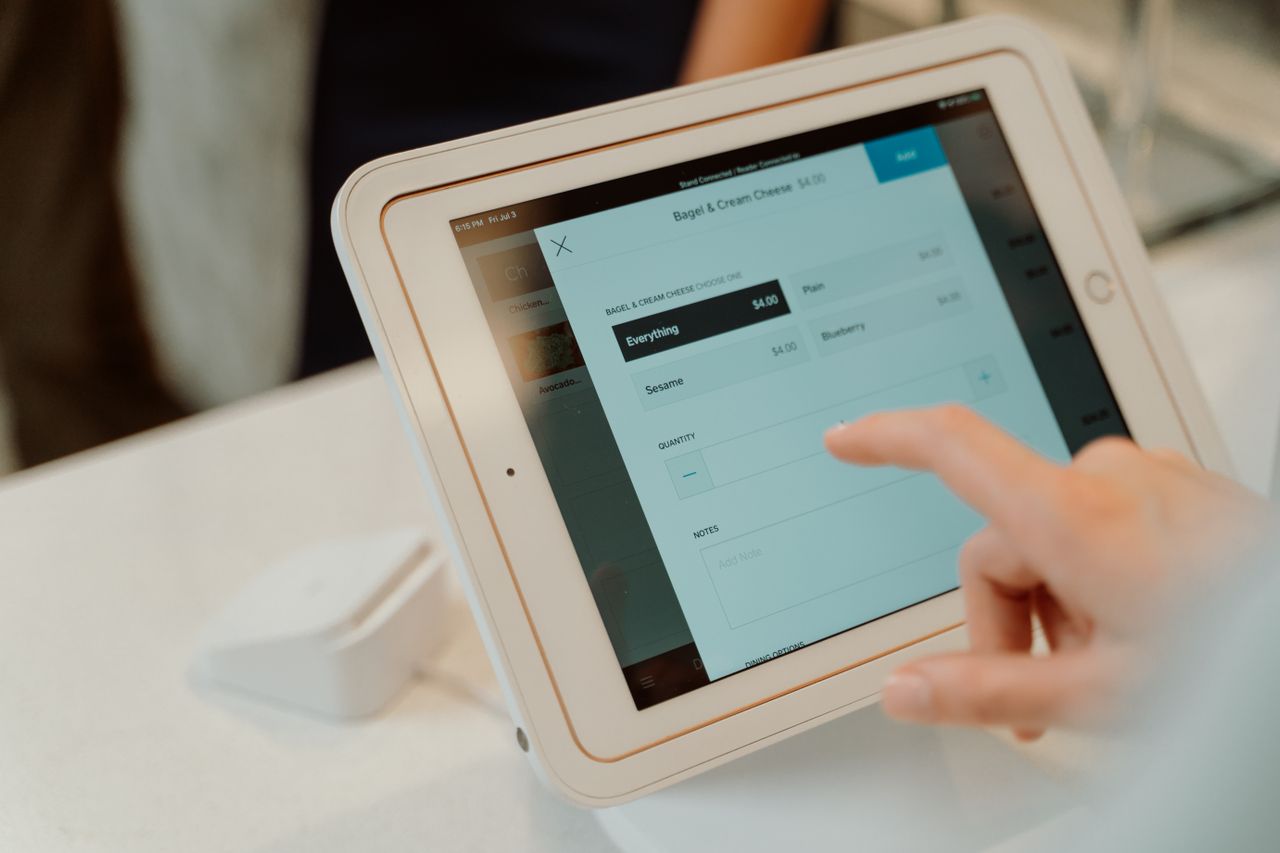
Casual dining operators face a unique challenge: managing both reservations and unpredictable walk-in traffic during peak hours. The right reservation and waitlist software can mean the difference between a smooth Friday night service and a chaotic lobby full of frustrated guests. If you are also evaluating tools for workforce management, pairing scheduling systems with your reservation platform creates a more unified front-of-house operation.
This guide breaks down 11 reservation and waitlist software products and one booking channel for casual dining restaurants, covering pricing, key features, and the use cases where each fits.
Key Takeaways
- Yelp Guest Manager can suit walk-in-heavy casual dining concepts that rely on Yelp for discovery traffic. Confirm the price, cover limits, kiosk inclusion, and any free-offer terms directly with Yelp.
- Toast Tables works with Toast POS and uses flat pricing with no cover fees. Plus is listed at $199/month for unlimited direct reservations and requires a qualifying Toast POS subscription at an additional cost.
- OpenTable reports serving more than 70,000 restaurants worldwide. Its network cover fees apply to each seated diner booked through the network: $1.50 on Basic after the initial 30-day waiver and $1 on Core and Pro.
- Lower-cost starting points include Waitlist Me Premium at 34.99/month(27.99/month billed annually, TablesReady's free plan for up to 100 parties a month, and Resos's free plan for 25 bookings a month.
- POS integration depth varies by vendor, POS version, data fields, sync direction, and plan. Toast Tables documents server-roster sync with Toast POS, and Hostme lists POS integration on its Grande plan.
Understanding Your Casual Dining Needs: Reservations vs. Waitlists
Before selecting a platform, operators need to understand whether their concept is reservation-heavy, walk-in-heavy, or a mix of both.
Reservation-first concepts include upscale casual restaurants, date-night destinations, and locations in competitive metro markets where diners plan ahead. These operators may benefit from platforms like OpenTable or Resy that emphasize booking and diner network reach.
Walk-in-heavy concepts include brewpubs, BBQ joints, brunch spots, and neighborhood restaurants where most covers arrive spontaneously. For these operators, waitlist-focused solutions like Yelp Guest Manager or Waitlist Me may fit better.
Most casual dining falls somewhere in between. In an illustrative scenario where a restaurant splits evenly between reservations and walk-ins, an integrated platform that handles both workflows from a single floor plan view can simplify the host stand.
Key operational factors to consider:
- Average table turn time during peak hours
- Walk-in percentage of total covers
- POS system currently in use
- Number of locations (single-unit vs. multi-unit)
- Discovery channels where guests find you (Google, Yelp, word-of-mouth)
Top Reservation Software for Casual Dining: Key Features and Comparisons
These platforms emphasize advance bookings, with waitlist and table management tools depending on the plan.
1. OpenTable
Best for: Reservation-heavy restaurants that want access to a large diner network
OpenTable reports serving more than 70,000 restaurants worldwide. Its terms describe wait estimates based on information the restaurant provides, so compare table management, waitlist, POS, and messaging features by plan.
Key Features
- Restaurant listing and discovery through OpenTable's diner marketplace
- Dining Rewards, OpenTable's diner program (qualifying reservations and geographic eligibility affect points)
- Waitlist, table management, and POS integration on Core and Pro
- Website reservations included on Core and Pro
Price
$149/month (Basic), $299/month (Core), or $499/month (Pro). Network cover fees apply to each seated diner booked through the network: $1.50 on Basic after the initial 30-day network-cover waiver, and $1 on Core and Pro. On Basic, website reservations cost $0.25 per cover or $49/month flat.
Strengths
- Large diner network for discovery
- Published plan pricing
- Website reservations included on Core and Pro
Limitations
- Network cover fees scale with seated volume
- Waitlist and table management require Core or Pro
- Basic charges for website reservations
At regular rates, a seated party of four booked through the network generates $6 in network fees on Basic or $4 on Core and Pro. For 2,000 seated network covers in a month, subscription plus network charges total $3,149 on Basic, $2,299 on Core, or $2,499 on Pro, before other fees.
2. Resy
Best for: Elevated casual and polished casual concepts focused on guest relationships
Owned by American Express since 2019, Resy now includes Tock venues in its diner experience following an August 2026 announcement. Operators can choose between distinct product configurations: Resy Platform and Platform 360, or Tock-powered Essential and Premium.
Key Features
- No per-cover fees on Platform and Platform 360
- Exclusive inventory for eligible Amex card members at participating venues
- Guest management, with customization and data use subject to the chosen product and merchant terms
- Guest tagging and preference tracking
Price
$289/month (Platform) or $459/month (Platform 360), with no per-cover fees. Tock-powered Essential and Premium list the same respective subscription rates, with 3% and 2% prepayment fees, plus standard payment processing.
Strengths
- Flat subscription pricing on Platform plans
- Guest tagging and preference tracking
- Product options for prepaid experiences
Limitations
- Prepayment fees apply on Essential and Premium
- Amex exclusive inventory is limited to eligible card members and participating venues
- Customization and data use depend on the product and merchant terms
Whether a flat rate beats per-cover pricing depends on your channel mix, seated covers, and prepayments rather than a fixed cover threshold.
3. Toast Tables
Best for: Restaurants already using Toast POS
Toast announced Toast Tables in 2023, including synced server rosters and guest profiles, to combine reservations, waitlist, and table management with Toast POS.
Key Features
- Flat monthly price with no cover fees
- Automatically synced server rosters
- Guest profiles alongside Toast POS data
- Reserve with Google support (Reserve a Table requires Online Reservations; Join Waitlist requires Online Waitlist)
Price
Confirm the base Tables rate with Toast. Tables includes 25 monthly reservations and an unlimited waitlist. Plus is listed at $199/month and includes unlimited direct reservations, with a qualifying Toast POS subscription required at an additional cost.
Strengths
- Native connection with Toast POS
- No cover fees
- Unlimited waitlist on the base product
Limitations
- Requires a Toast POS subscription
- Base product caps reservations at 25 per month
- Base Tables pricing should be confirmed with Toast
In a Toast survey about how guests find full-service restaurants, Google Maps ranked as the top discovery channel after personal recommendations, which is why Reserve with Google support can matter for Toast operators.
Leading Waitlist Apps for Casual Dining: Enhancing Walk-In Management
These platforms focus on walk-in queues, with reservation features varying by plan.
1. Yelp Guest Manager
Best for: Walk-in-heavy concepts with strong Yelp presence
Yelp Guest Manager combines waitlist, reservations, and table management. Yelp identifies Nowait as the predecessor of Yelp Waitlist, one component of the current product.
Key Features
- Guests join the waitlist directly from a Yelp listing
- Online reservations and waitlist
- Self-service kiosk check-in
- Table-ready notifications (confirm two-way SMS for your package)
Price
Confirm the monthly or annual price, cover limits, kiosk inclusion, and free-offer duration directly with Yelp.
Strengths
- Captures guests from Yelp listings
- Combines waitlist and reservations
- Kiosk check-in option
Limitations
- Current pricing must be confirmed with Yelp
- Two-way SMS should be confirmed for the selected package
- Value depends on how much traffic Yelp drives
Yelp reported in February 2020 that its waitlist product had helped diners save an estimated 13 billion minutes of waiting. For brewpubs and neighborhood restaurants where walk-ins dominate, joining from Yelp can capture diners who might not call ahead.
2. Waitlist Me
Best for: Walk-in-heavy concepts on a budget
Waitlist Me offers waitlist management with reservation features on paid plans. Its Free plan supports a basic waitlist and same-day reservations without notifications.
Key Features
- Reservation calendar, kiosk, online widget, and public waitlist on Premium
- Two-way texting and predicted waits on Pro
- Multiple devices can sync on one location subscription
- Self-check-in via web widget
Price
$34.99/month (Premium), $59.99/month (Pro), or $99.99/month (Platinum) month to month. Annual prepayment brings the monthly equivalents to $27.99, $47.99, and $79.99. U.S. price cards list 2¢ per text, so confirm messaging charges in your order. A location with a distinct waitlist needs its own subscription.
Strengths
- Published U.S. pricing with annual savings
- Free plan for basic waitlist use
- Multi-device syncing per location
Limitations
- Notifications aren't included on Free
- Two-way texting requires Pro
- Each location with its own waitlist needs a separate subscription
Waitlist Me can suit BBQ restaurants, brunch spots, and other walk-in-heavy concepts, with Premium adding reservations for operators who take some bookings.
3. TablesReady
Best for: Walk-in-heavy restaurants and multi-unit operators wanting published pricing
TablesReady provides two-way SMS that lets guests reply to update their ETA or cancel. The help center describes separate location accounts and waitlists, with authorized users switching between locations.
Key Features
- Two-way SMS and basic reservations on Starter
- Online bookings, table management, and messaging automations on Business
- Customizable service text templates
- API documented (verify access on your plan)
Price
Free plan for up to 100 parties and 150 SMS messages per month per location, with up to two free locations per account. Starter is from 39/month(34/month billed annually) and Business from 79/month(69/month billed annually) for 1,000 messages, with higher-volume configurations and Enterprise inquiries available. A 14-day paid-plan trial is documented.
Strengths
- Free plan for small operations
- Published, usage-based pricing
- 14-day trial of paid features
Limitations
- Multi-location use relies on switching between location accounts rather than a documented single live view
- Online bookings and table management require Business
- Promotional SMS campaigns aren't documented, and table-ready texts don't establish consent for marketing messages
TablesReady can suit operators who need more than a basic waitlist without a quote-based enterprise contract.
Seamless Integration: Connecting Your Reservation and Waitlist Systems
POS integration has become a critical factor in platform selection. A POS connection alone doesn't establish synchronized guest spend, server sections, or shared profiles, so confirm the vendor, POS version, data fields, sync direction, and plan for each workflow.
1. Hostme
Best for: Independent casual dining with diverse POS setups
Hostme offers reservations, waitlist, and table management, with current documentation identifying POS connections including Square, Lightspeed, and Poster, among others.
Key Features
- Configurable automatic guest calls
- Table holds and assignment rules
- Unlimited parties per month
- POS integration on Grande
Price
$109/month (Mezzo) or $169/month (Grande), with annual equivalents of $98 and $152 per month. Enterprise is custom, and Hostme invites groups with ten or more units to discuss it. Verify any POS integration charges and prerequisites in your quote.
Strengths
- Published U.S. pricing
- Unlimited parties per month
- Configurable waitlist rules
Limitations
- POS integration requires Grande
- Confirm compatibility with your specific POS installation
- Enterprise pricing requires a quote
For operators comparing broader options, our reservation systems guide covers additional platforms.
2. SevenRooms
Best for: Multi-unit restaurant groups needing CRM
Following its acquisition by DoorDash, completed in June 2025, SevenRooms provides CRM capabilities alongside reservations and waitlist.
Key Features
- Guest profiles, reservations, waitlist, and table management on Starter
- Basic marketing automation on Starter
- Email Marketing and WhatsApp/Text Marketing available as add-ons
- POS integration (confirm data fields for your system)
Price
Custom quote across Starter, Growth, and Premium options.
Strengths
- CRM combined with reservations
- Marketing automation options
- Multiple package tiers
Limitations
- Pricing isn't published
- Email and text marketing are add-ons on Starter
- Confirm group reporting, POS data fields, messaging allowances, and cross-location access in the proposal
SevenRooms can suit groups where guest marketing automation justifies a custom-quoted platform.
Cost-Benefit Analysis: Pricing and ROI for Casual Dining Operators
Understanding the true cost of reservation software requires looking beyond monthly fees. Per-cover charges, messaging fees, hardware requirements, and training time all factor into total cost of ownership.
1. Resos
Best for: Cost-conscious operators needing both reservations and waitlist
Resos offers a free booking system and paid plans with no cover fees. Waitlist requires an eligible paid plan.
Key Features
- Free plan with 25 bookings per month
- Waitlist and Reserve with Google as paid add-ons on Basic, Plus, and Unlimited
- All-Access plan includes add-ons
- No cover fees
Price
Free supports 25 monthly bookings. Confirm USD subscription and add-on rates in checkout, since the official pricing page displays euro prices.
Strengths
- Free plan for low booking volume
- No cover fees
- Add-ons let operators pay only for needed features
Limitations
- Waitlist requires a paid plan and add-on (or All-Access)
- Free plan includes no add-ons
- USD pricing must be confirmed at checkout
For operators comparing costs, our waitlist management apps guide covers more queue-focused options.
2. Eat App
Best for: International operators or tourist-heavy U.S. markets
Eat App reports restaurants in 90+ countries. Its WhatsApp messaging can address communication preferences for guests who don't rely on SMS.
Key Features
- QR code waitlist for scan-to-join check-in (confirm availability on your plan)
- Guest records, with marketing and group databases varying by plan
- WhatsApp messaging allowances on paid plans
- No cap on bookings or covers on paid plans
Price
Free plan for 100 guests monthly, then Lite $99/month, Core $199/month, and Pro $389/month on monthly billing. Billed yearly, these are equivalent to $69, $159, and $299 per month. Pro includes 1,500 WhatsApp messages, with lower allowances on Lite and Core.
Strengths
- Free plan for small venues
- Published pricing with annual discounts
- WhatsApp messaging included on paid plans
Limitations
- Free plan is limited to 100 guests a month
- WhatsApp allowances vary by plan
- Shared group databases are a Pro feature
Restaurants serving international guests can weigh whether WhatsApp messaging fits their guests' communication preferences.
Optimizing Guest Experience with Modern Reservation and Waitlist Tools
The right platform does more than manage tables. It creates opportunities for personalization, feedback collection, and repeat visit conversion.
1. Waitwhile
Best for: Walk-in concepts in multi-use developments (malls, food halls)
Waitwhile supports remote queues, allowing guests to join your waitlist from anywhere, not just on-site, and reports a dropoff rate in its analytics.
Key Features
- Remote queue joining
- Queue analytics, including dropoff rate
- Integrations with Square POS, Slack, and Mailchimp through native or Zapier routes
- Native Salesforce integration on Enterprise
Price
Free for one location and 50 visits a month. Starter is from $31/month and Business from $55/month, with pricing varying by visits, locations, and annual or monthly billing. The first Starter tier covers one location and 250 monthly visits across the account, and SMS credits are separate.
Strengths
- Remote waitlist for guests who leave the premises
- Free plan for low-volume use
- Multiple integration routes
Limitations
- Native Salesforce access requires Enterprise
- A current Toast POS connector wasn't established
- SMS credits cost extra
Confirm the connector type, plan, and data direction for each integration before relying on Waitwhile data in other systems.
Data-Driven Decisions: Analytics and Reporting from Your Apps
Modern reservation platforms provide operational insights that help optimize staffing, table configurations, and marketing efforts.
1. Reserve with Google (via Integration Partners)
Best for: Capturing Google Search and Maps traffic
Reserve with Google is not standalone software but a booking channel on Search and Maps. When guests search for restaurants on Google, they can book or join a waitlist through an eligible provider without visiting a third-party app.
Key Features
- Booking from Google Search and Maps
- Restaurant waitlist through eligible third-party providers
- No separate app download for guests
Price
Availability and charges depend on the provider, plan, and restaurant profile. Google notes that the booking provider may charge.
Strengths
- Captures mobile searchers making decisions on the go
- Works through software you may already use
- Low friction for guests
Limitations
- Requires an eligible provider
- Provider plans may charge for the Google connection (Resos lists it as an add-on)
- Prerequisites vary, such as Toast's online reservation and waitlist settings or Eat App's verified Google Business Profile requirement
Since a Toast survey ranked Google Maps as the top discovery channel for full-service restaurants after personal recommendations, Google booking can matter for casual dining concepts that depend on local search traffic.
Choosing the Right Fit: A Buyer's Guide for Casual Dining Operators
Selecting the right platform requires matching your operational reality to each software's strengths. The traffic splits below are illustrative scenarios; base your choice on your existing POS, the share of seated covers each channel generates, your messaging needs, and your location count.
For walk-in-heavy concepts (for example, 70%+ walk-ins):
- Yelp Guest Manager if you have strong Yelp presence
- Waitlist Me or TablesReady for published, lower-cost plans
- Waitwhile for remote queues in malls or food halls
For reservation-heavy concepts (for example, 70%+ reservations):
- OpenTable for diner network discovery
- Resy for flat-rate Platform plans
- SevenRooms for multi-unit groups needing CRM
For mixed traffic concepts (for example, a 50/50 split):
- Toast Tables if already on Toast POS
- Hostme for flat pricing with POS integration on Grande
- Resos for a free starting plan with paid waitlist add-ons
When evaluating vendors, assess implementation time, training requirements, contract terms, and support availability before committing. The same evaluation principles in our restaurant training platforms guide apply here.
The Bottom Line
The right platform depends on how your guests arrive and what you already run. Reservation-heavy concepts can compare OpenTable's network against Resy's flat-rate plans, walk-in-heavy concepts can look at Yelp Guest Manager, Waitlist Me, TablesReady, or Waitwhile, and mixed-traffic restaurants can weigh Toast Tables, Hostme, Resos, or Eat App based on their POS and budget.
Before you buy, calculate costs using your actual seated covers by channel, confirm messaging charges and billing commitments, and verify POS integration details for your specific system. For more options, see our reservation systems guide.
Frequently Asked Questions
What is the primary difference between a reservation app and a waitlist app for casual dining?
Reservation apps manage advance bookings, allowing guests to secure tables before arriving. Waitlist apps handle on-demand queue management for walk-ins. Many platforms now offer both: Waitlist Me's Free plan supports a basic waitlist and same-day reservations, and its Premium plan adds a reservation calendar, while Resy emphasizes advance reservations. For casual dining with mixed traffic, integrated platforms like Toast Tables or Hostme handle both workflows from a single interface.
Can reservation and waitlist apps integrate with my existing POS system?
Yes, though integration depth varies significantly. Toast Tables connects with Toast POS, including server-roster sync. Hostme documents connections with POS systems including Square, Lightspeed, and Poster, and lists POS integration on its Grande plan. Before selecting software, verify compatibility with your specific POS version, the data fields that sync, the sync direction, and the plan required.
How do these apps help reduce no-shows and improve table turnover?
Platforms use several distinct features: SMS reminders before reservation time, two-way texting that lets guests confirm or cancel, waitlist notifications, deposits, and credit card holds for high-demand periods. Whether a canceled booking gets filled depends on configuration, table availability, and guest acceptance, so track your own no-show rate before and after implementation.
What are the typical costs associated with implementing a reservation or waitlist system?
Costs vary by billing unit. Free plans include Resos (25 bookings a month), Eat App (100 guests a month), TablesReady (100 parties and 150 SMS messages a month), Waitwhile (50 visits a month), and Waitlist Me (basic waitlist without notifications). Published paid examples include Waitlist Me Premium at $34.99/month, Hostme Mezzo at $109/month, Resy Platform at $289/month, and OpenTable Basic at $149/month plus network cover fees per seated diner. SevenRooms requires a custom quote. Check billing commitments, included volumes, texting charges, and any required POS subscription, and budget for hardware and training time.
Are there specific features I should look for in an app tailored for multi-location casual dining?
Multi-unit operators should prioritize location-level reporting, standardized guest profiles across locations, cross-location access, and enterprise support tiers. Confirm how each platform handles multiple locations, since some use separate location accounts that authorized users switch between. Toast Tables works well for groups standardized on Toast POS, while SevenRooms and Hostme offer quote-based options for larger groups. When evaluating options, consider scalability, training requirements, and vendor support quality.
Join multi-unit operators getting practical guides and no-nonsense software breakdowns across hiring, onboarding, scheduling, payroll, compliance, and what's shifting in the industry.
Free. One email a week. Unsubscribe anytime.