
Operator's Daily is where multi-unit restaurant and hourly-workforce operators get smart, fast — practical guides and no-nonsense software comparisons across hiring, onboarding, scheduling, payroll, and compliance.

Popular articles
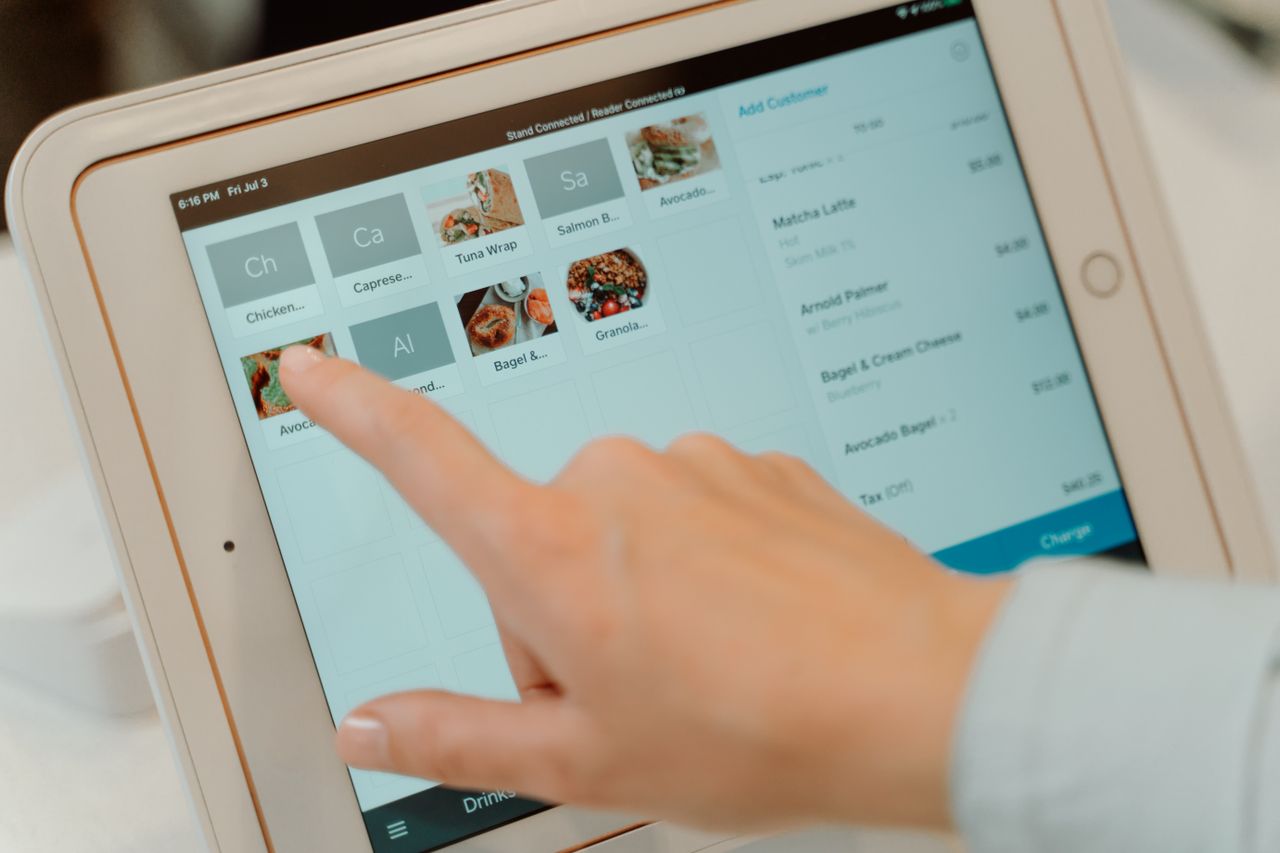
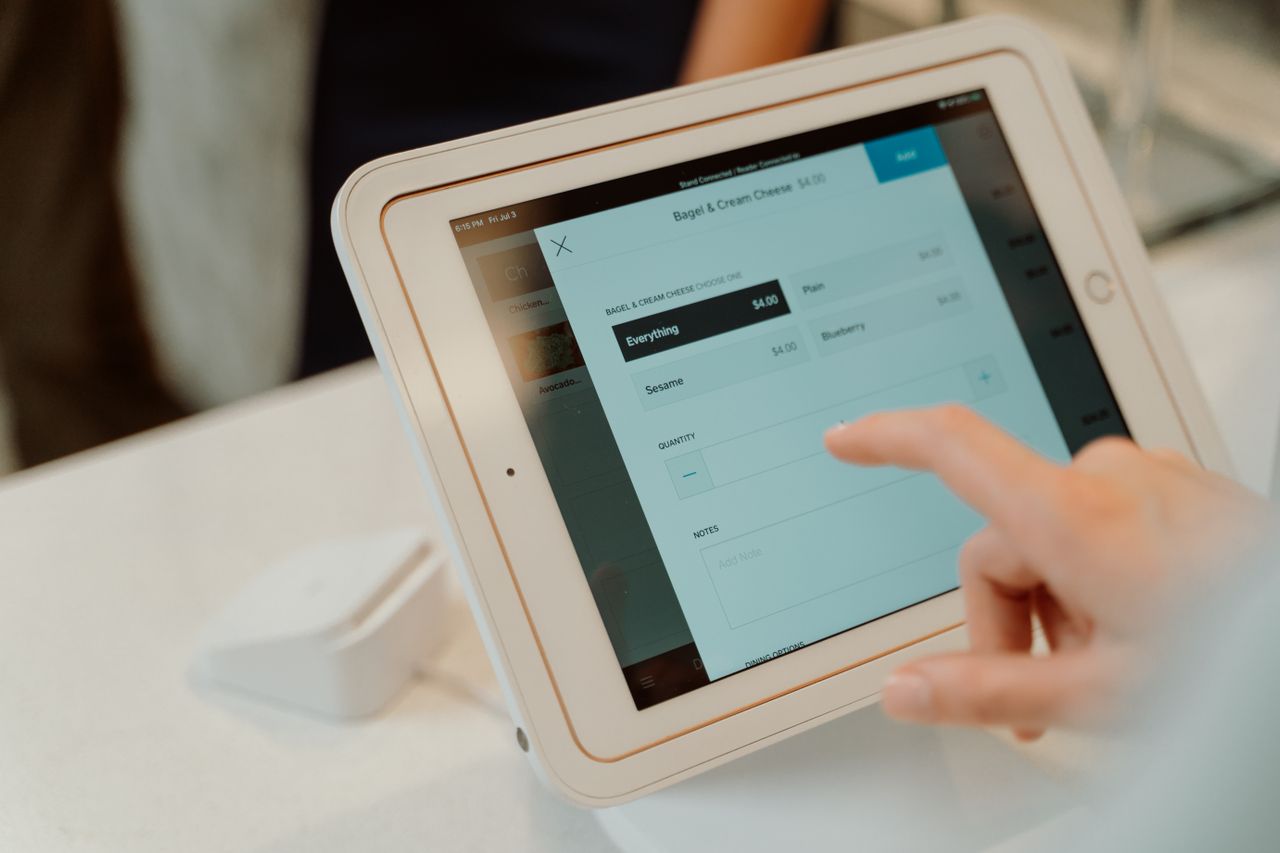
Running a multi-unit restaurant operation without reliable analytics is like cooking without tasting. You might get lucky, but you are more likely to leave money on the table. For operators managing hourly teams across multiple locations, the challenge intensifies when sales data lives in one system, labor schedules in another, and inventory counts in a spreadsheet. If you are building a tech stack that includes restaurant scheduling software, adding robust analytics is the next logical step.
This guide breaks down the best restaurant analytics and reporting tools available in 2026, organized by category and evaluated on integration depth, multi-location support, pricing accessibility, and relevance to hourly-workforce operators.
Key Takeaways
- Analytics tools fall into distinct categories: POS-integrated reporting, dedicated cross-platform analytics, food cost specialists, and labor/workforce analytics.
- Multi-unit operators benefit most from platforms that consolidate data across scattered tech stacks rather than single-system reporting.
- Pricing transparency varies. Some vendors publish rates or free plans, while others, such as Restaurant365, HotSchedules, and Apicbase, require custom quotes.
- POS base prices, hardware, payment processing, and add-on modules are often billed separately, so confirm the total configured cost with each vendor.
Understanding the Role of Restaurant Analytics in Modern Operations
Restaurant analytics software transforms raw transaction data into actionable insights. Instead of waiting until month-end to discover food costs spiked or labor ran over budget, operators can track performance metrics in real time and make adjustments before small problems become expensive ones.
The business case is straightforward. Labor is typically one of a restaurant's highest operating costs. Along with food costs, these controllable costs determine whether a location is profitable or bleeding money. Analytics tools surface variances, enabling operators to respond quickly rather than reactively.
For multi-unit operators, the value multiplies. Centralized dashboards reveal which locations are outperforming and why, making it possible to replicate success and address underperformance systematically.
Key Features of Top Restaurant POS Systems for Reporting
POS-native analytics offer the lowest friction path to reporting. When your point-of-sale system includes built-in analytics, data flows automatically without integration headaches. The tradeoff is that you only see data from that single system.
Advanced Sales Tracking and Analysis
The best POS systems track sales by daypart, menu category, server, and payment type. This granularity helps operators identify top-performing items, spot declining menu trends, and optimize pricing strategies.
Labor Management and Scheduling Integration
POS systems that integrate with scheduling tools can calculate sales-to-labor ratios in real time and alert managers when staffing levels don't match traffic patterns. This is especially valuable because Deloitte reported 135% hourly employee turnover at limited-service restaurants in Q3 2024.
13 Best Restaurant Analytics and Reporting Tools
We evaluated leading restaurant analytics platforms based on integration depth, multi-location support, pricing accessibility, and relevance to hourly-workforce operators. Here are the top options for restaurant operators.
1. Tenzo
Best for: Multi-unit operators consolidating data from 3+ systems
Tenzo is a source-agnostic analytics platform that integrates with 90+ systems, including POS, labor, inventory, reviews, and reservations. For operators with scattered tech stacks, this consolidation eliminates manual reporting and surfaces insights that would otherwise require pulling data from multiple dashboards.
In a Tenzo-published customer case study, Generator Hostels reports spending 75% less time on reporting after implementation. The platform supports a broad range of POS and restaurant technology integrations, making it a fit for groups that have grown through acquisition and inherited multiple systems.
Key Features:
- AI-powered sales forecasting using weather, events, and historical data
- Automated report delivery to mobile and email
- Customizable dashboards by role (GM, regional manager, executive)
Price: Starts at $75/month; Tenzo says customers average $175-$250 per location per month depending on modules and locations.
Strengths:
- Supports a broad range of POS and tech-stack integrations
- Mobile-first design for on-shift access
- Strong AI forecasting capabilities
Limitations:
- Final pricing depends on modules and location count
- Requires existing systems to integrate
2. Toast Analytics
Best for: Single-platform operators wanting built-in reporting
Toast says its platform serves approximately 180,000 locations as of June 30, 2026. Its built-in analytics provide real-time sales, labor, and menu performance reporting without requiring a separate tool. For operators already on Toast, this is the path of least resistance.
Key Features:
- Real-time sales and labor cost tracking
- Multi-location dashboards with drill-down capability
- Toast IQ AI assistant for automated insights across sales, labor, menu, guest, and operations data
Price: Starter Kit from $0/month; core Point of Sale starts at $69/month, with hardware, processing, and add-ons potentially adding cost.
Strengths:
- Zero integration friction
- Free tier available (Starter Kit)
- Broad ecosystem of restaurant-specific products and integrations
Limitations:
- Only reports on Toast data
- Hardware costs add up for new deployments
- Advanced features require higher tiers
3. Restaurant365
Best for: Multi-unit groups needing accounting-grade financial reporting
Restaurant365 combines accounting, inventory, scheduling, and analytics in one platform. Unlike standalone analytics tools, R365 ties operational metrics directly to the general ledger, giving CFOs and finance teams the reporting they need while providing GMs with actionable dashboards.
Portillo's, Walk-On's Sports Bistreaux, and Newk's Eatery use Restaurant365. Exact feature availability varies by package, and Restaurant365 also lists standalone modules such as Inventory and Scheduling.
Key Features:
- Financial P&L reporting combined with operational data
- Automated invoice processing and AP integration
- Budget vs. actual comparisons across locations
Price: Custom quote; Restaurant365 has recently listed Essential at approximately $469-$499/location/month, with higher-tier packages costing more.
Strengths:
- Accounting and operations in a single platform
- Enterprise-proven at scale
- Comprehensive back-office automation
Limitations:
- Feature availability varies by package
- Broader scope requires more implementation time
- Higher price point than point solutions
4. 7shifts
Best for: Hourly-workforce operators focused on labor cost control
Labor is one of the highest controllable costs in restaurants, and 7shifts focuses on this area. The platform provides labor cost tracking, sales-to-labor ratio reporting, and scheduling optimization designed specifically for shift-based teams.
Bareburger, Modern Market, and Sauce Pizza & Wine use 7shifts. The free Comp plan makes it accessible for single locations, while paid plans add features that multi-unit operators need.
Key Features:
- Labor cost tracking with real-time dashboards
- Overtime alerts and compliance monitoring
- Drag-and-drop schedule builder
Price: Free plan available; paid plans start at $39.99/location/month billed annually ($44.99 billed monthly), with higher tiers costing more.
Strengths:
- Free Comp plan available
- Restaurant-specific labor analytics
- Wide POS integration support
Limitations:
- Free Comp plan supports one location and up to 15 employees
- No food cost or inventory analytics
- Advanced features require paid tiers
- Less suited for non-restaurant hospitality
5. MarginEdge
Best for: Operators prioritizing food cost visibility
MarginEdge specializes in food cost analytics, providing daily visibility into costs rather than waiting for month-end close. The platform automates invoice processing from photos, email, uploads, or EDI, then calculates real-time food cost percentages. It also offers labor summaries and a daily controllable P&L that includes labor.
MarginEdge supports more than 50 POS and related systems and uses transparent flat pricing.
Key Features:
- Automated invoice processing
- Real-time food cost tracking updated daily
- Recipe and menu costing with margin analysis
- Labor summaries and daily controllable P&L reporting
Price: $350/location/month (flat rate); $500/location/month when bundled with Freepour, with a 10% discount for annual payment.
Strengths:
- Daily food cost updates
- Published flat per-location pricing
- Strong invoice automation
Limitations:
- Requires consistent invoice submission
6. Lightspeed Restaurant
Best for: International operators or retail-restaurant hybrids
Lightspeed says approximately 146,000 locations worldwide use its platform across restaurant and retail. Its cloud POS includes multi-location reporting with centralized management, making it a strong choice for groups operating internationally or running hybrid concepts.
Lightspeed lists multi-location management and its Pulse performance app among its current capabilities. Advanced Inventory, which supports recipe cost and margin analysis, appears in Lightspeed's plan comparison and can also be added to plans.
Key Features:
- Cloud-based POS with integrated sales analytics
- Multi-location reporting with centralized dashboards
- Recipe cost and margin analysis through Advanced Inventory
Price: $69-$399/month for published plans; Enterprise uses custom pricing.
Strengths:
- Strong international presence
- Works for restaurant-retail hybrids
- Scales well across location counts
Limitations:
- Advanced Inventory may require an add-on, depending on plan
- Enterprise pricing requires a custom quote
- Third-party data visibility depends on configured integrations
7. HotSchedules (Fourth)
Best for: Multi-unit groups needing AI-powered labor forecasting
HotSchedules, now part of the Fourth platform, offers AI-powered demand-based labor forecasting for multi-unit and franchise groups. Fourth describes its forecasting as AI-driven, based on historical POS data, and able to incorporate local weather and events.
Key Features:
- AI-powered demand forecasting
- Automated scheduling based on demand forecasts, employee availability, skills, configured labor rules, and applicable labor constraints
- Multi-location workforce performance analytics
HotSchedules includes a shift marketplace for employee engagement and integrates with broader Fourth operations tools. Fourth says its workforce tools can serve operators running five locations or five hundred.
Price: Custom pricing based on locations and modules
Strengths:
- AI forecasting using POS, weather, and event data
- Enterprise-scale support
- Part of comprehensive operations suite
Limitations:
- No published pricing
- Overkill for small operators
8. Avero
Best for: Full-service restaurants focused on server accountability
Avero provides server-level analytics, including individual server scorecards. The platform tracks sales by time period, item, category, server, and other operational dimensions, then generates scorecards that benchmark individual performance. This granularity helps operators identify coaching opportunities and reward top performers.
Avero has specialized in full-service and hotel F&B operations since 2004. The platform excels at table turn optimization and server accountability but is narrower than general BI tools.
Key Features:
- Server scorecards and performance benchmarking
- Promotion and discount impact tracking
- Detailed sales reporting by time period, item/category, server, and other operational dimensions
Price: Starter plan is free; Essentials starts at $300/location/year and Professional starts at $600/location/year, with paid pricing increasing based on annual sales volume.
Strengths:
- Individual server scorecards
- Full-service restaurant specialization
- Proven in hotel F&B segment
Limitations:
- Narrower than cross-platform analytics
- Less suited for QSR
- Paid pricing scales with annual sales volume
9. MarketMan
Best for: Operators wanting laser focus on inventory and waste
MarketMan provides real-time inventory and variance reporting with recipe and menu cost analytics. The platform tracks waste systematically and analyzes supplier pricing trends, helping operators tighten margins before problems compound.
The platform complements POS analytics by adding dedicated inventory depth, including actual-vs-theoretical reporting.
Key Features:
- Real-time inventory and variance reporting
- Waste tracking dashboards
- Purchase and vendor spend analysis
Price: Starter at $249/month, Growth at $299/month, and Enterprise from $449/month.
Strengths:
- Strong waste visibility
- Vendor spend tracking
- Recipe-level margin analysis
Limitations:
- No labor analytics
- Mid-range pricing for category
- Requires consistent inventory counts
10. Apicbase
Best for: Multi-outlet groups with standardized menus
Apicbase provides advanced recipe and ingredient costing designed for multi-location operators running standardized menus. The platform manages allergen and nutritional information at the ingredient and recipe level, making it valuable for compliance-heavy operations.
Apicbase originated in Europe and continues growing its North American presence. The platform works best for franchises and chains needing consistent menu engineering across sites.
Key Features:
- Deep recipe-level profitability analysis
- Allergen and nutrition compliance tracking
- Multi-location cost standardization
Price: Custom quote; Growth plan starts from 5 outlets.
Strengths:
- Recipe standardization across outlets
- Built-in allergen compliance
- Multi-outlet focus
Limitations:
- Growth plan starts from 5 outlets
- Custom pricing only
- Some capabilities, such as HACCP & Tasks, production planning, and API access, are add-ons
11. Lineup.ai
Best for: Operators adding predictive forecasting to existing tools
Lineup.ai offers AI sales forecasts that refresh continuously, providing item-level predictions for prep and ordering. Unlike retrospective reporting tools, Lineup focuses on forecasting what happens tomorrow rather than explaining what happened yesterday.
Lineup uses unlimited-user pricing and publishes rates transparently. Its forecasts draw on historical sales data combined with demand-intelligence data.
Key Features:
- AI sales forecasts refreshed continuously
- Item-level forecasting for prep planning
- Real-time forecast dashboard with labor budgets
Price: $79/location/month (forecasting) or $149/location/month (forecasting plus scheduling), with a 10% discount for annual commitment.
Strengths:
- Transparent published pricing
- Unlimited users per location
- Predictive rather than descriptive
Limitations:
- Complements rather than replaces reporting
- Narrower than full analytics suites
12. TouchBistro
Best for: Independent full-service restaurants on iPad
TouchBistro built its POS natively for iPad from inception, and its Reporting & Analytics features come included with the POS subscription. The platform provides 50+ reports that update in real time, including sales reporting by time period, menu item, and staff, plus menu mix and item popularity analysis.
TouchBistro holds strong adoption in Canadian and independent restaurant segments. For operators not needing enterprise features, it offers cost-effective analytics without separate tool costs.
Key Features:
- Real-time sales reporting
- Menu mix and item popularity analysis
- Cloud-based dashboard for remote access
Price: POS starts at $69/month, with Reporting & Analytics included; Essentials Bundle starts at $119/month.
Strengths:
- Reporting included in POS
- iPad-native design
- Lower cost for independents
Limitations:
- TouchBistro-only data
- Hardware, payment processing, and additional fees can apply
13. SafetyCulture (iAuditor)
Best for: Operations-focused analytics on task completion and compliance
SafetyCulture measures what most analytics platforms miss: operational execution. The platform tracks digital checklists and inspections for health, safety, hygiene, and equipment, then surfaces analytics on audit results and compliance trends.
The platform complements financial analytics by measuring whether operational standards are being followed. Advanced analytics are available on the Premium plan.
Key Features:
- Digital checklists and inspection tracking
- Real-time analytics on audit results
- Compliance trend dashboards
Price: Free plan available for up to 10 seats; Premium is $24/seat/month; Enterprise uses custom pricing.
Strengths:
- Unique operational execution focus
- Critical for compliance-heavy operations
- Scales across industries
Limitations:
- Not for financial analytics
- Requires checklist adoption
- Industry-agnostic (less restaurant-specific)
Choosing the Best Restaurant Software for Multi-Unit Operators
Multi-location operators face distinct challenges that single-unit tools do not address. Centralized reporting must aggregate location data while preserving drill-down capability. Franchise groups need standardized dashboards that regional managers and franchisees can both access.
When evaluating platforms, consider:
- Integration breadth: Does the tool connect with your existing POS, labor, and inventory systems?
- Multi-location dashboards: Can you compare locations, identify outliers, and drill into specifics?
- Scalability: Will pricing and features work at 5 locations? 50? 500?
- Implementation timeline: How quickly can you deploy across your portfolio? Request a written implementation plan from each vendor.
For operators also evaluating hiring and onboarding tools, restaurant onboarding software resources can help cover platforms that contribute employee data to broader analytics.
The Bottom Line
The right analytics tool depends on where your data lives and which costs you most need to control. Operators running on a single POS may find built-in reporting from Toast, Lightspeed, or TouchBistro sufficient, while groups managing several systems can look at cross-platform tools like Tenzo. Restaurant365 fits groups that want accounting and operations in one platform; 7shifts, HotSchedules, and Lineup.ai focus on labor and forecasting; MarginEdge, MarketMan, and Apicbase focus on food cost, inventory, and recipes; Avero covers server-level performance; and SafetyCulture tracks operational execution.
Before committing, list the systems each tool needs to connect with, request demos using your own data, and get a written quote that covers per-location fees, add-on modules, and implementation support. For more restaurant technology comparisons, visit Operators Daily.
Frequently Asked Questions
What is the difference between POS reporting and dedicated BI tools for restaurants?
POS reporting shows data from your point-of-sale system only, including sales, transactions, and payment types. Dedicated BI tools consolidate data from multiple sources, such as POS, labor, inventory, and reviews, into unified dashboards. Operators using scattered tech stacks typically need dedicated analytics, while single-platform operators may find POS-native reporting sufficient.
How can free restaurant analytics tools still provide value for small businesses?
Free tiers from platforms like 7shifts and Toast provide basic labor and sales reporting that beats manual spreadsheets. These tools establish data discipline and demonstrate ROI before committing to paid features. The limitations typically involve user counts, location limits, or advanced features like forecasting.
What are the critical reporting features to look for in a multi-unit restaurant POS system?
Multi-unit operators should prioritize consolidated reporting across locations, role-based dashboard access, real-time data updates, and drill-down capability from aggregate to location-level views. Integration with labor and inventory systems multiplies the value by connecting sales to controllable costs.
How can restaurant onboarding software contribute to better operational reporting?
Onboarding platforms capture employee data, track training completion, and measure time-to-productivity. This data feeds into labor analytics, helping operators understand turnover patterns and identify whether training gaps correlate with performance issues.
What role does data compliance play in choosing restaurant analytics tools?
Data compliance affects how employee information, payment data, and customer details are stored and transmitted. Platforms should offer role-based access controls, data encryption, and compliance with relevant regulations. Multi-unit operators with locations across jurisdictions face additional complexity that enterprise platforms are better equipped to handle.
Join multi-unit operators getting practical guides and no-nonsense software breakdowns across hiring, onboarding, scheduling, payroll, compliance, and what's shifting in the industry.
Free. One email a week. Unsubscribe anytime.
%20Base%20Rate%2C%20Tipped%20Wage%20%26%20Tip%20Credit.jpg)
%20Base%20Rate%2C%20Tipped%20Wage%20%26%20Tip%20Credit.jpg)
%20Base%20Rate%2C%20Tipped%20Wage%20%26%20Tip%20Credit.jpg)