Restaurant Customer Service Best Practices

Operator's Daily is where multi-unit restaurant and hourly-workforce operators get smart, fast — practical guides and no-nonsense software comparisons across hiring, onboarding, scheduling, payroll, and compliance.

Popular articles

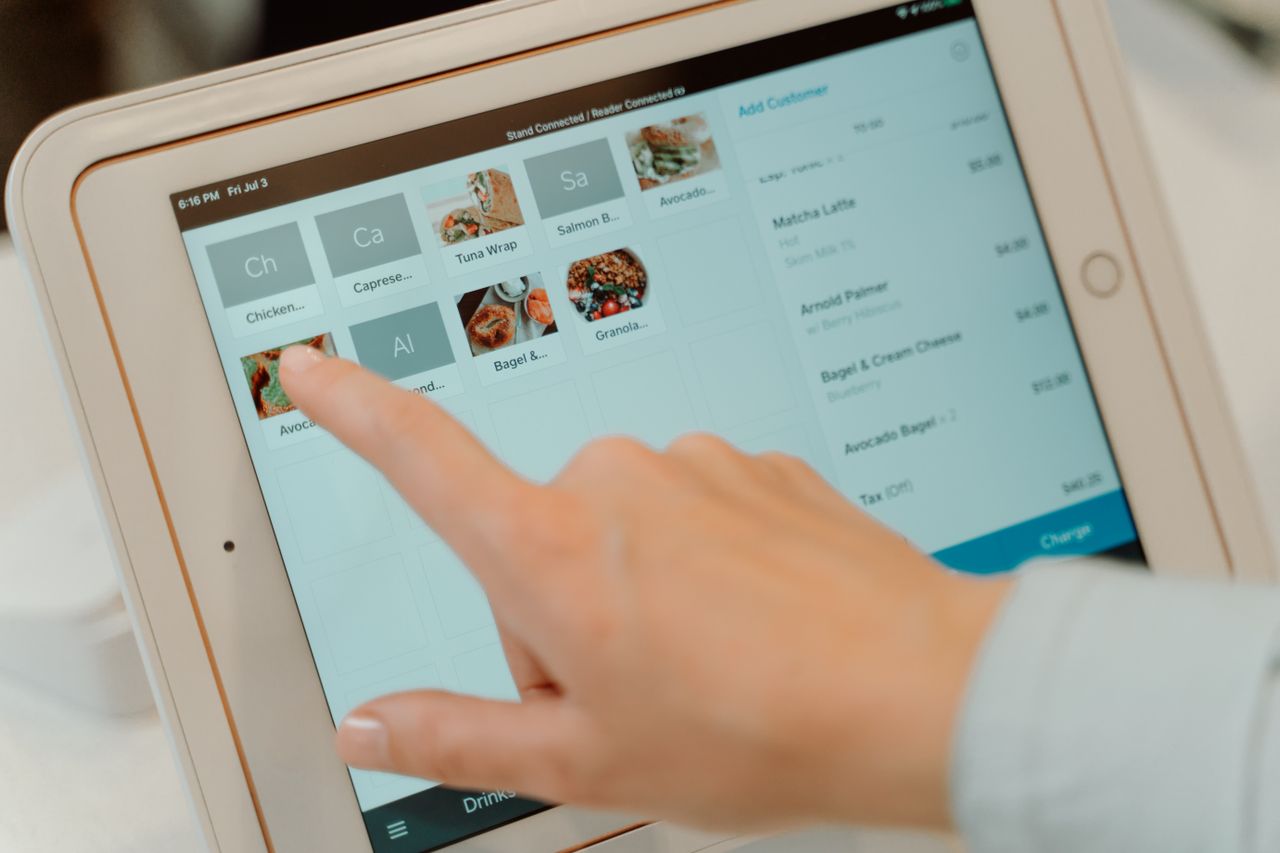
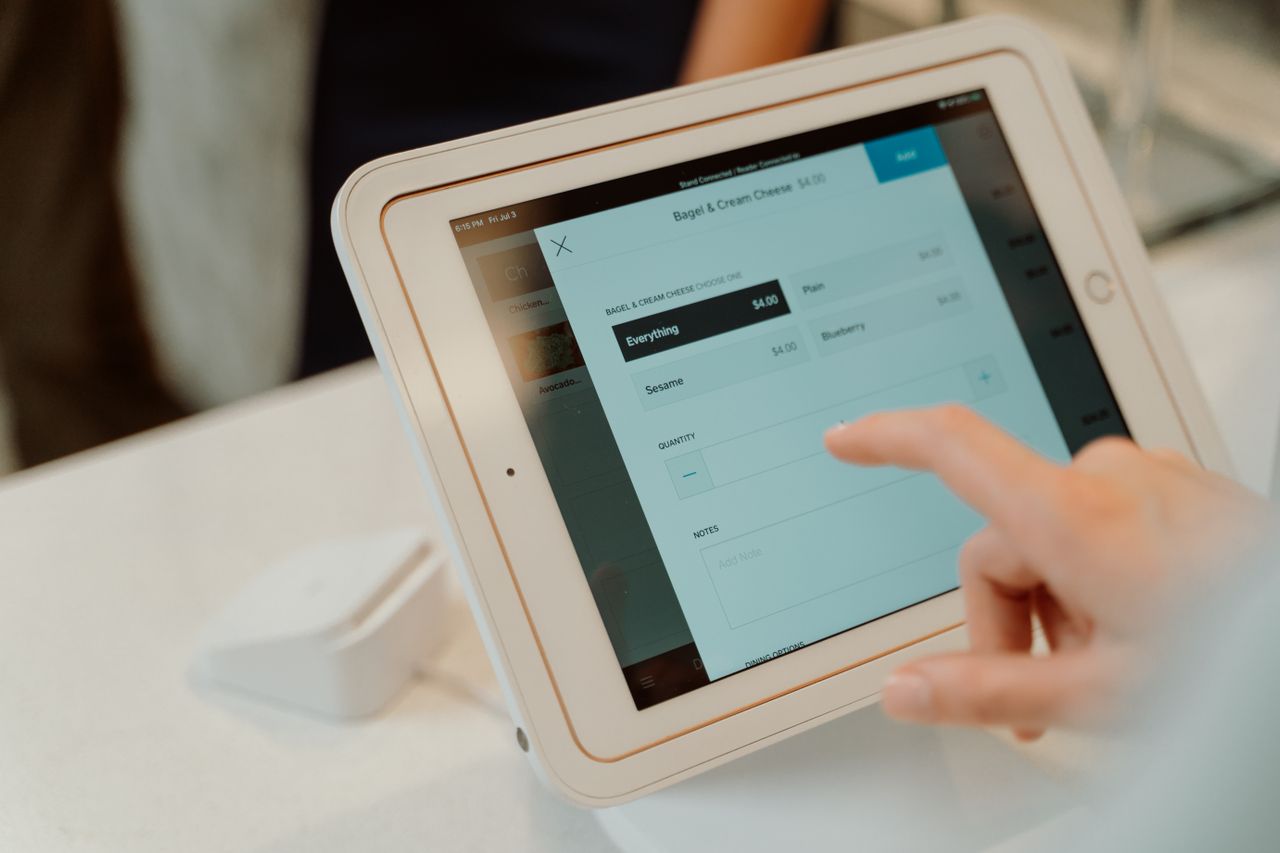
Customer service in restaurants is no longer about hiring friendly people and hoping for the best. For multi-unit operators managing hourly workforces, service standards must be systematic, measurable, and scalable across locations. A PwC customer-experience study found that 32% of respondents would stop doing business with a brand they loved after one bad experience, although the research was not limited to restaurants.
For restaurant operators, structured training, clear complaint protocols, appropriate staffing, and consistent feedback systems can help reduce service variation. This guide explains how to build those practices across single-location and multi-unit operations.
Key Takeaways
- Service quality can affect restaurant revenue: A Harvard Business School study found that a one-star Yelp rating increase was associated with a 5% to 9% revenue increase for independent restaurants in its dataset. The study did not find the same effect for chain-affiliated restaurants.
- Structured onboarding supports consistency: Training should use defined competencies, supervised practice, role-playing, and regular reinforcement rather than relying on a brief orientation.
- Complaint handling can preserve trust: Listening, acknowledging the concern, resolving the immediate problem, and following up can reduce the chance of losing a guest.
- Silent dissatisfaction is a significant risk: Guests do not always raise concerns directly, so post-dining surveys and review monitoring can reveal problems that managers might otherwise miss.
- Technology should support human service: Digital ordering, reservation, kitchen, and scheduling tools can improve operations, but operators should account for usability, accessibility, and guest preferences.
Elevating Restaurant Customer Service: A Foundation for Multi-Unit Success
Defining Your Customer Service Philosophy
Before training a single employee, multi-unit operators need a clear service philosophy that can be communicated consistently across locations. This philosophy should answer fundamental questions: What does exceptional service look like at your restaurants? How do you want guests to feel when they leave?
Strong service can influence guest spending, repeat visits, and recommendations. The practical goal is to define service behaviors that employees and managers can consistently apply.
Setting and Communicating Service Standards Across Locations
Consistency is the hallmark of successful multi-unit operations. Your service standards should include:
- Greeting protocols: Define when and how guests should be acknowledged.
- Response-time expectations: Set realistic benchmarks for drink orders, food delivery, and check presentation.
- Problem-resolution authority: Specify what frontline staff can do without manager approval.
- Communication standards: Establish how staff should communicate with guests about wait times, specials, and modifications.
These standards become the foundation for training, performance reviews, and location benchmarking. Without documented standards, service quality can become dependent on individual manager preferences rather than brand consistency.
Key Customer Service Tips for Hourly Teams in a Restaurant Setting
Training Staff on Proactive Guest Engagement
Front-of-house staff are the face of your brand. Proactive service means anticipating guest needs, refilling drinks when appropriate, checking on tables at useful moments, and noticing signs that a guest may need assistance.
Key skills to develop in hourly teams include:
- Active listening: Training staff to understand what guests are asking rather than taking orders mechanically.
- Menu knowledge: Ensuring team members can answer ingredient questions, make appropriate recommendations, and follow procedures for dietary restrictions and allergen concerns.
- Suggestive selling with value: Teaching servers to recommend items that genuinely complement the dining experience.
- Table management: Helping staff balance attentiveness with giving guests appropriate space.
For multi-unit operators, onboarding software can help standardize training content across locations. Operators should still evaluate whether the software supports their roles, languages, reporting needs, integrations, and mobile-access requirements.
Handling Common Customer Service Challenges Gracefully
Every restaurant faces service challenges. The difference between good and poor service recovery is often how quickly and consistently the team responds. One practical approach follows a five-step protocol:
- Listen: Let the guest explain the concern without unnecessary interruption.
- Acknowledge: Show that you understand the specific problem.
- Apologize: Offer a genuine and appropriate apology.
- Resolve: Take action within the employee’s authorized limits.
- Follow up: Confirm that the proposed resolution addressed the concern.
Effective complaint resolution can help preserve trust and reduce the risk of losing the guest. It should not be treated as a guaranteed way to make customers more loyal than they would have been without a service failure.
Implementing Effective Hospitality Training for Restaurant Staff
Developing a Comprehensive Hospitality Training Program
Persistent hiring and retention challenges make training efficiency important for restaurant operators. Compressing all training into one or two shifts can create knowledge gaps that affect service quality and safety.
Effective training programs commonly include:
- Phased training: Introduce core policies first, followed by supervised practice and role-specific responsibilities.
- Shadowing with strong performers: Pair new hires with experienced employees who consistently follow service standards.
- Role-playing exercises: Practice complaint scenarios, difficult guest interactions, allergen questions, and suggestive-selling conversations.
- Competency checks: Require employees to demonstrate key skills before working independently.
- Regular refreshers: Reinforce service practices and address recurring problems after initial onboarding.
The first several weeks are particularly important. Managers should provide frequent feedback, confirm that new employees understand expectations, and address knowledge gaps before they become habits.
Measuring the Impact of Hospitality Training
Training without measurement makes it difficult to determine what is working. Effective operators may track:
- Guest-satisfaction scores by location and, when appropriate, by service team
- Average check size before and after relevant sales training
- Complaint rates and resolution outcomes
- Order accuracy and ticket times
- Employee retention at defined onboarding milestones
- Completion and competency-assessment results
These metrics can help identify which training elements are working and which need adjustment. For multi-unit operations, comparing results across locations may reveal practices that can be shared and locations that need additional support.
Optimizing Restaurant Management for Superior Customer Experience
The Role of Management in Driving Customer Service Excellence
Managers set the tone for service culture. When managers model effective guest interactions, coach consistently, and follow established standards, employees receive a clearer picture of what the operation expects.
Key management responsibilities include:
- Pre-shift briefings: Communicating daily specials, service priorities, out-of-stock items, and relevant guest notes.
- Floor presence: Remaining visible and available to guests and staff during service.
- Real-time coaching: Providing timely feedback without embarrassing employees in front of guests.
- Performance recognition: Acknowledging specific service behaviors that reflect company standards.
- Documentation: Recording required training, incidents, and corrective actions consistently.
Understanding compliance requirements for hourly workers also helps managers maintain appropriate training records and follow applicable wage, scheduling, and workplace-safety rules.
Using Technology for Seamless Operations
Technology should support human service, not automatically replace it. Useful restaurant technology may include:
- POS systems that support accurate ordering and, when configured appropriately, access to relevant guest information
- Reservation platforms that record dietary restrictions, seating requests, and special-occasion notes
- Kitchen display systems that organize orders and improve communication between front-of-house and back-of-house teams
- Scheduling software that helps managers align labor coverage with forecast demand
- Feedback platforms that consolidate survey responses and review data
Poorly designed self-service kiosks can create navigation, accessibility, or usability difficulties for some guests. Processing delays and system failures can also reduce the intended convenience. Restaurants using kiosks should provide clear interfaces, accessible alternatives, and employee assistance when needed.
For operators evaluating scheduling technology, the appropriate system depends on location count, forecasting needs, employee communication, timekeeping integrations, labor-compliance tools, and total cost.
Utilizing Customer Satisfaction Surveys to Drive Improvement
Designing Effective Customer Feedback Mechanisms
Dissatisfied guests do not always complain directly to servers or managers. Some simply leave or decide not to return. Systematic feedback collection can help identify recurring problems before they become more widespread.
Feedback systems may include:
- Post-dining surveys: Sent by SMS or email soon after the visit, with the guest’s permission.
- QR-code feedback: Table, receipt, or takeout materials that allow guests to provide comments.
- Review monitoring: Tracking major review platforms and relevant social channels for unsolicited feedback.
- Manager table visits: Short, well-timed conversations that allow concerns to be addressed before the guest leaves.
- Mystery shopping: Periodic evaluations using a standardized scoring process.
Feedback should cover the full dining experience, including food quality, hospitality, order accuracy, cleanliness, atmosphere, accessibility, and value.
Translating Survey Data into Operational Changes
Data is useful only when it informs action. Effective operators:
- Review location-level feedback regularly to identify patterns.
- Share relevant comments with staff while protecting guest privacy.
- Separate isolated incidents from recurring operational problems.
- Assign owners and deadlines to improvement actions.
- Track whether operational changes improve the relevant measure.
- Compare survey results with reviews, refunds, remakes, and operational data.
Qualtrics describes KFC as using a global experience program to collect and act on customer and employee feedback across approximately 30,000 locations. This vendor-reported example illustrates how a large operator can organize feedback at scale, but it should not be treated as independent proof that a particular platform will produce the same results for every restaurant.
Real-World Examples of Restaurant Customer-Service Practices
Learning from Established Service Organizations
Established hospitality organizations offer principles that restaurant operators can adapt to their own formats:
Union Square Hospitality Group is associated with an “Enlightened Hospitality” philosophy that places employees among the organization’s key stakeholders. Operators considering a similar approach should translate the philosophy into specific hiring, training, coaching, and recognition practices.
Shake Shack uses customer, brand, and culinary research to examine experience drivers and regional differences, according to an official Qualtrics customer story. Because this is a vendor-produced case study, it should be understood as a description of the customer’s reported use rather than an independent performance assessment.
Ritz-Carlton emphasizes employee empowerment. Its official Leadership Center materials state that employees are entrusted to make decisions that affect guest well-being and resolve problems. Restaurant operators can apply the principle by setting clear service-recovery limits and escalation rules rather than requiring manager approval for every minor correction.
Implementing Customer-Centric Initiatives
Practical initiatives that may support guest satisfaction include:
- Responsible personalization: Using permitted guest data to recognize repeat visitors and honor documented preferences.
- Service-recovery guidelines: Defining the comps, replacements, credits, or other remedies employees may authorize.
- Loyalty-recognition protocols: Establishing consistent and privacy-conscious methods for acknowledging returning guests.
- Employee-recognition programs: Recognizing staff members who receive specific positive guest feedback.
- Accessibility support: Training employees to assist guests who encounter barriers with ordering technology, menus, seating, or communication.
Fostering a Culture of Service
The Link Between Employee Experience and Customer Service
Employee working conditions can affect service delivery. Employees who understand expectations, receive sufficient training, have appropriate staffing support, and trust their managers are generally better positioned to serve guests consistently.
Building a service culture requires:
- Clear expectations: Staff must know what effective service looks like in observable terms.
- Adequate training: Employees need instruction and supervised practice before being held accountable for a standard.
- Appropriate staffing: Managers should align staffing with forecast workload and service requirements.
- Recognition and feedback: Specific feedback reinforces desired behaviors more effectively than vague praise.
- Management support: Employees need clear escalation paths for difficult or unusual situations.
- Consistent enforcement: Standards should apply across shifts, employees, and locations.
Using Core Values to Reinforce Service Standards
Service principles can make expectations easier to remember, but a slogan should not replace operational guidance. A restaurant may use a simple internal framework covering concepts such as care, competence, and consistency, provided each concept is tied to specific behaviors.
Whatever framework you choose, it should be:
- Simple enough to remember
- Specific enough to guide behavior
- Reinforced through training and pre-shift meetings
- Reflected in manager coaching and performance reviews
- Applied consistently across locations
For multi-unit operators, these principles can provide a common service language while still allowing individual locations to respond to local guest needs.
Frequently Asked Questions
How should restaurants determine staffing levels for good customer service?
There is no universal server-to-seat ratio that fits every restaurant. Staffing should reflect service format, menu complexity, table turns, support positions, technology, reservation patterns, takeout volume, and employee experience. Operators should use historical sales and transaction data by daypart, then compare labor coverage with ticket times, guest complaints, overtime, and service scores.
How should restaurants handle negative online reviews?
Respond promptly enough to show that the restaurant is attentive, but allow time to investigate the incident. Acknowledge the specific concern, avoid disclosing personal information, and explain how the restaurant will follow up. Do not argue with the reviewer or publish details about employees or other guests. When a longer conversation is appropriate, provide a direct contact method and continue privately.
What metrics should multi-unit operators track to benchmark service quality?
Useful metrics may include guest-satisfaction scores, complaint volume, resolution time, repeat-visit indicators, online-review trends, order accuracy, ticket times, refunds, remakes, and employee-retention milestones. Operators should define each metric consistently before comparing locations. Survey results should be interpreted alongside response volume and operational data rather than treated as a complete measure by themselves.
How can small restaurant groups compete with large chains on customer service?
Independent restaurants and small groups can often make decisions more quickly and build closer relationships with regular guests. They can compete by establishing clear service standards while allowing managers to respond personally to local guest needs. Remembering documented preferences, resolving problems quickly, and maintaining visible ownership or management involvement can help create a more personal experience.
What role does kitchen communication play in customer service?
Kitchen communication affects order accuracy, pacing, modification handling, and the restaurant’s ability to explain delays. Standardized tickets, clear allergen procedures, kitchen display systems, expo roles, and cross-training can improve the handoff between front-of-house and back-of-house teams. Restaurants should treat kitchen employees as part of the guest-service system, even when they do not interact directly with customers.
Join multi-unit operators getting practical guides and no-nonsense software breakdowns across hiring, onboarding, scheduling, payroll, compliance, and what's shifting in the industry.
Free. One email a week. Unsubscribe anytime.
%20Base%20Rate%2C%20Tipped%20Wage%20%26%20Tip%20Credit.jpg)
%20Base%20Rate%2C%20Tipped%20Wage%20%26%20Tip%20Credit.jpg)
%20Base%20Rate%2C%20Tipped%20Wage%20%26%20Tip%20Credit.jpg)