
Operator's Daily is where multi-unit restaurant and hourly-workforce operators get smart, fast — practical guides and no-nonsense software comparisons across hiring, onboarding, scheduling, payroll, and compliance.

Popular articles

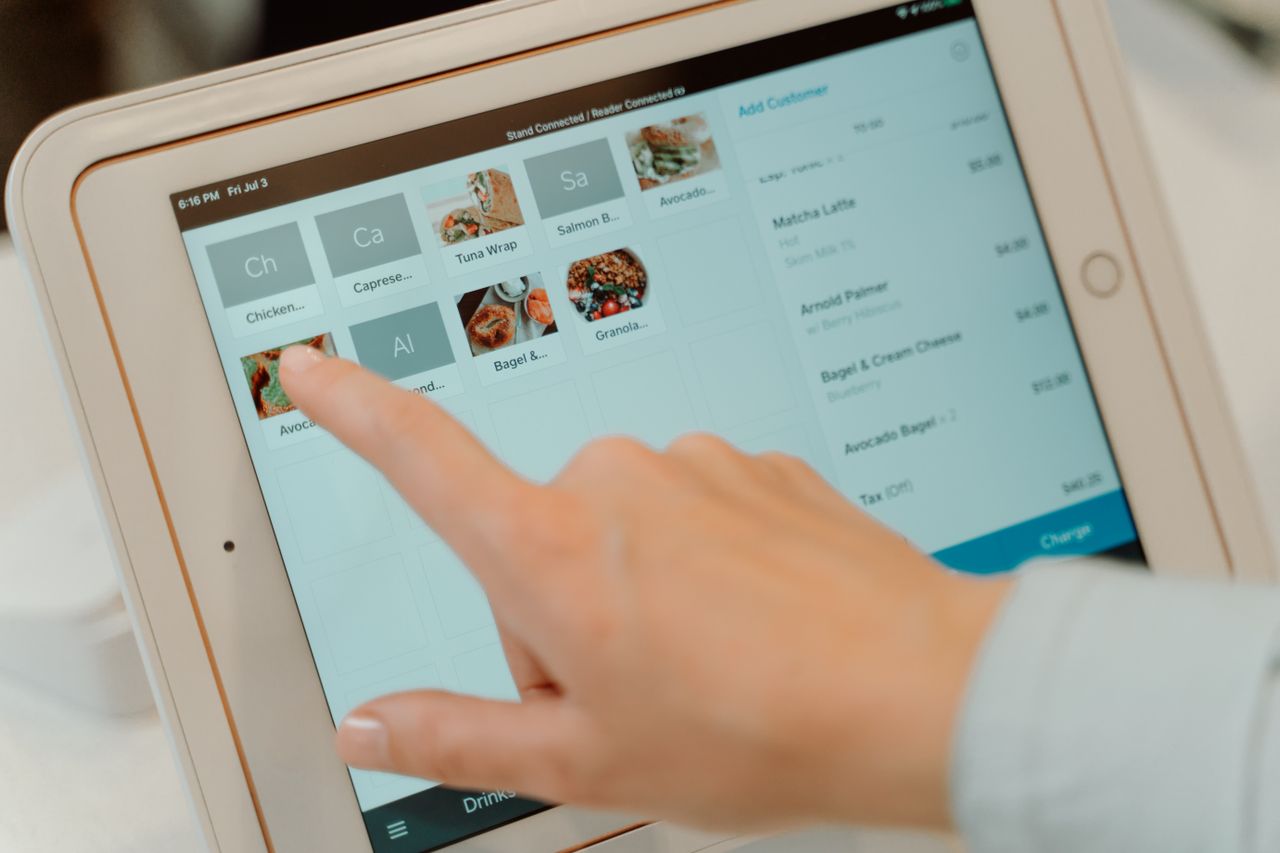
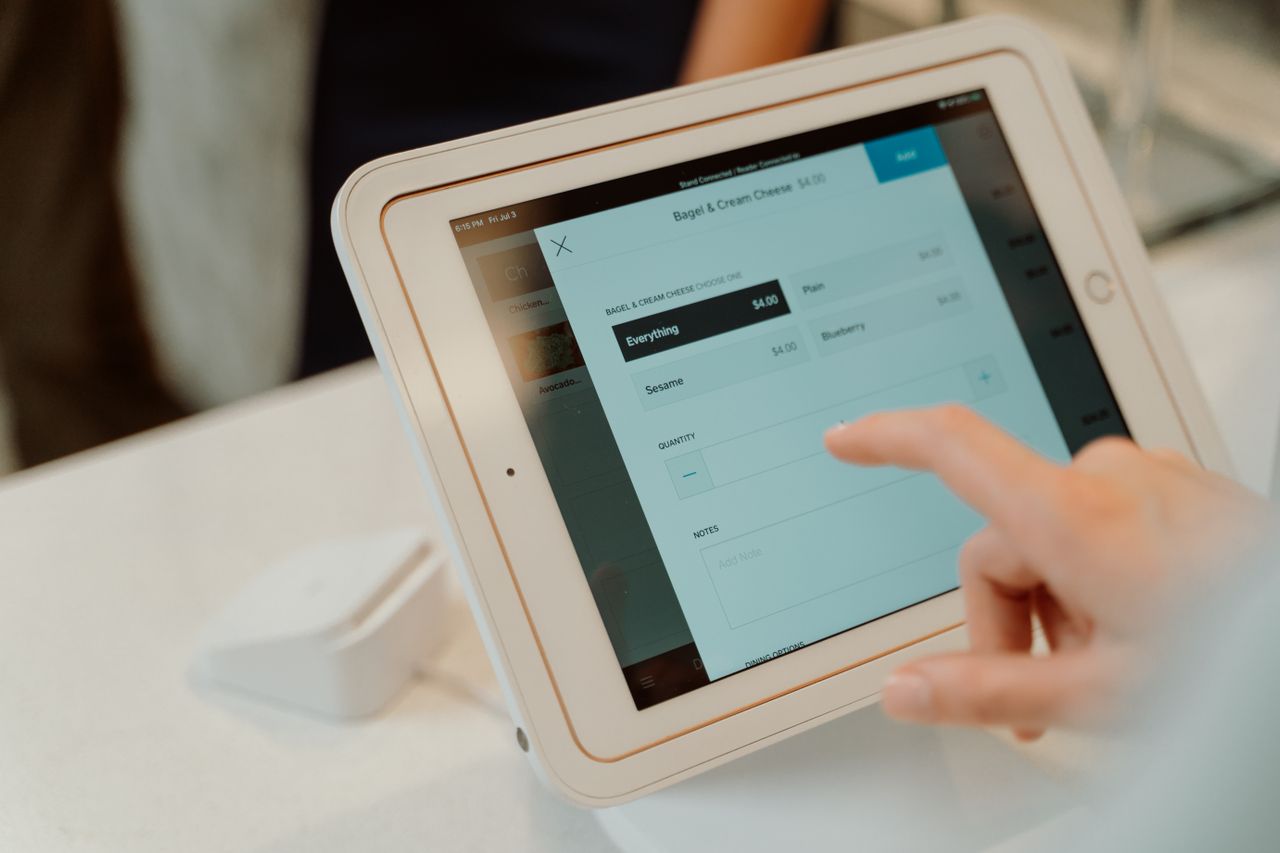
Effective staff training supports consistent restaurant operations. For multi-unit operators managing hourly workforces across several locations, a structured program can help establish role expectations, reinforce safety procedures, and create a more consistent employee experience.
Training should not end when onboarding is complete. Restaurants also need continuing instruction for menu changes, safety procedures, equipment, service standards, and employees preparing for additional responsibilities.
Whether you are onboarding new hires or developing future managers, the right approach depends on the employee’s role, prior experience, local requirements, and demonstrated competency. Operators looking to improve related processes can find additional workforce-management resources through Operators Daily.
Key Takeaways
- Training length should fit the role: In a 7shifts survey of 1,500 active restaurant employees, 46.6% selected one to two weeks as their preferred training period, while 38% selected less than one week. These figures reflect employee preferences, not a universal training standard.
- Combine instruction with practice: Digital modules can introduce procedures, while supervised practice, coaching, and observation help employees apply them.
- Food-safety training should continue: Restaurants should reinforce sanitation, temperature control, employee health, allergen procedures, and personal hygiene after initial training.
- Technology can support consistency: Depending on the platform, digital systems may distribute training, record completion, administer assessments, and track credential dates across locations.
- Connect training to operational results: CHART research reports that teams connecting training to operational metrics are twice as likely to secure resources.
- Cross-training can improve flexibility: Employees trained for more than one station may be able to support scheduling needs, peak periods, and unexpected absences.
Crafting Effective Restaurant Employee Training Programs
Building an employee training program requires balancing thorough instruction with the need to get employees comfortable in their roles. The goal is to build competency without rushing employees into tasks they cannot yet perform safely or consistently.
Developing a Comprehensive Training Curriculum
A strong training curriculum starts with clear learning objectives tied to specific job functions. For each role, identify the core competencies required and build training activities around them.
Your curriculum should include:
- Role-specific skill development: POS operation for servers, preparation techniques for line cooks, and inventory procedures for managers
- Cross-training opportunities: Exposure to multiple stations can help employees understand how different roles interact
- On-the-job training paired with e-learning: Digital modules can introduce policies and procedures, while supervised practice develops job-specific skills
- Progressive complexity: Start with fundamentals and add more complex responsibilities as competency improves
The most effective format will depend on the operation. Restaurants may use team communication tools, mobile training, printed station guides, manager demonstrations, or a combination of these methods.
Measuring the Impact of Your Training Investment
Training without measurement makes it difficult to determine what is working. Establish evaluation methods that connect learning outcomes to operational results.
Metrics may include:
- Time to reach defined performance benchmarks
- Error rates during the first 30, 60, and 90 days
- Guest-feedback results
- Food-cost or waste variances by location
- Turnover rates among comparable employee groups
- Safety incidents and procedural compliance
- Training completion and assessment results
CHART research, produced with Opus Training, reports that teams connecting training to operational metrics are twice as likely to secure resources. Operators should treat this as an industry survey finding rather than proof that measurement alone causes additional funding.
Mastering Employee Onboarding for Restaurant Staff
The onboarding experience sets expectations for an employee’s role and introduces the restaurant’s operating procedures. A structured program can also help managers provide more consistent instruction across shifts and locations.
Creating a Seamless First Month Experience
In a 7shifts survey of active restaurant employees, 46.6% selected one to two weeks as their preferred training period, while 38% selected less than one week. Operators should not treat those preferences as a fixed schedule. Training length should account for the position, the employee’s experience, legal requirements, and observed performance.
A sample first-month structure could include:
- Days 1-3: Introduce food-handling procedures, workplace safety, role expectations, menu information, and relevant systems. Provide access to the employee handbook and required policies.
- Days 4-10: Pair the employee with an experienced trainer for observation and supervised practice. Include only the stations relevant to the employee’s role or development plan.
- Days 11-14: Increase independent work as the employee demonstrates competency. Use manager observation, checklists, or assessments to identify remaining gaps.
- Days 15-30: Continue feedback and targeted coaching. Confirm that the employee can perform assigned duties safely and consistently.
Operators managing onboarding across several locations may use onboarding software to centralize assigned tasks and records. Available capabilities vary by platform.
Leveraging Checklists for Consistent Onboarding
An employee onboarding checklist can help managers complete required steps consistently, particularly when several supervisors participate in training.
Your onboarding checklist may cover:
- Pre-employment and payroll paperwork
- First-day logistics, including uniforms and site access
- System access and login credentials
- Required training or certifications
- Role-specific training activities
- Trainer or mentor assignment
- Initial performance check-ins
Digital checklists may provide reminders and completion histories. These records can support internal oversight, but they do not by themselves establish legal compliance. Multi-unit operators comparing systems can consult a software buyer’s guide and confirm each provider’s current capabilities directly.
Essential Training Topics for Modern Restaurant Staff
Certain topics are relevant across many restaurant concepts, although the depth and delivery will vary by role.
Prioritizing Core Competencies in Training
Restaurant training commonly addresses these areas:
- Food Safety Protocols: Cover sanitation, time and temperature controls, employee health, handwashing, glove use when applicable, cross-contamination prevention, and allergen procedures. Training should reflect the restaurant’s menu, processes, and governing health code.
- Customer Service: Train employees on greeting standards, complaint handling, wait-time communication, and service recovery procedures appropriate to the concept.
- POS System Operation: Front-of-house employees may need instruction in order entry, payment processing, check handling, discounts, voids, and modifications. Kitchen employees may need to understand ticket flow and timing.
- Menu Knowledge: Employees should understand ingredients, preparation methods, common modifications, and the restaurant’s allergen-communication process. Employees should not make unsupported assurances that a dish is allergen-free.
- Workplace Safety: Cover relevant hazards such as slips, burns, cuts, lifting, hazardous chemicals, and emergency procedures. OSHA provides restaurant-specific information through its safety resources.
Addressing Specific Role-Based Training Needs
Each role also requires specialized training:
- Servers: Table service, menu knowledge, order accuracy, course timing, and alcohol-service procedures where applicable
- Line cooks: Station setup, recipe execution, food-safety controls, plating standards, and ticket management
- Hosts: Reservation systems, quoted wait times, seating procedures, and guest flow
- Bartenders: Drink preparation, responsible alcohol service, cash controls, and applicable licensing rules
- Managers: Scheduling, inventory, financial reporting, incident response, documentation, and team leadership
Cross-training selected employees can improve scheduling flexibility and help staff understand how responsibilities connect across the operation. Employees should still be trained and authorized before performing safety-sensitive tasks.
Optimizing Server Training for Guest Experiences
Front-of-house employees strongly influence how guests experience a restaurant. Server training should emphasize accurate information, attentive service, safe allergen communication, and consistent execution.
Techniques for Strong Table Service
Servers should be able to explain menu items accurately, recommend appropriate pairings, and follow the restaurant’s process for handling allergen questions.
Train servers on:
- Tableside etiquette: Approach timing, professional communication, and awareness of guest cues
- Order accuracy: Repeat-back confirmation, modification entry, and kitchen communication
- Suggestive selling: Relevant recommendations that support the guest’s experience
- Drink pairing: Basic knowledge appropriate to the restaurant’s beverage program
- Allergy communication: Clear procedures for recording an allergy and notifying the appropriate manager or kitchen employee
Role-playing can help employees practice complaints, delays, menu questions, and other situations before handling them independently.
Building Customer Loyalty Through Server Excellence
Operators can reinforce service training through:
- Menu tastings: Structured sessions that explain ingredients and preparation
- Role-playing exercises: Practice for complaints, service recovery, and high-pressure situations
- Observation programs: Manager or evaluator feedback based on defined service standards
- Recognition programs: Recognition tied to a balanced set of measures, such as accuracy, teamwork, guest feedback, and policy compliance
Operators should evaluate the effect of server training using their own guest-feedback measures, order-accuracy data, sales results, and operational observations.
Leveraging Technology for Restaurant Training Efficiency
Technology can support training at scale, but it generally works best when paired with manager instruction, supervised practice, and feedback. Operators should verify each platform’s current capabilities through its official product documentation.
Integrating Learning Management Systems
A learning management system can centralize training delivery and records across locations. Capabilities to evaluate include:
- Video progress tracking: Records playback or completion status where supported
- Assessments: Quizzes or knowledge checks used to identify gaps
- Dated completion records: Documentation showing when assigned training was completed
- Progress dashboards: Reporting by employee, role, course, or location
- Content assignment: Ability to assign different material by job or location
- Credential reminders: Notifications for approaching expiration dates where supported
- Mobile access: Availability on the devices employees are expected to use
- Language support: Translated interfaces, captions, subtitles, or multilingual content
Completion records do not prove that an employee understood or retained the material. Combine digital records with assessments, demonstrations, or manager observations where appropriate.
For scheduling software used alongside training systems, confirm available integrations through the official documentation of both providers. Do not assume that two products exchange employee, role, schedule, or completion data unless the integration is documented.
Mobile-First Training Solutions for Busy Staff
Restaurant employees may have limited access to desktop computers. Mobile-accessible content can make assigned training easier to reach, provided employees receive required paid training time under applicable wage-and-hour rules.
Useful mobile-training capabilities may include:
- Short learning modules: Focused sessions covering one procedure or concept
- QR-code access: Links to current station procedures or equipment instructions
- Notifications: Reminders for assigned or expiring training
- Video demonstrations: Visual instruction for procedures that are difficult to explain through text alone
- Offline access: Availability in locations with unreliable connectivity, where supported
Current CHART and Opus research identify time pressure as a major constraint on hospitality training. Operators should therefore prioritize required and role-relevant material rather than assigning content solely to increase completion volume.
Restaurant Management Training Pathways for Growth
Developing managers internally can preserve institutional knowledge and create visible advancement opportunities. Management training requires additional content beyond hourly job instruction.
Developing Future Leaders from Within
Identify employees who consistently demonstrate role competency, communication skills, judgment, and interest in advancement. Create clear criteria for additional station certifications or leadership responsibilities.
Management development may cover:
- Financial management: Reading profit-and-loss reports, managing labor, understanding food costs, and working within budgets
- Staff scheduling: Matching staffing plans to expected demand while following labor rules
- Performance management: Providing feedback and maintaining appropriate documentation
- Conflict resolution: Addressing interpersonal problems consistently and professionally
- Incident response: Handling emergencies, equipment failures, guest incidents, and escalation procedures
- Compliance administration: Monitoring training, permits, certifications, and required records
Operators reviewing payroll practices should also consider how additional responsibilities, training time, and advancement affect compensation and wage-and-hour compliance.
Essential Skills for Multi-Unit Restaurant Managers
Multi-unit managers may require training in:
- Remote leadership: Maintaining communication with locations that cannot be visited daily
- Consistency reviews: Evaluating whether required procedures are followed across units
- Trainer development: Preparing managers or designated trainers to deliver instruction consistently
- Succession planning: Identifying and preparing potential general managers
- Cross-location calibration: Aligning managers on standards while accounting for local legal requirements
For new openings, experienced employees from established locations may help introduce procedures and coach new teams. Operators should define their authority, responsibilities, travel arrangements, and training objectives before deployment.
Ensuring Compliance and Consistency in Restaurant Training
Compliance training helps employees understand required procedures, while standardization supports a more consistent experience across locations. Neither objective can be achieved through software records alone.
Standardizing Training Across Multiple Locations
Multi-unit operators may need to account for different staffing levels, local managers, languages, and jurisdiction-specific requirements.
Useful practices include:
- Centralized training materials: Controlled documents that can be updated across locations
- Designated training personnel: Employees responsible for instruction, observation, or audits
- Cross-location manager sessions: Meetings used to clarify procedures and compare execution
- Accessible language: Training delivered in language and terminology employees can understand
- Standard operating procedures: Documented steps for recurring and safety-sensitive tasks
- Version control: A process for removing outdated procedures and communicating revisions
Digital platforms can reduce inconsistencies by distributing current materials and centralizing completion records. Managers must still verify that employees can apply the procedures correctly.
Training for Regulatory Updates and Legal Compliance
Restaurant compliance requirements vary by state, county, and municipality. Multi-unit operators may need to monitor:
- Certified food protection manager rules: Many jurisdictions require certification from an accredited program, but accepted credentials, on-duty requirements, and renewal periods vary
- Food-handler requirements: Some jurisdictions require training or cards for designated employees, while others use different approaches
- Workplace-safety requirements: Training obligations may apply to hazardous chemicals, personal protective equipment, equipment, emergency procedures, and other workplace hazards
- Local health codes: Requirements may differ across counties or municipalities
- Alcohol-service rules: Server training, permits, or certifications vary by state and locality
- Youth-employment restrictions: Minors may be prohibited from operating certain equipment or performing particular tasks
The FDA Food Code is a model that jurisdictions may adopt or modify. Operators should confirm applicable requirements with the relevant state and local authorities.
ServSafe is one widely recognized provider of food-safety training and certification. The National Restaurant Association recognizes its Food Protection Manager Certification for five years, but state, local, and employer requirements can differ, according to ServSafe guidance.
Build a system for monitoring credential dates and local rule changes. An expired credential may put a location out of compliance where current certification is required.
Measuring ROI: Evaluating Restaurant Staff Training Effectiveness
Training outcomes should be evaluated using measures connected to restaurant operations. Results should be interpreted carefully because staffing, management, menu changes, demand, and other factors may affect the same metrics.
Key Performance Indicators for Training Programs
Possible performance indicators include:
- Staff retention: Compare turnover among similar roles and locations over time
- Guest feedback: Monitor relevant satisfaction or complaint measures
- Sales results: Review average check size, product mix, or promotion results while considering other influences
- Waste: Measure food waste or preparation errors associated with defined procedures
- Incident reports: Monitor safety events, violations, and corrective actions
- Time to competency: Measure how quickly employees meet documented performance standards
- Assessment results: Review knowledge checks alongside observed job performance
Use baseline periods and comparable groups where possible. Avoid attributing every operational change to training unless the available evidence supports that conclusion.
Gathering Feedback for Continuous Improvement
Training programs should evolve based on employee feedback, assessment results, manager observations, and operational needs.
Useful feedback sources include:
- Employee surveys: Ask whether materials were clear, relevant, and accessible
- Skill assessments: Identify procedures employees cannot yet explain or demonstrate
- Manager feedback: Evaluate whether employees were prepared for assigned duties
- Exit interviews: Look for recurring concerns related to unclear expectations or insufficient support
- Incident reviews: Determine whether training, supervision, equipment, or procedure changes are needed
Rachael Nemeth, CEO of Opus Training, said teams connecting training to operational metrics such as turnover and guest satisfaction are better positioned to protect training resources. The underlying finding comes from research produced by Opus and CHART and should be presented as an industry survey result rather than an independent causal study.
Frequently Asked Questions
What is the ideal length for new-hire restaurant training?
There is no universal ideal length. In a 7shifts survey of 1,500 active restaurant employees, 46.6% selected one to two weeks as their preferred period, while 38% selected less than one week. Restaurants should adjust the schedule based on the role, the employee’s experience, required training, and demonstrated competency.
How do you train employees who speak different languages?
Use translated materials, qualified bilingual trainers, demonstrations, captions, and visual station guides where appropriate. Employees should receive safety and job instruction in language and vocabulary they can understand. Operators should also verify that translated materials remain consistent with the current approved procedure.
What certifications are legally required for restaurant employees?
Requirements depend on state and local law. Some jurisdictions require food-handler training or cards, while many require a certified food protection manager. The accepted program, covered employees, renewal period, and on-duty requirements can differ. Alcohol-service credentials may also be required. Consult the relevant health department, alcohol authority, and other regulators for each location.
Is ServSafe required in every restaurant?
No. ServSafe is a widely recognized training and certification provider, but it is not the only accepted program and is not named as the required provider in every jurisdiction. Operators should review local rules before purchasing a course or examination.
Does an LMS completion record prove compliance?
Not necessarily. A record may document that assigned content was completed, but legal compliance may require an approved course, examination, certification, license, instructor, or observed competency. Confirm the governing requirements before relying on an LMS record.
How can small operators create an affordable training program?
Start with documented procedures, structured checklists, manager demonstrations, supervised practice, and free government safety resources. Prioritize high-risk and role-critical topics before purchasing additional software. When comparing platforms, confirm pricing, minimum contracts, user limits, implementation fees, mobile access, and included support through the provider’s official website.
What role should experienced employees play in training new hires?
Experienced employees can demonstrate procedures, observe practice, and explain how roles interact. Restaurants should provide trainers with clear materials and expectations rather than relying only on informal institutional knowledge. Trainers should also be compensated for required training work in accordance with applicable wage-and-hour rules.
Join multi-unit operators getting practical guides and no-nonsense software breakdowns across hiring, onboarding, scheduling, payroll, compliance, and what's shifting in the industry.
Free. One email a week. Unsubscribe anytime.
%20Base%20Rate%2C%20Tipped%20Wage%20%26%20Tip%20Credit.jpg)
%20Base%20Rate%2C%20Tipped%20Wage%20%26%20Tip%20Credit.jpg)
%20Base%20Rate%2C%20Tipped%20Wage%20%26%20Tip%20Credit.jpg)