Best Third-Party Delivery Aggregators Compared

Operator's Daily is where multi-unit restaurant and hourly-workforce operators get smart, fast — practical guides and no-nonsense software comparisons across hiring, onboarding, scheduling, payroll, and compliance.

Popular articles
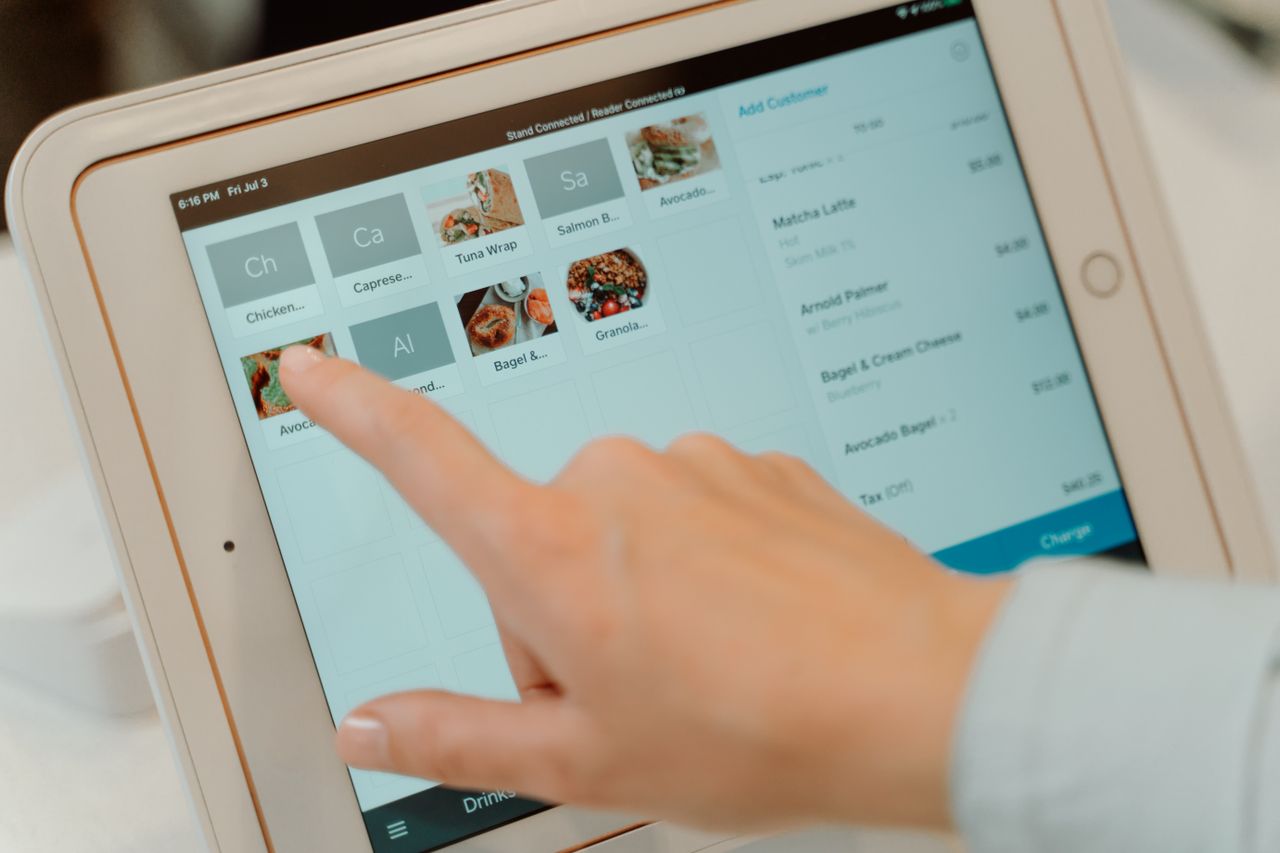
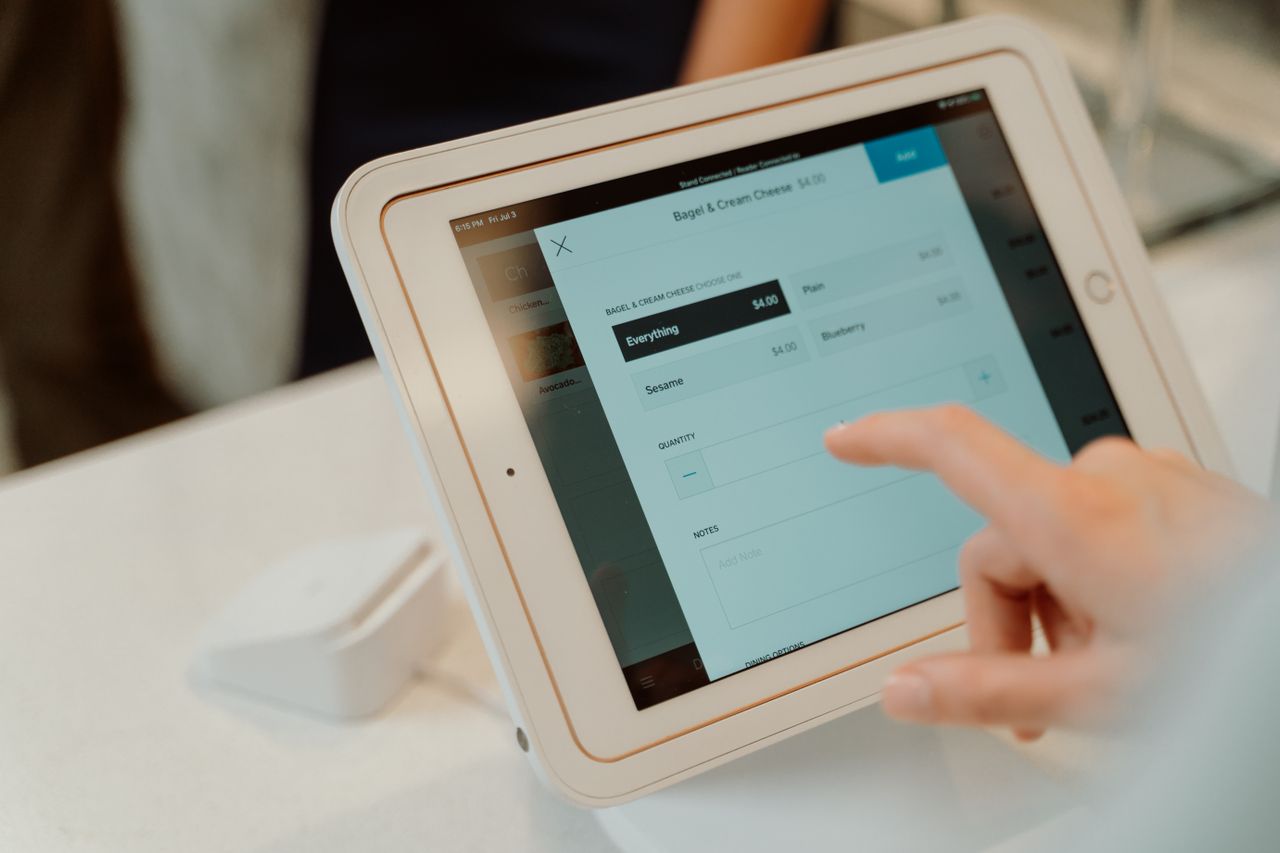
Managing separate tablets for DoorDash, Uber Eats, and Grubhub creates chaos in most restaurant kitchens. Third-party delivery aggregators solve this problem by consolidating orders from multiple marketplace platforms into a single interface or directly into your POS system. This reduces manual order re-entry and related errors, and frees your team to focus on food quality and customer service. For restaurants looking to optimize their overall operations, pairing delivery management with the right scheduling software can further reduce labor waste during delivery rushes.
We analyzed 10 leading aggregator platforms based on market presence, feature completeness, target restaurant size, pricing transparency, and implementation speed. This guide breaks down the best options for every operation size, from single-location independents to enterprise chains with hundreds of units.
Key Takeaways
- Deliverect targets enterprise operators, reporting 1.5 billion+ orders processed across 80,000 locations, with customized pricing based on location, scale, and selected solution.
- SMB restaurants have options with published pricing, including OrderOut (free to $129.99/month), KitchenHub (Core at $69/location/month), Cuboh (from $119/month), and Otter Order Manager ($149/month).
- Order aggregation reduces "tablet hell" by consolidating DoorDash, Uber Eats, and Grubhub orders into one dashboard or directly into your existing POS.
- Menu synchronization is critical since updating prices and items once and pushing changes everywhere saves hours of manual work.
- Ghost kitchens need specialized tools like KitchenHub that support multiple virtual brands from a single location.
Understanding Third-Party Delivery: What Are Aggregators?
Third-party delivery aggregators are software platforms that pull orders from multiple food delivery apps into a single management system. Instead of juggling three to five separate tablets for DoorDash, Uber Eats, Grubhub, and regional services, your kitchen staff works from one screen.
These platforms differ from delivery marketplaces themselves. DoorDash and Uber Eats are delivery platforms that connect customers with restaurants and provide drivers. Aggregators like Deliverect and Chowly sit between those marketplaces and your restaurant operations, handling:
- Order consolidation from all connected delivery platforms
- Menu synchronization so price changes update everywhere at once
- POS integration that sends orders directly to your existing point-of-sale system
- Reporting across all delivery channels in one dashboard
A 2020 Zion & Zion survey of 1,084 U.S. consumers found problems with third-party delivery orders 24.4% of the time, including incorrect or missing items, temperature issues, and late deliveries. Aggregators can reduce manual re-entry and related errors by automating order flow into supported systems.
Top Contenders: A Look at Major Food Delivery Apps
Before diving into aggregator software, it helps to understand the delivery platforms these tools connect to. DoorDash, Uber Eats, and Grubhub dominate the US market, with each platform maintaining its own restaurant partnerships, customer base, and commission structures.
Most restaurants work with multiple platforms to maximize customer reach. This multi-platform approach creates the operational complexity that aggregators solve. Major U.S. marketplace delivery fees commonly fall in roughly the 15% to 30% range, depending on platform and plan. For example, DoorDash's U.S. restaurant plans carry 15%, 25%, or 30% delivery commissions. This margin pressure makes operational efficiency essential.
10 Best Third-Party Delivery Aggregators for Restaurants
We evaluated leading delivery aggregators based on market presence, feature completeness, target restaurant size, pricing transparency, and implementation speed. Here are the top options for restaurant operators.
1. Deliverect
Best for: Enterprise chains and multi-unit operators (100+ locations)
Price: Customized pricing based on location, scale, and selected solution (Restaurants, Retail, Direct, and Dispatch). Deliverect's U.S. policy price list shows $119/month for 0-350 orders, $199/month for 351-750 orders, and $249/month for 751-1,500 orders, plus transaction fees; contract terms may differ.
Deliverect is an enterprise-focused solution that reports more than 1.5 billion orders processed across 80,000 locations in 65+ countries. It counts major brands like KFC, Pizza Hut, and Burger King as customers.
Key Features:
- Centralized order management from 1,000+ integrations, including all major delivery platforms
- Real-time menu synchronization across all connected platforms
- Sentinel monitoring of marketplace downtime, with automatic reopening of eligible locations using Deliverect Restaurants
- A 99.95% order-injection rate, as reported by Deliverect
Limitations:
- Main pricing page doesn't publish rates; requires a customized quote
- Transaction fees apply in addition to the monthly subscription
- Sentinel's automatic reopening applies only to stores integrated with Deliverect Restaurants
For multi-unit operators managing complex delivery operations, Deliverect's enterprise scale makes it worth evaluating, particularly when combined with solid multi-location restaurant management strategies.
2. Chowly
Best for: Growth-stage brands (10-50 locations) wanting marketing tools bundled with aggregation
Price: Custom pricing based on location count and selected products and features
Chowly goes beyond pure order aggregation by offering third-party delivery integration, direct ordering, loyalty, and marketing tools. This approach helps restaurants reduce marketplace dependence over time by shifting customers to direct ordering channels.
Key Features:
- Automated order flow from third-party platforms directly into POS systems, with menu synchronization
- Bundled marketing and loyalty tools for customer acquisition
- 50+ native POS integrations, including Toast, Square, Clover, Aloha, and NCR
- Direct ordering and dynamic pricing tools
Limitations:
- Pricing isn't published; provided during the sales process
- Setup and monthly per-location fees apply under Chowly's terms
Chowly suits growing brands that want aggregation and direct-channel marketing from one vendor.
3. Otter
Best for: Small restaurants, food trucks, and ghost kitchens needing fast implementation
Price: Otter offers Order Manager as a standalone product and also includes delivery-app aggregation in its Advanced POS plan, currently listed at $178/month plus transaction fees. Pricing varies by package and add-ons.
Otter's Order Manager consolidates online orders, automatically accepts and prints them, and supports POS synchronization. The platform is designed for restaurant managers who need immediate tablet consolidation without technical complexity.
Key Features:
- Order aggregation from all major delivery platforms
- Add-on hardware including kiosks and Kitchen Display Systems (KDS)
- User-friendly interface designed for minimal technical setup
- All-in-one approach covering order aggregation, online ordering, and in-store tech
Limitations:
- Add-ons, integrations, and hardware add to the base Order Manager price
- POS bundles carry additional fees and contract conditions
Otter fits smaller operators who want a quick, self-contained way to consolidate delivery tablets.
4. ChowNow Order Aggregation
Best for: Independent restaurants (1-5 locations) wanting commission-free direct ordering alongside aggregation
Price: Plans start at $229/month billed annually; third-party order aggregation is available beginning with the Grow plan, starting at $319/month billed annually. Setup, transaction, printer, and delivery fees also apply.
ChowNow combines order aggregation with a commission-free direct ordering ecosystem, helping restaurants build their own branded online presence while still capturing marketplace traffic.
Key Features:
- Consolidates DoorDash, Uber Eats, Grubhub, and direct orders into a single dashboard
- Connects to 30+ POS systems, including Toast, Square, and Clover
- Unified menu management with cross-platform synchronization
- Centralized analytics showing which platforms drive the most revenue
Capterra rating: 4.7/5 based on 47 reviews (as of September 2026)
Limitations:
- Third-party order aggregation isn't included in the entry-level Launch plan
- Setup, transaction, printer, and delivery fees add to the subscription
ChowNow works well for independents that want to grow direct ordering while managing marketplace orders in one place.
5. ItsaCheckmate (Checkmate)
Best for: Mid-size restaurants (10-50 locations) wanting modular pricing
Price: Request pricing; modular packages start with order injection, with reconciliation and dispute tools added as needed.
Checkmate offers a modular approach where restaurants buy only what they need and add capabilities as they grow. Its reconciliation tools help restaurants recover revenue from marketplace errors.
Key Features:
- Marketplace order injection into POS systems
- Add-on modules for reconciliation, refunds, and direct ordering
- Menu management across ordering platforms
- Wide POS integration range
Limitations:
- Doesn't publish dollar subscription rates
- Menu-sync capabilities differ between API and non-API integrated ordering platforms
Checkmate suits operators who want to start with order injection and layer in revenue-recovery tools over time.
6. OrderOut
Best for: Clover and Square users wanting the simplest path to eliminate tablet juggling
Price: Free plan at $0; Essential at $89.99/month and Premium at $129.99/month. APIs are priced separately.
OrderOut has strong Clover and Square support while also supporting additional POS integrations and an API, with Toast listed as coming soon. It pushes Uber Eats, DoorDash, Grubhub, and other supported channels into your existing POS workflow.
Key Features:
- Direct order injection into supported POS systems, including Clover and Square
- Normalized order mapping that keeps items, modifiers, and pricing intact
- Menu synchronization across connected channels
- Cloud-based setup that uses existing kitchen printing hardware, depending on POS configuration
- Fast implementation for quick results
Limitations:
- Toast integration is listed as coming soon
- Hardware and setup requirements depend on POS configuration
OrderOut is a practical fit for Clover and Square operators who want published, low-cost pricing.
7. Cuboh
Best for: Independents and small groups (1-5 locations) wanting transparent pricing and fast onboarding
Price: $119/month (Low-Volume), $169/month (Mid-Volume), and $229/month (High-Volume) in the U.S., with enterprise pricing for multi-location customers
Cuboh offers clear, published pricing and packaging for SMB operators without enterprise bloat. The Canadian company has expanded into the US market, and it says average onboarding ranges from 1 to 10 days.
Key Features:
- Straightforward tablet consolidation with all orders in one interface
- Onboarding that averages 1 to 10 days, depending on menu complexity, restaurant size, and integration type
- Centralized reporting, menu management, and multi-location management
- Growing POS integration library
Limitations:
- Pricing tiers are tied to order volume
- Onboarding time varies with menu complexity, restaurant size, and integration type
Cuboh fits smaller operators that want predictable monthly pricing and a short setup period.
8. KitchenHub
Best for: Ghost kitchens and virtual brand operators managing multiple concepts from one location
Price: Core at $69/location/month; Revenue Recovery at $169/location/month. Enterprise and reseller arrangements can be custom-priced.
KitchenHub stands out with its branded Partner Dashboard, a white-labeled interface that restaurant groups and POS resellers can customize. The platform is designed to support multi-brand operations from a single kitchen.
Key Features:
- White-label applications, dashboard, and API for branded experiences across franchises
- Unified, POS-independent API that works with multiple systems
- Third-party order aggregation and menu management
- Virtual store support for virtual restaurant concepts
Limitations:
- Enterprise and reseller pricing is custom
- Revenue Recovery is priced separately from the Core plan
KitchenHub suits ghost kitchens and resellers that need multi-brand and white-label flexibility.
9. Stream
Best for: Growing chains (10-50 locations) needing platform-specific pricing flexibility
Price: Quote-based, positioned for mid-market
Stream automates order injection and menu syncing while allowing different prices per platform. This feature helps restaurants offset high marketplace commissions by charging more on platforms with higher fees.
Key Features:
- Delivery aggregation with POS order consolidation
- Real-time menu syncing across integrated platforms
- Channel-specific pricing, including different third-party and POS pricing
- Integrations with Toast, Square, Clover, and delivery platforms, plus white-label APIs
Limitations:
- Pricing requires a quote
- Confirm support for your specific POS before committing
Stream fits chains that want to manage menu pricing by channel to offset marketplace commissions.
10. Olo Rails
Best for: Large enterprise brands (500+ locations) requiring centralized governance
Price: Enterprise quote-based
Olo Rails connects restaurants with third-party marketplaces and synchronizes menus, pricing, location data, availability, and orders for brands managing complex operations across regions and franchise structures. Olo Dispatch, a related module, matches direct delivery orders with third-party courier fleets.
Key Features:
- Third-party marketplace connection and order flow
- Centralized menu, price, and availability synchronization
- Location data management across marketplaces
- Optional Dispatch module for routing direct orders to third-party delivery fleets
Capterra rating: 5.0/5 based on three reviews (as of September 2026)
Limitations:
- Pricing isn't published; requires a quote
- Dispatch is a separate module for direct delivery, not marketplace aggregation
Olo Rails suits large brands that need centralized control over marketplace menus and data.
Choosing the Best Delivery App for Your Restaurant
Selecting an aggregator depends on your operation size, existing technology stack, and growth trajectory. Consider these factors:
Restaurant size and location count:
- 1-10 locations: Otter, ChowNow, Cuboh, or OrderOut
- 10-50 locations: Chowly, Checkmate, or Stream
- 100+ locations: Deliverect or Olo Rails
POS compatibility: Check integration support before committing. If you run Clover or Square, OrderOut offers strong native support. Toast, NCR Aloha, and other systems have broader support across platforms like Deliverect and Chowly.
Feature priorities:
- Pure order consolidation: Cuboh, OrderOut, Checkmate
- Marketing tools included: Chowly, ChowNow
- Ghost kitchen support: KitchenHub
- Enterprise governance: Olo Rails, Deliverect
Integrating Delivery into Your Restaurant Operations
Successful delivery aggregation requires operational adjustments beyond software installation. Staff training becomes critical since your team needs to understand the new workflow. Review our restaurant onboarding software buyer's guide for tools that can streamline this process.
Using a Restaurant POS System with Delivery Aggregators
POS integration reduces the need for staff to manually transfer orders from delivery tablets to your main system. Direct order injection means:
- Fewer errors from manual re-entry
- Faster ticket times since orders print automatically
- Unified reporting across dine-in and delivery channels, depending on the integration
- More consistent sales data, with menu availability or inventory-related data synchronized where the integration supports it
The goal is making delivery orders indistinguishable from dine-in orders in your workflow. Staff works from one system regardless of where the order originated.
Managing Multiple Delivery Platforms: The Aggregator Challenge
"Tablet hell" describes the reality of managing separate devices for each delivery platform. Beyond the hardware clutter, each platform has different menus, pricing, and order formats to maintain.
Aggregators solve this with:
- Unified dashboard: All orders appear in one interface
- Menu synchronization: Update once, push everywhere
- Consolidated reporting: See performance across all channels
- POS integration: Orders flow directly into existing systems
For restaurants with fluctuating delivery demand, aligning your labor scheduling with order patterns prevents overstaffing during slow periods and understaffing during rushes. The right approach to scheduling software helps match labor costs to actual demand.
Future Trends in Third-Party Food Delivery
Several developments are reshaping how restaurants approach delivery:
Ghost kitchens and virtual brands continue expanding, with operators running multiple restaurant concepts from single locations. Platforms like KitchenHub have emerged specifically to support this model.
Direct ordering growth reflects restaurant pushback against high marketplace commissions. Aggregators like ChowNow and Chowly increasingly bundle direct ordering capabilities alongside third-party consolidation.
Deeper POS integration is becoming table stakes. The distinction between "separate aggregator software" and "built-in POS feature" is blurring as major POS systems add native aggregation capabilities.
Sustainability focus is driving changes in packaging and delivery logistics, with some platforms exploring consolidated delivery routes and eco-friendly packaging partnerships.
The Bottom Line
Most aggregator decisions come down to three questions. First, does the platform connect cleanly to the POS you already run? OrderOut is built around Clover and Square, while Deliverect, Chowly, and Stream support a wider mix of systems. Second, do you need only order consolidation, or do you also want direct ordering and marketing? Cuboh, OrderOut, and Checkmate focus on consolidation, with Checkmate adding revenue-recovery modules, while ChowNow and Chowly bundle direct-channel tools. Third, how many locations and brands will it need to handle? KitchenHub is designed for multiple virtual brands under one roof, and Olo Rails and Deliverect target enterprise-scale governance.
Answering those questions usually narrows a shortlist to two or three vendors. From there, compare written quotes side by side, including transaction fees, setup costs, and add-on modules, and ask each vendor to walk through how menu sync works for your specific delivery channels. Operators Daily's restaurant technology guides also cover the POS and ordering systems these aggregators plug into.
Frequently Asked Questions
What is the difference between first-party and third-party delivery?
First-party delivery uses your own staff and vehicles to deliver orders placed through your website or app. Third-party delivery relies on marketplace platforms like DoorDash or Uber Eats that provide their own drivers and customer-facing ordering experience. Aggregators help manage third-party delivery by consolidating orders from multiple platforms into one system.
How much do third-party delivery apps typically charge restaurants?
Major U.S. marketplace delivery fees commonly fall in roughly the 15% to 30% range, depending on platform and plan. Additional fees may apply for marketing placements, premium positioning, or access to customer data. Aggregator software adds another cost layer: published entry pricing ranges from free or sub-$100 options to several hundred dollars per month, while enterprise contracts are typically quote-based.
Can small restaurants compete with large chains on delivery apps?
Yes, though it requires strategic approach. Aggregators level the playing field by giving small operators access to the same operational efficiency tools that chains use. Strong food photography, competitive pricing (accounting for commissions), and fast preparation times help independents rank well in marketplace algorithms.
What are the benefits of integrating delivery apps with a POS system?
Direct POS integration reduces manual order re-entry, cutting errors and ticket times. Depending on the POS and integration, it can also centralize reporting and help keep menu availability or inventory-related data synchronized. Staff work from familiar systems rather than learning multiple tablet interfaces.
Are there any alternatives to third-party delivery aggregators for restaurants?
Some restaurants handle delivery in-house using their own drivers and direct ordering systems. This approach eliminates marketplace commissions but requires investment in delivery infrastructure, driver management, and customer-facing ordering technology. Hybrid approaches using aggregators for third-party orders while building direct ordering channels offer a middle path.
Join multi-unit operators getting practical guides and no-nonsense software breakdowns across hiring, onboarding, scheduling, payroll, compliance, and what's shifting in the industry.
Free. One email a week. Unsubscribe anytime.
%20Base%20Rate%2C%20Tipped%20Wage%20%26%20Tip%20Credit.jpg)
%20Base%20Rate%2C%20Tipped%20Wage%20%26%20Tip%20Credit.jpg)
%20Base%20Rate%2C%20Tipped%20Wage%20%26%20Tip%20Credit.jpg)