Best Free Inventory Management Tools for Restaurants


Operators Daily is where multi-unit restaurant and hourly-workforce operators get smart, fast — practical guides and no-nonsense software comparisons across hiring, onboarding, scheduling, payroll, and compliance.
Popular articles
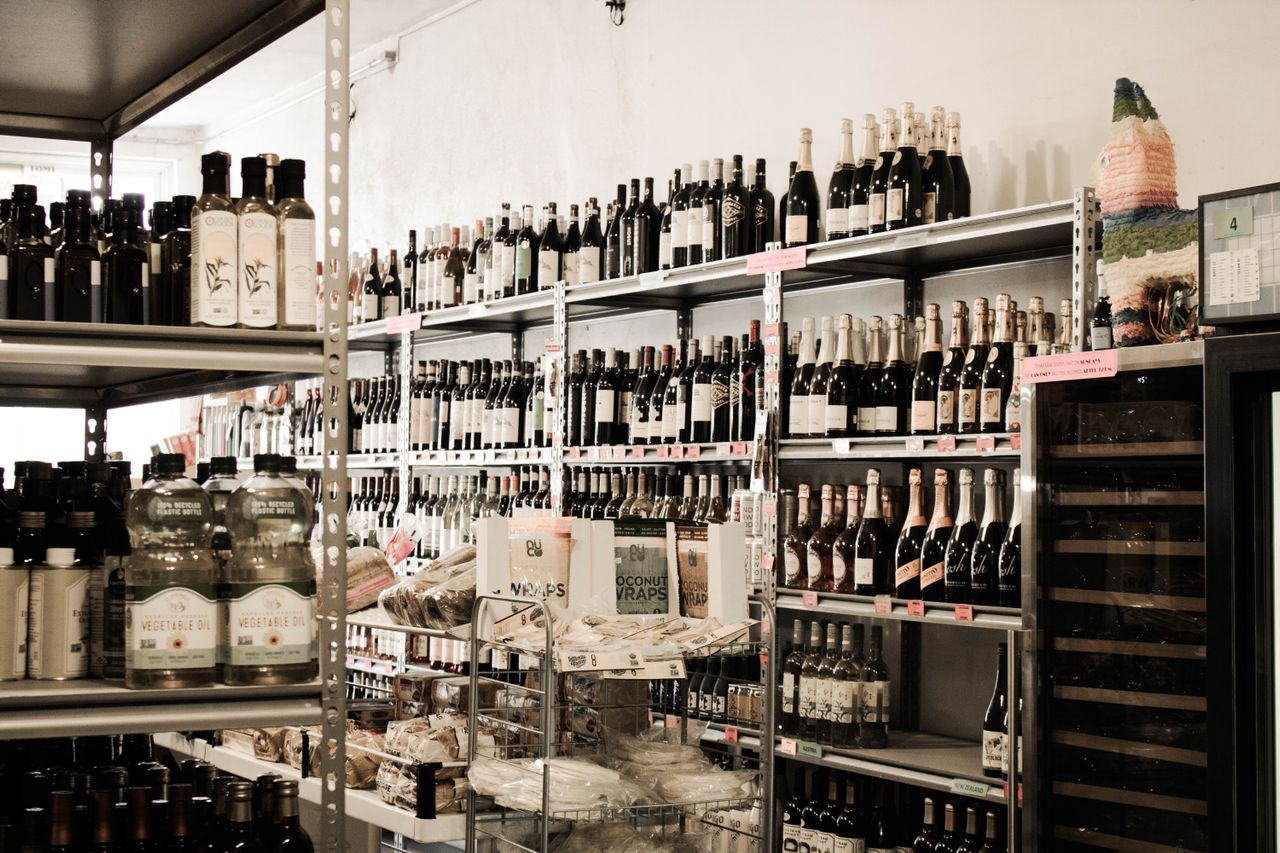
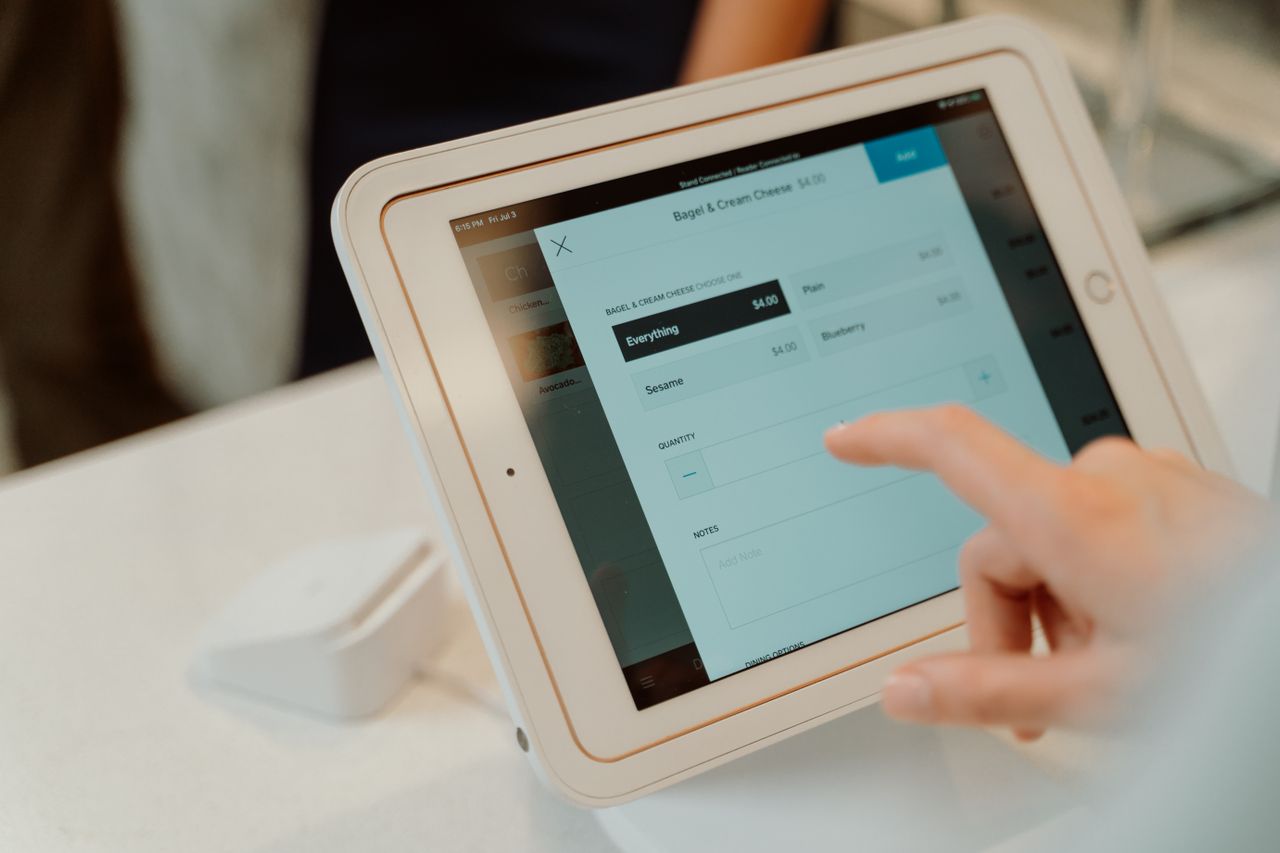
Restaurant operators searching for free inventory management software often find that comprehensive, restaurant-specific free tools are hard to come by. Yet practical options do exist for budget-conscious operators willing to adapt general tools or accept certain trade-offs. This guide walks through the best free inventory solutions available, helping you choose the right fit for your operation.
Key Takeaways
- Paid restaurant inventory pricing varies by provider, location count, features, and contract terms, but several free options exist with varying limitations.
- Square for Restaurants has no monthly subscription fee on its Free plan, but standard U.S. in-person card processing costs 2.6% + 15¢ per payment, and ingredient-level inventory requires a separate paid integration.
- Odoo's One App Free plan provides one app, such as Inventory, for unlimited users, while Odoo Community is open source and self-hosted.
- Spreadsheet templates can suit operations with manageable inventory complexity and a reliable counting and update process.
- Free tools often have capacity limits, feature restrictions, or require integration with paid ecosystems. Some tools listed as free elsewhere, such as xtraCHEF by Toast and Xenia, require paid subscriptions or custom quotes.
Why Free Inventory Management Software is Crucial for Restaurants
Inventory represents one of the highest controllable costs in any restaurant operation. Without proper tracking, food waste adds up quickly, profit margins shrink, and reordering becomes guesswork.
Depending on the product and plan, inventory tools can support the following tasks. Confirm which capabilities are included for free and which require paid features or integrations.
- Reduced food costs through better visibility into ingredient usage and waste patterns
- Improved profit margins by identifying slow-moving items before they spoil
- Streamlined operations with stock alerts and reorder triggers
- Better vendor management through purchase order tracking and price comparisons
- Accurate cost analysis that supports menu engineering decisions
For multi-location operators, these challenges multiply. Each site may have different usage patterns, vendors, and storage conditions. Free tools can help smaller operations establish inventory control fundamentals before investing in enterprise solutions.
Understanding Your Inventory Needs: Before You Choose
Before selecting any inventory tool, assess what your restaurant actually requires.
Assessing Your Restaurant's Unique Requirements
Consider these questions:
- How many ingredients and products do you track regularly?
- Do you operate single or multiple locations?
- What is your monthly food spending?
- Do you need recipe costing capabilities?
- Which POS system do you currently use?
Count the distinct ingredients and supplies you need to track before comparing free-plan item limits.
Key Features to Look for in Any Inventory System
Regardless of budget, prioritize these capabilities:
- Real-time stock tracking to avoid running out of key ingredients
- Purchase order management for vendor communication
- Reporting and analytics to identify patterns in usage and waste
- Mobile access for counting inventory in storage areas
- Integration options with your existing POS and accounting systems
Top Free Inventory Management Software Options for Small Restaurants
We evaluated each option based on free-plan limits, restaurant-relevant inventory features, POS integration, and upgrade costs. The following tools offer free tiers that can support restaurant inventory management, each with trade-offs. xtraCHEF by Toast and Xenia are often listed as free options, so they are included for comparison, but both require a paid subscription or custom quote for inventory features.
1. Square for Restaurants
Best for: Restaurants already using Square POS
Square for Restaurants combines its POS with basic stock tracking. Square supports multiple locations, with a maximum of 300 locations per master account. Features and subscription charges depend on the selected plan.
Square's basic stock tracking should not be confused with recipe-based ingredient depletion. Square Restaurant Inventory by MarketMan provides ingredient-level tracking through a separate paid integration.
Key Features
- Item-level stock tracking tied to POS sales
- Real-time stock tracking across physical and online storefronts
- Multi-location support, up to 300 locations per master account
- Native mobile app for iOS and Android
Price
No monthly subscription fee for Square Free. Standard U.S. in-person card processing costs 2.6% + 15¢ per payment; other payment methods have different rates. Recording cash and check payments is free. Square Restaurant Inventory by MarketMan is an additional $99 per location per month for customers new to MarketMan.
Strengths
- No monthly subscription fee on the Free plan
- Native integration between POS sales and stock tracking
- Supports multiple locations under one account
- TechnologyAdvice gives Square a 4.2 out of 5 rating
Limitations
- Card processing fees apply to card payments
- Ingredient-level, recipe-based tracking requires a separate paid integration
- Confirm batch and expiration tracking with the specific inventory provider; do not assume these capabilities are included in a paid Square plan
2. Zoho Inventory
Best for: Restaurants selling packaged goods online at low order volumes
Zoho Inventory supports multi-channel ecommerce synchronization, connecting with Amazon, eBay, Shopify, and Etsy. This makes it relevant for restaurants selling packaged goods online.
Key Features
- Composite items for kits and assembled products; confirm suitability for your recipe and POS workflows
- Purchase order and vendor management
- Multi-currency support for international suppliers
- Multi-channel ecommerce synchronization
Price
Free tier includes 50 orders per month, 1 user, and 1 location. Paid plans start at $29 per organization per month when billed annually, or $39 with monthly billing.
Strengths
- Ecommerce marketplace integrations for packaged-goods sales
- Purchase order and vendor management on the free tier
- TechnologyAdvice gives Zoho Inventory 4.04 out of 5 overall, including a user-score category rating of 4.43 out of 5 and 4.81 out of 5 for security
Limitations
- The 50-order monthly limit restricts the free tier to smaller operations or those testing inventory software
- Built primarily for ecommerce and retail rather than restaurant workflows
- Composite items are not proof of automatic recipe depletion through a restaurant POS
3. Odoo Inventory
Best for: Operations wanting a free inventory app with unlimited users, or teams with technical staff for self-hosting
Odoo is available in different deployment models. Odoo Community is open-source software that you host yourself. Odoo's hosted One App Free plan provides one app, such as Inventory, for unlimited users on Odoo Online, including any apps that the chosen app requires. Paid Standard and Custom plans add access to multiple apps.
Key Features
- Warehouse automation with replenishment rules
- Serial, lot, and expiration date tracking
- Barcode scanning capabilities
- Connection with other Odoo apps, such as accounting, when those apps are included in your plan
Price
One App Free covers one app with unlimited users on Odoo Online. Odoo Community is open source and self-hosted. Paid multi-app plans are priced per user and vary by region, so confirm current pricing, included modules, and integration requirements directly with Odoo.
Strengths
- Unlimited users on the One App Free plan
- Open-source Community edition for teams that want to self-host
- Lot and expiration tracking relevant to perishable inventory
- TechnologyAdvice gives Odoo an overall score of 4.26 out of 5
Limitations
- Connecting inventory with accounting, HR, or other apps beyond the free app and its dependencies may require a paid plan
- Self-hosting Community requires managing servers, updates, and security yourself
- More complex setup than restaurant-specific tools
4. Sortly
Best for: Mobile-first tracking of equipment and supplies
Sortly takes a visual approach to inventory with photo-based item cards and folder organization. The mobile app works offline, syncing when you return to connectivity.
Key Features
- Photo-based inventory with visual item cards
- Offline mode for areas with poor Wi-Fi coverage
- Barcode and QR code scanning; creating printable labels requires a paid plan
- Folder and tag organization
Price
Free tier includes 100 unique items and 1 user. Multiple units of the same item do not count separately toward the unique-item limit.
Strengths
- Visual, photo-based item organization
- Offline mobile access
- Simple setup for equipment and supply tracking
- TechnologyAdvice assigns Sortly a user-score category rating of 4.47 out of 5
Limitations
- The 100-unique-item limit may fall short of what many restaurant kitchens need for food inventory
- Label creation requires a paid plan
- Better suited to equipment, smallwares, and supplies than ingredient-level food inventory
5. xtraCHEF by Toast
Best for: Restaurants already using Toast POS
xtraCHEF by Toast is sometimes described as free for Toast users, but Toast states that inventory management and recipe costing are available only in xtraCHEF's Pro suite. The AI-powered invoice scanning can reduce manual data entry.
Key Features
- AI OCR that scans invoices and auto-populates data
- Theoretical versus actual food cost tracking
- Recipe costing with automatic price updates
- Integration with Toast sales data
Price
Contact Toast for xtraCHEF Pro pricing. Inventory management and recipe costing require the Pro subscription.
Strengths
- Integration with Toast POS sales data
- Reduces manual invoice entry
- Combines invoicing, recipe costing, and inventory in one product
- Forbes Advisor rates xtraCHEF 4.1 out of 5
Limitations
- Inventory management requires the paid Pro subscription
- Pricing isn't published; requires a sales quote
- Before subscribing, confirm data-export options, supported integrations, and the steps required if you later change POS systems
6. Xenia
Best for: Small teams needing combined operations and inventory tools
Xenia functions as an operations platform with inventory features rather than a dedicated inventory system. This makes it relevant for restaurants needing both stock tracking and broader kitchen management.
Key Features
- Receiving verification checklists for deliveries
- Waste tracking forms to log spoilage
- Stock count checklists with mobile capture
- Task management and food safety checklists
Price
Custom quote required. Xenia offers a free trial, but its current pricing page does not list an ongoing free plan. Confirm which inventory capabilities and add-ons are included in your quote.
Strengths
- Combines inventory tasks with broader operations checklists
- Mobile capture for stock counts
- Free trial available for evaluation
Limitations
- No ongoing free plan listed
- Asset and inventory management is an add-on
- Not a dedicated inventory system
Leveraging Excel for Free Food Inventory Management
For many independent restaurants, spreadsheet templates remain a practical choice. Spreadsheets can suit operations with manageable inventory complexity and a reliable counting and update process.
Pros and Cons of Excel for Restaurant Inventory
Advantages:
- Familiar to many users, although staff may need training in the template and counting process
- Complete data ownership with no vendor lock-in
- Works offline without internet connectivity
- Free templates can be used with a free spreadsheet service. Desktop Excel may require an existing license or paid subscription
Disadvantages:
- Basic templates usually require manual entry of counts and purchase data, while formulas calculate totals and costs
- No automatic price updates from vendors
- Prone to human error in calculations
- Basic templates do not automatically deduct sales unless connected to imported sales data, formulas, scripts, or integrations
Essential Excel Templates for Food Costing
Several providers offer free restaurant inventory templates:
- Square provides templates with separate sheets for kitchen and bar with COGS calculations
- Supy offers templates tracking COGS, stock variance, and ingredient-level counts
- Smartsheet includes purchase dates, expiration dates, and storage locations
These templates work in Google Sheets for free access or in Microsoft Excel for existing Office users.
Exploring Open Source and Basic Restaurant Inventory Software
Benefits of Open Source Solutions for Restaurants
Open-source inventory software like Odoo Community provides full code access. Restaurants with technical staff can customize these systems to match specific workflows.
Benefits include:
- Complete control over data and hosting
- Active community support and documentation
- Integration possibilities with other open-source tools
Open-source licensing does not guarantee that every feature, integration, hosting service, or support option is free.
Integrating Open Source with Existing Systems
The challenge with open-source options is integration complexity. Connecting inventory software with your POS, accounting system, and vendor databases often requires developer resources or third-party connectors.
Beyond Free: When to Consider Paid Restaurant Inventory Systems
Signs Your Restaurant Has Outgrown Free Tools
Consider upgrading when you experience:
- Hitting capacity limits (items, users, orders) that restrict operations
- Spending excessive time on manual data entry
- Needing advanced features like automated purchasing or compliance reporting
- Managing multiple locations requiring centralized control
- Wanting POS integration that free tools cannot provide
Key Features of Premium Restaurant Inventory Systems
MarketMan lists Starter at $249 per month and Growth at $299 per month. Features vary by plan; Growth adds Smart Ordering and Order by Recipe. Depending on the plan, paid solutions like MarketMan offer:
- Multi-unit synchronization with real-time visibility
- Automated purchasing based on par levels
- Advanced analytics and variance reporting
- Robust vendor relationship management
- Dedicated customer support
Integrating Inventory with Restaurant POS and Management Systems
The Benefits of a Unified Restaurant Tech Stack
A properly configured POS integration can reduce duplicate entry and estimate ingredient usage from sales. Physical counts and accurate purchasing, waste, and transfer records are still needed to reconcile actual stock and food costs.
Integration benefits include:
- Seamless data flow between sales and inventory
- Estimated ingredient usage and COGS based on menu item sales
- Real-time stock alerts before service disruptions
- Unified reporting across locations
Choosing POS Systems that Support Inventory Integration
Square and Toast offer restaurant inventory options, but ingredient-level inventory is not automatically included free with their POS plans. Check the required subscription and integration costs. This integration approach simplifies setup but creates ecosystem dependency.
When evaluating options, consider whether you want:
- All-in-one solutions (easier setup, less flexibility)
- Best-of-breed tools with API connections (more complex, more choice)
Calculating Food Cost and Maximizing Profit with Inventory Tools
Practical Steps for Reducing Food Waste
Depending on its features, inventory software can help reduce waste through:
- Par level management that prevents over-ordering
- Expiration tracking that highlights items nearing spoilage
- Variance reporting that identifies discrepancies between theoretical and actual usage
- Supplier price comparison that optimizes purchasing decisions
Using Inventory Data for Strategic Menu Decisions
With accurate ingredient costs, operators can:
- Calculate true recipe costs including waste factors
- Identify high-margin versus low-margin menu items
- Make data-driven decisions about menu engineering
- Negotiate better vendor pricing with usage data
Multi-Unit Inventory Management: Scalability and Centralization
Challenges of Multi-Location Inventory Control
Multi-unit operators face unique obstacles:
- Inconsistent counting procedures across sites
- Varying vendor relationships by location
- Different storage conditions affecting shelf life
- Difficulty comparing performance between units
Strategies for Effective Centralized Inventory Management
Successful multi-location inventory requires:
- Standardized recipes with consistent ingredient specifications
- Centralized purchasing to leverage volume discounts
- Inter-store transfer protocols for balancing stock
- Global reporting dashboards for at-a-glance visibility
Free tools like Odoo can support multiple locations. Square also supports multiple locations, with a maximum of 300 locations per master account; features and subscription charges depend on the selected plan, and card processing fees apply.
Future-Proofing Your Restaurant's Inventory Strategy
Emerging Technologies in Food Inventory Management
The inventory management landscape continues to evolve with:
- AI-powered forecasting predicting demand based on historical patterns
- IoT sensors monitoring temperature and humidity in real time
- Automated ordering triggered by par level breaches
- Computer vision identifying waste patterns
Continuous Improvement in Inventory Processes
Regardless of the tool you choose, establish ongoing practices:
- Regular inventory counts at consistent intervals
- Staff training on counting procedures
- Periodic review of par levels and reorder points
- Analysis of variance trends over time
The Bottom Line
Free inventory tools each fit a different kind of operation. Square for Restaurants suits operators already on Square POS who want basic stock tracking without a monthly subscription, while Zoho Inventory fits restaurants selling packaged goods online at low order volumes. Odoo works for teams that want a free inventory app with unlimited users or have the technical resources to self-host, and Sortly is better suited to equipment and supplies than ingredient-level food inventory. xtraCHEF by Toast and Xenia require paid subscriptions or quotes for their inventory features, and spreadsheets remain an option for operations with manageable inventory complexity.
Before committing, count the ingredients and supplies you need to track, compare them against each free plan's limits, and confirm which features require a paid upgrade or integration. Test your counting process during a trial or on a free plan, and plan to reassess when manual work, errors, or plan limits start to outweigh the savings.
Frequently Asked Questions
What is the best free inventory management software for a small restaurant?
The right choice depends on your POS, item count, and location needs. Square for Restaurants can suit small restaurants already using Square POS, with no monthly subscription fee on its Free plan and native POS integration. Standard U.S. in-person card processing costs 2.6% + 15¢ per payment, and ingredient-level inventory requires the paid Square Restaurant Inventory by MarketMan integration.
Can I use Excel for my restaurant's inventory, and how accurate is it?
Yes. Spreadsheets can suit operations with manageable inventory complexity and a reliable counting and update process. Accuracy depends on consistent, accurate entry of counts and purchase data. Templates from Square, Supy, and Smartsheet provide structured formats for tracking.
How does inventory management software help reduce food waste?
Depending on the product and plan, inventory software can track usage patterns, identify slow-moving items, monitor expiration dates, and calculate variance between theoretical and actual usage. Not every free tool includes expiration tracking or variance reporting, so confirm these features before choosing a plan. This visibility helps operators catch waste issues before they significantly impact costs.
What features should I prioritize in free inventory software for a multi-location restaurant?
Prioritize tools with multi-location support (Odoo and Square both offer this), centralized reporting, and location limits that exceed your current needs. Square supports up to 300 locations per master account. Integration with your POS system becomes critical for managing inventory across multiple sites.
When should a restaurant upgrade from free inventory tools to a paid system?
Upgrade when manual work, errors, integration needs, or plan limits justify the additional cost. Common signs include consistently hitting free tier limits, spending excessive time on manual data entry, needing advanced features like automated purchasing, or requiring dedicated support.
Join multi-unit operators getting practical guides and no-nonsense software breakdowns across hiring, onboarding, scheduling, payroll, compliance, and what's shifting in the industry.
Free. One email a week. Unsubscribe anytime.