Best POS Systems for Ghost Kitchens


Operators Daily is where multi-unit restaurant and hourly-workforce operators get smart, fast — practical guides and no-nonsense software comparisons across hiring, onboarding, scheduling, payroll, and compliance.
Popular articles
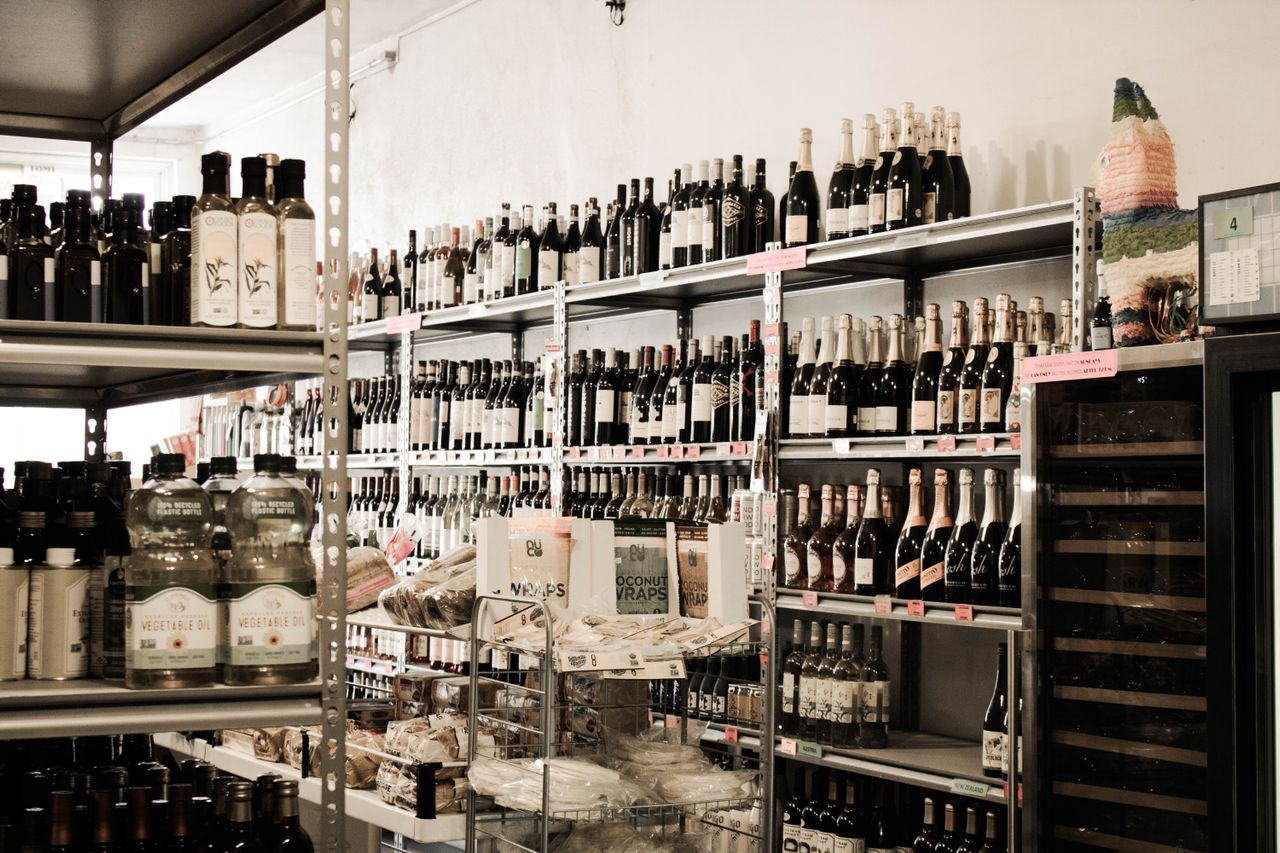
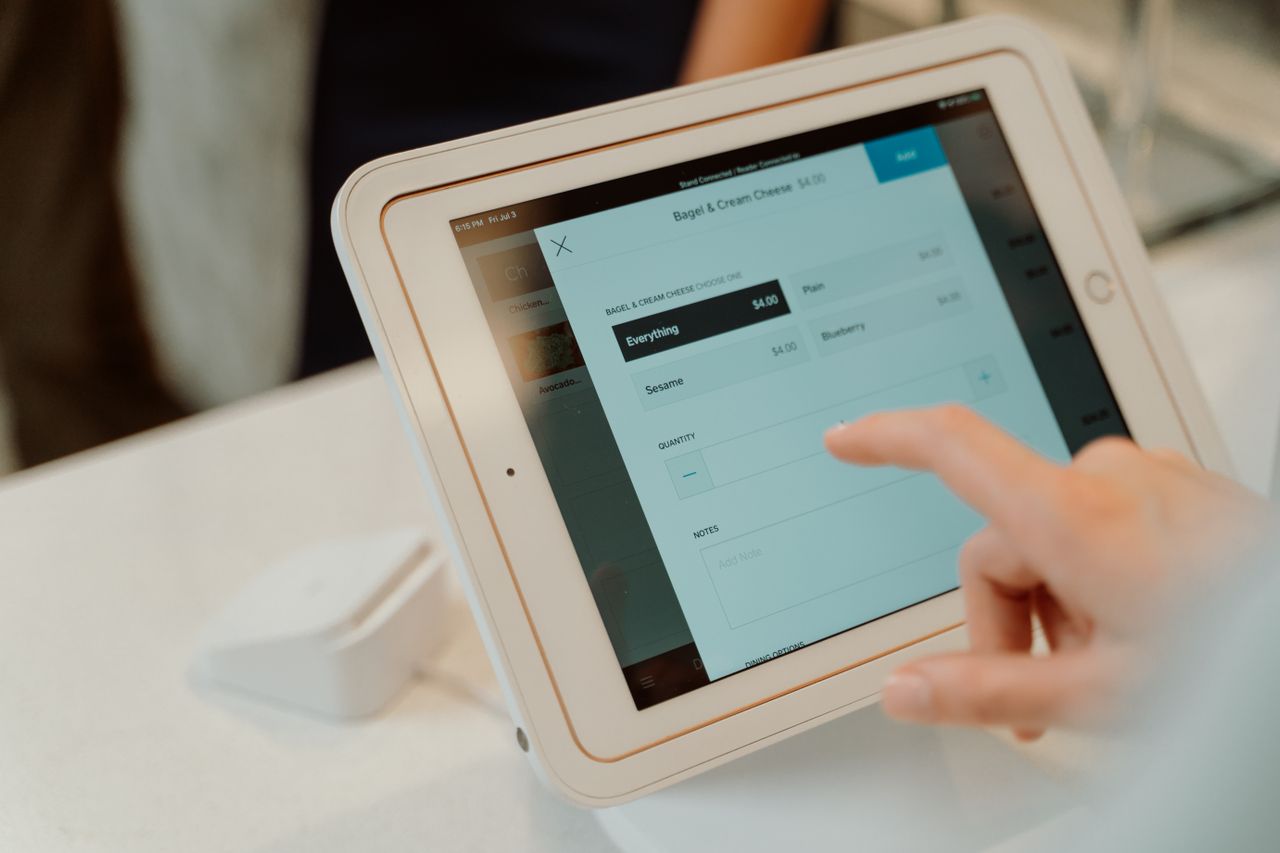
Ghost kitchens have transformed how restaurants operate, but many operators struggle to find technology built for their unique needs. If you're managing a delivery-only operation or running multiple virtual brands from a single kitchen, selecting the right POS system directly impacts your efficiency, order accuracy, and profit margins.
This Operators Daily guide compares 10 POS platforms for ghost kitchen operators in 2026, from direct-ordering specialists to enterprise systems built for franchise groups, with a focus on order aggregation, multi-brand support, and total cost of ownership.
Key Takeaways
- Ghost kitchens require POS systems with multi-channel order aggregation, Kitchen Display Systems (KDS), and delivery platform integrations that standard restaurant POS solutions often lack.
- Marketplace aggregation and direct-order delivery are different capabilities. Some platforms pull DoorDash and Uber Eats orders into one queue, while others, such as Tabski, focus on direct orders fulfilled by courier networks.
- Total cost of ownership extends beyond software fees. At $50,000 in monthly card volume, every 0.3-percentage-point difference in processing rates equals $150 a month, or $1,800 a year.
- Commission-free direct ordering is a major trend, helping operators avoid marketplace commissions on orders placed through their own channels.
- Entry-level options start at $9/month, while enterprise solutions offer advanced reporting and franchise-grade controls for high-volume operations.
Understanding Ghost Kitchens: A New Restaurant Model
What Defines a Ghost Kitchen?
A ghost kitchen, also called a cloud kitchen or dark kitchen, is a delivery-only food preparation facility with no dine-in space. These operations focus entirely on fulfilling orders from third-party delivery platforms like DoorDash, Uber Eats, and Grubhub, or through their own direct ordering channels.
The Rise of the Cloud Kitchen Concept
Ghost kitchens have grown alongside rising demand for off-premises dining and lower overhead compared to traditional restaurants. In its 2025 US off-premises research, the National Restaurant Association reported that nearly 75% of restaurant traffic is off-premises, a figure that includes takeout and drive-thru as well as delivery.
Operational Challenges Unique to Ghost Kitchens
Ghost kitchens face distinct challenges that traditional restaurants do not:
- Multi-channel order management: Orders arrive from multiple delivery apps simultaneously
- Virtual brand management: Many operators run several brands from one kitchen
- No front-of-house buffer: Every order goes directly to production without server intermediation
- Delivery coordination: Timing must sync with driver arrivals across multiple platforms
Why Your Ghost Kitchen Needs a Specialized POS System
Standard restaurant POS systems were built for dine-in service with servers, tables, and payment terminals at the counter. Ghost kitchens operate differently, requiring technology designed specifically for delivery-only workflows.
Beyond Basic Order Taking: Essential POS Functions for Virtual Restaurants
A ghost kitchen POS must handle:
- Order aggregation: Pulling orders from DoorDash, Uber Eats, Grubhub, and direct channels into one screen
- Kitchen routing: Directing orders to the correct prep stations based on brand or menu item
- Delivery timing: Pacing production to match driver arrival times
- Brand separation: Tracking sales, inventory, and performance by virtual brand
Key Challenges a Standard POS Can't Address
Traditional POS systems often require manual workarounds for multi-brand operations. This creates errors, slows production, and makes reporting unreliable. In a customer testimonial published by Square, Ricky Jaime of CT Cantina & Taqueria credits switching systems with saving two hours a day previously spent tracking down dropped tickets. That is one operator's experience, not a general benchmark.
When evaluating technology for your operation, consider how it integrates with your broader systems, including scheduling, workforce management, and delivery management software.
Key Features of the Best POS Systems for Ghost Kitchens
Seamless Online Ordering and Delivery Integration
The best ghost kitchen POS systems aggregate orders from all delivery platforms into a unified queue. This eliminates tablet chaos, where operators juggle 4-5 separate devices for different marketplaces.
Robust Inventory Management for Multiple Brands
When running multiple virtual brands from one kitchen, inventory tracking becomes complex. Items like chicken wings might appear on three different brand menus. Look for ingredient-level tracking that can account for shared ingredients across brands, and confirm how each vendor handles it.
Efficient Kitchen Display and Routing Systems
Kitchen Display Systems (KDS) are non-negotiable for ghost kitchens. Look for:
- Color-coded tickets by brand or platform
- Countdown timers for order accuracy
- Bump logic for completed items
- Capacity controls that adjust quoted prep times or pause orders when the kitchen is at capacity
Integrating Online Ordering and Delivery Platforms
Connecting with DoorDash, Uber Eats, and Grubhub
API integrations determine how smoothly orders flow from marketplaces to your kitchen. The best systems offer automatic order acceptance, menu synchronization, and status updates pushed back to delivery platforms. For a deeper look at aggregation tools, see our comparison of third-party delivery aggregators.
Managing Menus Across Multiple Online Channels
Menu management becomes critical when operating multiple brands. Changes to pricing, availability, or item descriptions should propagate to all channels from a single dashboard. Manual updates across separate platforms waste time and create inconsistencies.
Streamlining Order Fulfillment from Various Sources
Commission-free direct ordering has become a priority for ghost kitchen operators. Systems offering branded ordering pages help capture customer data and avoid marketplace commissions on orders placed through your own channels. Orders that still originate on marketplaces remain subject to those platforms' commissions.
Cost Analysis: Finding an Affordable POS System for Your Ghost Kitchen
Understanding Different Pricing Models
Ghost kitchen POS pricing varies significantly:
Pricing ComponentRangeNotesMonthly software fees0-500+Free tiers available from some vendorsPer-device fees20-60/monthKDS screens, additional terminalsPayment processingVaries by provider and planSquare's published card-present rates range from 2.4% + 15¢ to 2.6% + 15¢Hardware costs0-2,000+iPads, terminals, KDS screens
When Is a "Free" POS System Truly Free?
Free POS tiers typically recover costs through higher payment processing rates. A 0.3-percentage-point rate difference equals $150 a month, or $1,800 a year, at $50,000 in monthly card volume. Evaluate total cost of ownership, not just the monthly subscription.
Budgeting for Initial Setup and Ongoing Expenses
Plan for these cost categories:
- Year one: Software, hardware, implementation, training
- Ongoing: Monthly fees, processing rates, support costs
- Hidden costs: Integration fees, premium features, additional user licenses, and processing minimums
Evaluating POS Software: A Buyer's Guide for Ghost Kitchen Operators
Questions to Ask Before Committing
Before signing a contract, ask vendors:
- Does the system support multiple virtual brands natively, or through workarounds?
- Does it aggregate marketplace orders, handle direct orders only, or both?
- What delivery platform integrations are included versus add-on fees?
- Which functions work offline during internet outages, and which require connectivity?
- What is the total cost including processing fees at your volume?
- How long does implementation typically take?
Prioritizing Features Based on Your Needs
Your feature priorities depend on your operation:
- Single brand: Focus on delivery integration and kitchen efficiency
- Multi-brand: Prioritize native multi-brand support
- High volume: Emphasize reporting and scalability
- Multi-location: Look for centralized management and franchise controls
Top Contenders: Best POS Systems for Ghost Kitchens
We evaluated each platform based on order aggregation, multi-brand support, kitchen display and routing, published pricing, and fit for different ghost kitchen sizes. Here are the top options for ghost kitchen operators.
1. Tabski
Best for: Multi-brand ghost kitchens focused on direct ordering
Tabski offers native tools for managing multiple virtual brands, with separate menus, reporting, and ordering pages for each brand. It is designed for direct ordering and courier fulfillment and does not provide DoorDash or Uber Eats marketplace order aggregation.
Key Features
- Native multi-brand support with separate menus, reporting, and ordering pages per brand
- Unified KDS displaying all orders across brands in one queue
- On-demand courier dispatch for direct orders via DoorDash Drive and Uber Direct
- Automated brand-level payouts and settlement
- Order throttling by brand to prevent capacity oversell
Price
Custom pricing; contact sales for a quote.
Tabski reports that operators run 3x more brands from the same kitchen with 40% fewer order errors. These are vendor claims without a published methodology.
Strengths
- Purpose-designed multi-brand tools
- Brand-level payouts and throttling
- Courier dispatch for direct orders
Limitations
- No DoorDash or Uber Eats marketplace order aggregation
- Custom pricing requires contacting sales
- Newer platform with limited third-party reviews
2. Square for Restaurants
Best for: New ghost kitchens testing concepts or running hybrid operations
Square's ghost kitchen page describes support for multiple virtual concepts, separate online ordering pages, and orders flowing into Square KDS. Its free tier offers an accessible entry point for operators testing the ghost kitchen model.
Key Features
- Square KDS at $30 per device/month on Plus or $20 per device/month on Premium (not available on Free)
- Online ordering with commission-free setup
- Marketplace integrations for DoorDash and Uber Eats via Deliverect
- Hardware flexibility using existing iPads or Square terminals
- Offline functionality for certain local POS and payment workflows; offline payments must be processed after reconnection, and online order intake and delivery integrations require connectivity
Price
Free at $0/month (2.6% + 15¢); Plus at $49/month per location (2.5% + 15¢); Premium at $149/month per location (2.4% + 15¢), at standard card-present rates.
Strengths
- Free entry tier with no long-term contract
- Support for multiple virtual concepts and ordering pages
- Broad hardware ecosystem
Limitations
- KDS requires a paid plan and adds a per-device cost
- Confirm requirements for separate settlements, brand reporting, and shared inventory
- Marketplace aggregation relies on the Deliverect integration
3. Toast POS
Best for: Growth-stage and enterprise ghost kitchens with high order volume
Toast offers sales, menu mix, and labor reporting along with kitchen capacity controls that extend quoted preparation times and remove fully booked fulfillment slots. Advanced quote-time strategies require Toast's Digital Storefront Suite.
Key Features
- Sales, menu mix, and labor reporting
- KDS with timers and expo station support
- Kitchen capacity controls that extend quoted prep times and remove fully booked fulfillment slots
- CRM and loyalty available within the Toast ecosystem
Price
Custom quote required for ghost kitchen configurations. Toast's published plans include a $0/month Starter Kit and a $69/month Point of Sale plan; Digital Storefront Suite and other add-ons cost extra.
Toast holds a 4.2/5 rating on G2 from 372 reviews (as of October 2026).
Strengths
- Detailed reporting for high-volume operations
- Capacity-based timing controls
- Broad restaurant ecosystem
Limitations
- Higher pricing as add-ons accumulate
- Proprietary hardware required
- Advanced quote-time strategies require Digital Storefront Suite
4. Delivety
Best for: Budget-conscious operators seeking white-label branding
Delivety offers a white-label ordering and operations platform with flat monthly pricing and no commissions on direct orders.
Key Features
- Browser-based deployment without native app requirements
- Flat-fee pricing with no commissions on direct orders
- End-to-end tools: branded ordering site, operator dashboard, KDS, assembly dashboard, and Courier WebApp
- Granular workflow configuration with station assignments and progress timers
- Driver tools via mobile-web portal
Price
Plans start at $9/month for up to 1,000 orders; $49/month for up to 5,000 orders, and $99/month for up to 10,000 orders.
Strengths
- Low entry price with published order tiers
- White-label branding and full operator ownership of direct-order channels
- Integrated KDS, assembly, and courier tools
Limitations
- Avoids commissions only on direct orders; marketplace orders remain subject to marketplace commissions
- Limited independent reviews
- Less established than major players
5. Otter POS
Best for: QSR and fast-casual format ghost kitchens prioritizing speed
Otter offers a counter-service POS with delivery-app aggregation available on its Advanced and Professional bundles. Otter advertises free seven-day onboarding and 24/7 support.
Key Features
- Purpose-built for counter-service formats
- Delivery-app aggregation into a single queue (Advanced and Professional bundles)
- Kiosk and KDS available as separate products
- Loyalty, website builder, and gift cards on the Professional bundle
Price
Starter at $79/month per location; Advanced at $178/month (adds delivery-app aggregation, online ordering, and QR code ordering); Professional at $278/month (adds website builder, loyalty, and gift cards). Transaction fees apply, a $100 monthly minimum processing fee applies to locations under $25,000 in monthly card volume, and hardware leases require a 24-month contract.
Strengths
- Published per-location pricing
- Aggregation included from the Advanced bundle up
- Free onboarding and 24/7 support advertised
Limitations
- Aggregation is not included in the Starter bundle
- Minimum processing fee for lower-volume locations
- Newer entrant in the POS space
6. Blogic Systems
Best for: High-volume operations focused on processing cost reduction
Blogic Systems offers centralized multi-brand menu management and a KDS with brand- and platform-based color coding for cloud kitchens.
Key Features
- Centralized multi-brand menu management from a single dashboard
- Automatic order consolidation from Uber Eats, DoorDash, and Grubhub
- Color-coded KDS tickets by brand or platform, with station routing, countdown timers, and bump sequencing
- Offline capability for local POS functions; online order intake requires connectivity
- Custom feature builds for specific workflow needs
Price
Custom pricing. Blogic offers traditional processing at custom rates and a ZeroPay program advertised to offset up to 100% of processing fees; confirm eligibility, fee structure, and online-order applicability.
Strengths
- Multi-brand menu management and marketplace consolidation
- Detailed KDS routing and timers
- Processing-cost offset program available
Limitations
- ZeroPay eligibility and applicability to online orders must be confirmed
- Pricing not published
- Limited market presence and independent reviews
7. Lightspeed Restaurant
Best for: International ghost kitchen operations
Lightspeed Restaurant offers an open API, an app marketplace with delivery partners, and documented foreign-currency cash handling along with regional digital-wallet support.
Key Features
- Open API and app marketplace for integrations
- Foreign-currency cash handling and regional digital-wallet support
- Delivery partner integrations through the app marketplace
- Advanced inventory available as an add-on
Price
Starter at $69/month, Essential at $189/month, and Premium at $399/month; KDS at $30 per screen per month. Confirm payment methods and inventory capabilities for your country and plan.
Lightspeed Restaurant holds a 4.3/5 rating on G2 from 55 reviews (as of October 2026).
Strengths
- International payment and currency options
- Extensive integration marketplace
- Published, tiered pricing
Limitations
- Shared inventory across virtual brands is not documented as a native workflow
- Multi-currency support varies by tender type and country
- KDS and advanced inventory add to the base price
8. Revel Systems
Best for: Franchise operations scaling across many locations
Revel Systems is an enterprise iPad POS with franchise-grade customization for fast-casual and QSR chains, including centralized menu controls and delivery management through its Delivery XT offering.
Key Features
- Multi-location menu controls with updates across sites
- Delivery dispatch, driver tracking, and customer SMS and email updates through Delivery XT
- Offline mode for iPads during internet outages (confirm current availability)
- Centralized field operations controlled from headquarters
Price
Custom enterprise pricing; confirm whether Delivery XT and the required implementation package are included.
Strengths
- Franchise-grade multi-location controls
- Delivery management through Delivery XT
- Centralized administration
Limitations
- High total cost of ownership with required implementation package
- Delivery dispatch requires the Delivery XT offering
- More than single-location operators typically need
9. Rezku POS
Best for: Delivery-only operations seeking budget-friendly solutions
Rezku offers branded online ordering, a paced to-go queue, and remote sales and labor management for delivery-only operations.
Key Features
- Fully branded online ordering menus
- Third-party delivery integrations on a unified screen
- Phone ordering with CallerID.com integration
- To-go order queue with pacing controls
- Live sales and labor dashboard with remote smartphone access
Price
Basic at $99/month for up to three POS stations, with a separate promotional hardware price of $19/month per station.
Strengths
- Delivery-focused workflows
- Branded ordering and phone-order support
- Remote management tools
Limitations
- Hardware priced separately from software
- Less established review presence
10. Clover
Best for: Single-brand ghost kitchens needing flexibility to expand
Clover offers flexible hardware and an App Market with hundreds of integrations, making it a general-purpose option for single-brand operations.
Key Features
- App Market with hundreds of integrations
- Flexible hardware options including countertop, mobile, and handheld
- Built-in inventory management
Price
Pricing varies by plan, hardware bundle, and seller; request a dated quote for current rates and terms.
Clover holds a 3.8/5 rating on G2 from 109 reviews (as of October 2026).
Strengths
- Range of hardware form factors
- Large app marketplace
- Flexibility to expand into other business models
Limitations
- Not ghost kitchen-optimized; lacks native multi-brand support
- Pricing and terms vary by seller
Beyond the Sale: Implementation and Ongoing Management
Smooth Rollout: Getting Your Ghost Kitchen POS Up and Running
Implementation timelines vary from same-day for cloud-based systems to several weeks for enterprise solutions. Plan for:
- Hardware procurement and setup
- Menu programming across all brands and channels
- Integration configuration with delivery platforms
- Staff training on new workflows
Training Your Team for Maximum Efficiency
Effective training reduces errors and speeds ticket times. Focus on:
- Order flow from intake to fulfillment
- KDS usage and bump procedures
- Troubleshooting common issues
- Emergency offline procedures, including which channels stop accepting orders without connectivity
For comprehensive guidance on training hourly workers, see our staff training best practices.
Ensuring Data Security and System Reliability
POS systems handle sensitive payment data. Verify your chosen system includes:
- PCI DSS compliance
- Regular security updates
- Data backup procedures
- Uptime guarantees
The Bottom Line
The best ghost kitchen POS depends on where your orders come from and how many brands you run. Operators focused on direct ordering across several virtual brands can look at Tabski's brand-level tools, while kitchens that depend on marketplace orders should prioritize aggregation through platforms like Otter's Advanced bundle, Blogic, or Square with Deliverect. High-volume and franchise operations have deeper reporting and central controls in Toast and Revel, international operators can consider Lightspeed, and budget-conscious or single-brand kitchens can compare Delivety, Rezku, Square's free tier, and Clover.
Before you commit, map your current order mix between marketplace and direct channels, then confirm in writing which channels each vendor aggregates, which features sit in higher bundles, and which processing minimums or contract terms apply. Run a mock rush with orders from several brands and channels in each demo.
To compare direct-ordering options on their own, see our guide to online ordering systems.
Frequently Asked Questions
What is a ghost kitchen and how does it differ from a traditional restaurant?
A ghost kitchen is a delivery-only food preparation facility with no dine-in seating. Unlike traditional restaurants, ghost kitchens focus entirely on fulfilling delivery orders and often operate multiple virtual brands from a single location. This model reduces overhead costs by eliminating front-of-house expenses like servers, furniture, and customer-facing real estate.
Do all ghost kitchens need a specialized POS system, or can I use a standard one?
While standard restaurant POS systems can technically work for ghost kitchens, they typically require workarounds for multi-channel order aggregation and multi-brand management. Specialized ghost kitchen POS systems offer native features for delivery integration, brand separation, and kitchen routing that improve efficiency and reduce errors.
What are the most critical features to look for in a ghost kitchen POS?
The most critical features are multi-channel order aggregation (pulling orders from all delivery apps into one screen), Kitchen Display Systems with color-coded routing, delivery platform integrations, and inventory tracking across virtual brands. For operators running multiple concepts, native multi-brand support is essential.
How much does a good POS system for a ghost kitchen typically cost?
Costs range from free (with higher processing fees) to $500+ monthly for enterprise solutions. Published software plans in this guide range from $9/month (Delivety) to $399/month (Lightspeed Premium), with 20-60/month per additional device, processing fees that vary by provider and plan, and 0-2,000 for hardware. Watch for processing minimums and contract terms, since total cost of ownership matters more than the monthly subscription alone.
How do ghost kitchen POS systems integrate with third-party delivery apps like DoorDash?
Integration occurs through APIs that connect your POS to delivery platforms. Orders placed on DoorDash, Uber Eats, or Grubhub automatically appear in your POS queue without manual entry, and the best systems also sync menu updates, availability changes, and order status back to delivery platforms. Some direct-ordering platforms, such as Tabski, instead use delivery networks like DoorDash Drive and Uber Direct for courier fulfillment without pulling in marketplace orders.
Join multi-unit operators getting practical guides and no-nonsense software breakdowns across hiring, onboarding, scheduling, payroll, compliance, and what's shifting in the industry.
Free. One email a week. Unsubscribe anytime.