Best Free Marketing Tools for Restaurants


Operators Daily is where multi-unit restaurant and hourly-workforce operators get smart, fast — practical guides and no-nonsense software comparisons across hiring, onboarding, scheduling, payroll, and compliance.
Popular articles
Restaurant marketing spans local search, reviews, social media, email, content creation, and analytics, and paid tools for each channel can add up quickly. For independent restaurants and multi-unit operators alike, free plans and free features offer a practical way to cover the basics without adding new subscriptions, provided you understand the limits that come with them.
This guide reviews free marketing tools and resources for restaurants, from Google Business Profile and Meta Business Suite to Mailchimp, Canva, and Google Analytics 4. It explains what each free option includes, where paid upgrades or fees apply, and how to choose the right mix for your operation.
Key Takeaways
- Google Business Profile is a foundational tool. It helps customers find your restaurant on Search and Maps, though local rankings also depend on relevance, distance, and prominence.
- Email marketing can support repeat visits. Results vary by audience and campaign, so track clicks, bookings, orders, and attributable revenue rather than relying on a universal ROI or open-rate benchmark.
- Free tools can cover basic marketing tasks. Free tiers exist across major marketing channels, but contact limits, channel limits, user restrictions, and paid-only features may matter even for a single location.
- Content creation no longer requires design skills. Tools like Canva and AI assistants let any team member produce professional marketing materials.
- Google Analytics 4 is free and can show which marketing efforts drive orders and reservations when the relevant events and integrations are configured.
Unlocking Restaurant Success with Free Digital Marketing Tools
Accurate online information helps diners assess your menu, location, hours, and customer feedback before visiting. For multi-unit operators managing several locations, this reality makes digital marketing tools essential, not optional. The good news? Many useful marketing tools for restaurant operators offer free plans or free features.
Whether you run a single location or manage a growing restaurant group, building a strong online presence does not require a massive marketing budget. Free digital tools now provide capabilities that once required a dedicated marketing department. At Operators Daily, we focus on helping restaurant operators find practical solutions that fit real-world constraints.
This guide covers 17 marketing tools and resources with free features or access included in an existing service, organized by function: local SEO, social media, email marketing, content creation, analytics, and delivery optimization. Compare each tool's current pricing, account limits, and location-management capabilities before adopting it.
Why Digital Marketing is Crucial for Restaurants
Research by Michael Luca of Harvard Business School, using Washington State restaurant data, found that a one-star increase in Yelp rating increased revenue by 5–9% for independent restaurants; the study did not find the same effect for chain-affiliated restaurants. Local searches can help nearby diners discover your restaurant, making accurate location and opening-hour information important. Without a strong digital presence, these potential guests may have a harder time finding you.
The Power of Free Tools in a Competitive Market
Free plans can cover basic marketing tasks, but contact limits, channel limits, user restrictions, and paid-only features may matter even for a single location. Review each tool's free-tier limits against your current needs before building your marketing workflow around it.
Leveraging Local SEO and Google Business Profile for Restaurant Visibility
Local SEO determines whether hungry customers find you or your competitor. These free tools form the foundation of restaurant discoverability.
1. Google Business Profile
Best for: Every restaurant, regardless of size or concept
Google Business Profile helps customers find your restaurant on Search and Maps. Complete, accurate information can support visibility, but local rankings also depend on relevance, distance, and prominence.
Key Features
- Manage business information displayed on Google Search and Maps
- Free review management and response capabilities
- Posts for specials, events, and updates
- Text-message or WhatsApp contact options for eligible profiles in supported regions
- Photo uploads showcasing your food and space
Price
Free to claim and manage.
Strengths
- No cost to create and maintain a profile
- Appears on Google Search and Maps
- Built-in review responses and posting
Limitations
- Local rankings also depend on relevance, distance, and prominence, not profile completeness alone
- Messaging options vary by region and profile eligibility
- Requires ongoing upkeep to keep hours, photos, and posts current
Getting Started: Claim your profile at business.google.com, fill every available field, and commit to posting weekly and responding to every review.
2. Yelp for Business
Best for: Restaurants in metropolitan markets
Yelp for Business lets restaurants claim and manage their Yelp listing. Yelp users are high-intent, meaning they are actively searching for somewhere to eat. While Yelp's paid advertising receives mixed reviews from operators, the free listing and review management tools remain valuable.
Key Features
- Claim and optimize your business page
- Respond to reviews directly
- Add photos and detailed menu information
- Access basic analytics on profile views and customer actions
Price
Free business listing. Optional Yelp Ads are billed per click within your selected advertising budget.
Strengths
- Free listing and review responses
- Basic analytics on profile activity
- Reaches diners actively searching on Yelp
Limitations
- Advertising costs depend on clicks and your selected budget
- Value may vary by market
3. QR Code Generator
Best for: Increasing review volume at all locations
Review acquisition is a volume game. Free QR code generators like QR Code Monkey let you streamline the review collection process by placing direct links to your Google review form on table tents, receipts, and takeout packaging.
Key Features
- QR codes that link directly to your review form
- Printable codes for table tents, receipts, and takeout packaging
Price
Free to generate codes.
Strengths
- No cost to create codes
- Easy to deploy across all locations
Limitations
- Generates links only; does not collect or manage reviews
- Follow each review platform's policies on requesting reviews
Pro Tip: Place QR code stickers in bathrooms where customers have a moment to leave feedback.
4. Visibility Diagnostic Tools
Best for: Multi-location operators needing strategic direction
Free visibility audits like the one offered by Malou scan your online presence across channels such as Google Maps, search, and social media. Visibility audits can identify potential improvements to your restaurant's online presence. The scope and number of recommendations vary.
Key Features
- Scan of your online presence across multiple channels
- Suggested improvements to prioritize
Price
Strengths
- No-cost starting point for identifying visibility gaps
- Useful for comparing locations
Limitations
- Scope and number of recommendations vary
- Audit providers may promote their own paid services
Boosting Your Brand with Free Social Media Marketing Tools
Consistent social media presence drives discovery, but manual posting across multiple platforms drains time. These free tools automate the process.
1. Meta Business Suite
Best for: Restaurants active on Facebook and Instagram
Meta Business Suite is a free tool for managing Facebook and Instagram business accounts. It lets you manage supported Facebook and Instagram content from one dashboard, subject to account permissions and publishing restrictions.
Key Features
- Schedule posts for both Facebook and Instagram
- Track content performance metrics
- Manage messages and insights from a single dashboard
Price
Free for Facebook business pages and connected Instagram accounts.
Strengths
- No paid tier required for core functionality
- Combines Facebook and Instagram publishing, messages, and insights
Limitations
- Limited to Meta platforms
- Subject to account permissions and publishing restrictions
2. Buffer
Best for: Operators managing up to three social accounts
Buffer offers a simple interface for social media scheduling. Buffer counts social channels, not restaurant locations, so three locations with separate Facebook and Instagram accounts would require six channels.
Key Features
- Schedule posts across Instagram, Facebook, TikTok, and LinkedIn
- Visual content calendar for planning
- Basic analytics to track engagement
- Browser extension for quick sharing
Price
Free for 3 channels and 1 user, with up to 10 scheduled posts per channel at a time. Essentials starts at $5 per channel per month when billed annually.
Strengths
- Free plan supports multiple social platforms
- Visual calendar for planning content
Limitations
- Free plan limited to 3 channels and 1 user
- Up to 10 scheduled posts per channel at a time; slots open again after publication
- Multi-location operators may quickly exceed the channel limit
3. Linktree
Best for: Restaurants with active social media presence
Linktree combines your menu, reservations, delivery options, and job applications on one landing page. Instagram also supports up to five links directly in a profile.
Key Features
- Unlimited links on free plan
- Works on all social platforms
- Basic analytics, with 28 days of Insights history on the Free plan
- Customizable appearance
Price
Free plan available. Check Linktree's current regional pricing for paid plans.
Strengths
- One shareable link for multiple destinations
- Works across social platforms and locations
Limitations
- Free analytics history is limited
- Paid plan pricing varies by region
Connecting with Customers: Best Free Email Marketing Software for Restaurants
Email can support repeat visits and promotions, but results vary by audience and campaign. Track clicks, bookings, orders, and attributable revenue rather than relying on a universal ROI or open-rate benchmark.
1. Mailchimp
Best for: Restaurants starting to build their email list
Mailchimp provides tools for creating email campaigns and managing a small audience. The free tier works for operators just getting started with email marketing.
Key Features
- Drag-and-drop email builder with templates
- Email campaign creation and reporting; automated sequences require an eligible paid plan
- Audience segmentation
- Performance tracking (open rates, click-through rates)
Price
Free for up to 250 contacts and 500 email sends per month, with a daily limit of 250 sends.
Strengths
- Free plan for getting started with email campaigns
- Built-in campaign reporting
Limitations
- The current Free plan allows up to 250 contacts and 500 monthly sends, which may require upgrading as your audience or sending frequency grows
- Marketing automation flows require a paid plan
- Free plan includes one user and one audience
2. Brevo (formerly Sendinblue)
Best for: Restaurants with larger lists who want to stay on a free tier
Brevo offers a more generous free tier than Mailchimp in terms of total sends, though with a daily cap. It includes email templates, basic automation, and CRM functionality.
Key Features
- 300 email sends per day, storage for up to 100,000 contacts, and marketing automation for up to 2,000 contacts
- SMS marketing available through a paid add-on
- Drag-and-drop editor
- Transactional email capability
Price
Free for 300 emails per day; paid plans start at $9/month.
Strengths
- Larger free contact storage than many free plans
- Includes basic automation and CRM tools
Limitations
- The daily sending cap can make a time-sensitive campaign to a larger list impractical
- Automation limited to 2,000 contacts on the free plan
- SMS campaigns require a paid add-on
Content Creation on a Shoestring: Free Tools for Restaurant Marketing Assets
Professional-looking content no longer requires a designer on staff. These free tools let anyone create marketing materials.
1. Canva
Best for: Creating menus, social posts, flyers, and signage
Canva is a design platform for creating marketing materials. Canva Free includes drag-and-drop design and templates for different formats. Automatically resizing an existing design with Magic Resize requires an eligible plan.
Key Features
- Drag-and-drop design for users without design experience
- Templates for menus, social posts, flyers, and in-store signage
- One Brand Kit with three colors on the free plan
Price
Free plan available. The pricing page currently lists Pro at US$144 per year for one person; confirm local monthly pricing before purchasing.
Strengths
- Large template library for restaurant marketing formats
- Accessible to team members without design skills
Limitations
- Magic Resize requires an eligible paid plan
- Free Brand Kit is limited to three colors, which may constrain multi-location brand consistency
2. ChatGPT and AI Tools
Best for: Content ideation, menu descriptions, review responses
AI can reduce creative workload when used correctly. Free AI tools help with social post ideas, email copy, menu descriptions, and responding to reviews with appropriate keywords.
Key Features
- Instant content drafts and ideas
- Review response generation
- Menu description optimization
- Competitive research and trend analysis
Price
Free tiers available for ChatGPT, Claude, and Perplexity.
Strengths
- Speeds up drafting for social, email, and menu copy
- Free tiers available from multiple providers
Limitations
- Free tiers may have usage limits
- Drafts need review for accuracy and brand voice before publishing
3. Unsplash
Best for: Filling content gaps without expensive photoshoots
Professional-grade photography is available at no cost through the free Unsplash collection. While original photos of your dishes are always preferable, use stock photography for generic illustrations or backgrounds, without presenting it as a photograph of a dish your restaurant actually serves.
Key Features
- Free collection of professional-grade images
- Commercial use permitted under the Unsplash License
Price
Images in the free Unsplash collection can be used commercially under the Unsplash License. Unsplash+ content requires a paid subscription.
Strengths
- No cost for images in the free collection
- Useful for backgrounds and generic visuals
Limitations
- Stock images should not be presented as your own dishes
- Unsplash+ content requires a paid subscription
4. Food Holiday Marketing Calendar
Best for: Year-round content planning
From National Burger Day to Vegan Month, food holidays provide ready-made content hooks. Free food-holiday calendars can provide campaign ideas. Choose a current calendar for your market and verify relevant dates before scheduling promotions.
Key Features
- Lists of food-related observances for content planning
- Ideas for limited-time offers and campaign launches
Price
$0 (free download).
Strengths
- Ready-made content hooks throughout the year
- Helps teams plan campaigns in advance
Limitations
- Food observances vary by country and publisher
- Dates should be verified before scheduling promotions
Understanding Your Audience with Free Analytics and Customer Feedback Tools
You cannot improve what you do not measure. These free analytics tools show what is working and what is not.
1. Google Analytics 4
Best for: Every restaurant with a website
Google Analytics 4 is a free web analytics platform. GA4 can report on traffic sources and attributed orders or reservations when the relevant events and integrations are configured. Tracking third-party ordering systems and activity across devices may require additional setup.
Key Features
- Website traffic source tracking
- Conversion tracking for online orders and reservations when events are configured
- Integration with Google Ads
- Cross-device measurement, depending on identifiers and configuration
Price
Free.
Strengths
- No cost for core analytics
- Connects with Google Ads
Limitations
- Order and reservation tracking requires event setup and integration
- Third-party ordering and booking domains may need additional configuration
Getting Started: Setup time depends on your website and ordering or reservation systems. Configure and test the relevant events before relying on conversion reports. Visit analytics.google.com and follow the GA4 setup wizard.
Free Website and Online Presence Tools for Restaurant Owners
1. Square
Best for: Counter-service and QSR concepts
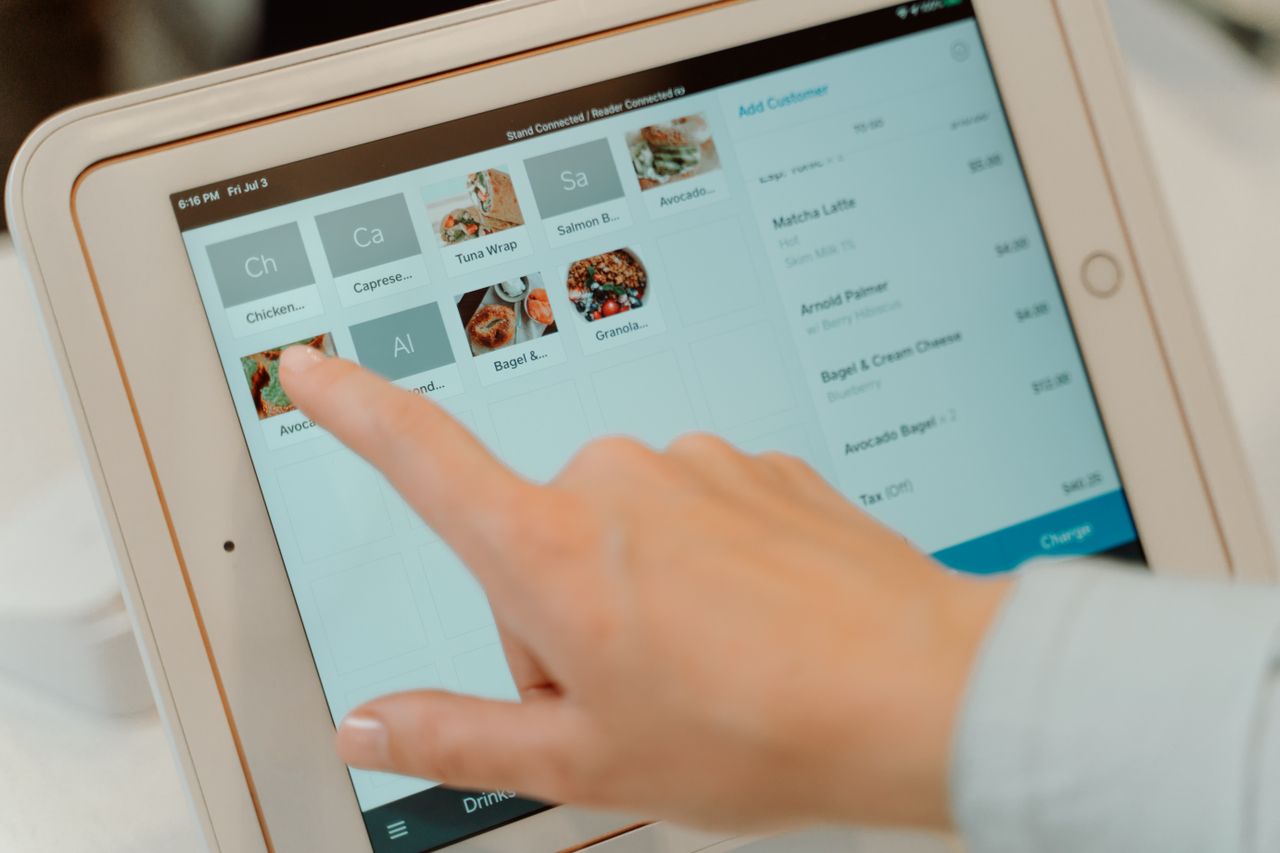
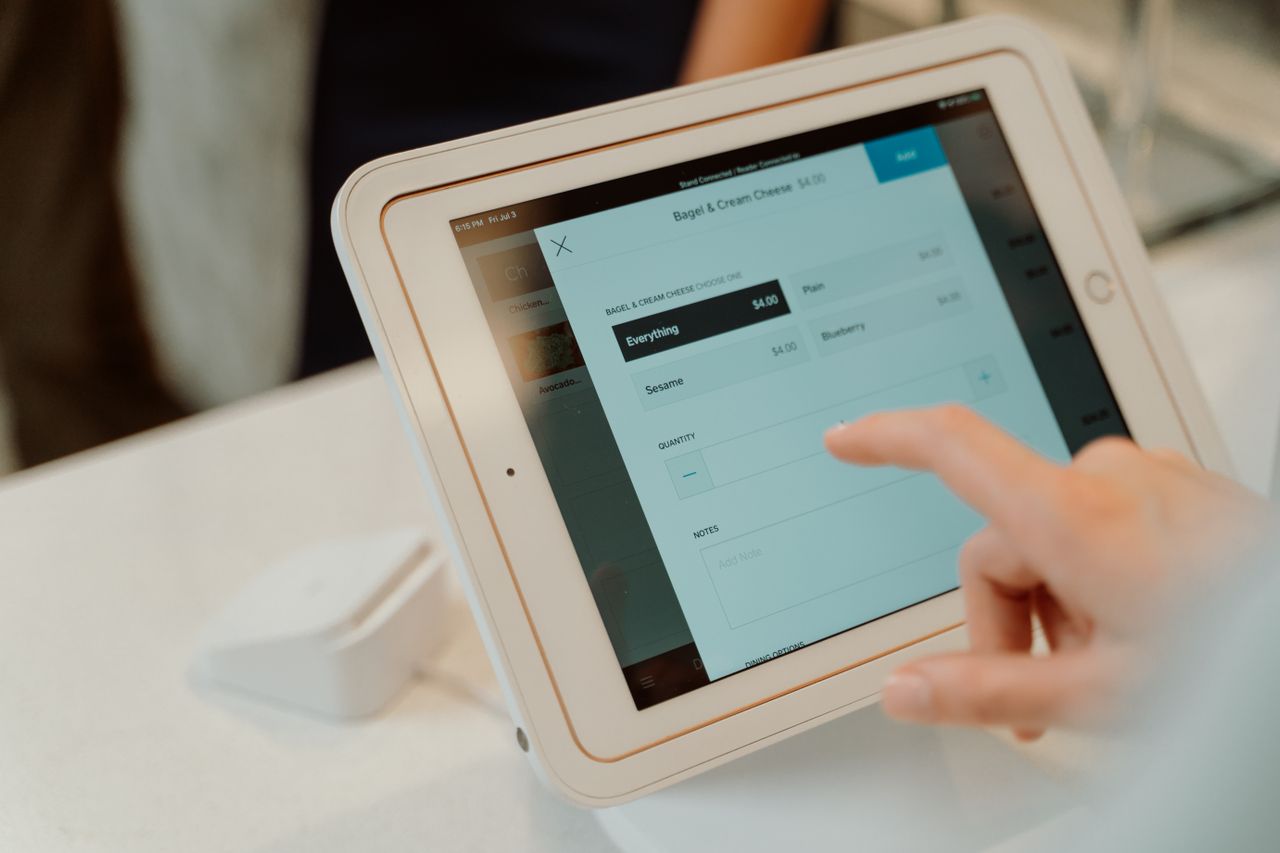
Square offers POS software without a monthly subscription fee on its Free plan, along with customer database tools and online ordering.
Key Features
- Free POS software
- Customer database management; email marketing campaigns require an eligible paid plan or subscription
- Online ordering capability
Price
Square Free has no monthly subscription fee. Standard U.S. in-person card processing is 2.6% + 15¢; online and other payment methods have different rates.
Strengths
- No monthly software fee on the Free plan
- Customer records built into the POS
Limitations
- Card processing fees apply
- Email marketing campaigns require a paid plan or subscription
Operational Efficiency and Marketing Support for Multi-Unit Restaurants
If you are already on third-party delivery platforms, their free dashboards offer marketing insights you can use to target promotions and improve listings.
1. DoorDash Business Manager
Best for: Restaurants already on DoorDash
DoorDash Business Manager provides insights into ordering patterns, new and returning customers, and the geographic areas generating orders. Online Ordering by DoorDash offers commission-free direct ordering, with payment-processing fees.
Key Features
- Ordering-pattern insights
- New and returning customer data
- Geographic order insights
Price
Free dashboard. Standard U.S. Marketplace delivery commissions are 15%, 25%, or 30%, depending on plan. Pickup orders generally carry a 6% commission.
Strengths
- Free insights for restaurants already on DoorDash
- Commission-free direct ordering option, with payment-processing fees
Limitations
- Marketplace commissions apply to each order
- Insights cover DoorDash orders only
2. Uber Eats Manager
Best for: Restaurants already on Uber Eats
Uber Eats Manager provides free menu analytics that show which items sell and which do not. Photo management tools let you update listing images to improve conversion rates.
Key Features
- Menu item sales analytics
- Photo management for listing images
Price
Free dashboard. Standard U.S. Marketplace delivery fees are 20%, 25%, or 30%, depending on plan, with market-specific exceptions. Pickup fees are 7% with validated in-store pricing, or 10% otherwise.
Strengths
- Free menu analytics for restaurants already on Uber Eats
- Listing photo management
Limitations
- Marketplace fees apply to each order
- Insights cover Uber Eats orders only
How Streamlined Operations Support Marketing Efforts
Marketing execution becomes easier when operations run smoothly. When your scheduling software handles shift management efficiently, managers have more time for marketing tasks. Similarly, streamlined onboarding processes mean new hires get up to speed faster, reducing the operational chaos that often derails marketing initiatives.
Multi-unit operators juggling multiple locations benefit from reviewing workforce management software options that free up time for strategic marketing work.
The Bottom Line
Each free tool covers a different part of restaurant marketing. Google Business Profile, Yelp, and QR codes support local discovery and reviews, while Meta Business Suite, Buffer, and Linktree help with social media. Mailchimp suits restaurants starting a small email list, and Brevo fits larger lists that can work within a daily sending cap. Canva, AI tools, and Unsplash support content creation, GA4 handles measurement once configured, and delivery dashboards add insights for restaurants already on those platforms.
Before building your marketing stack, list the channels, contacts, and locations you need to cover, then compare them against each tool's free-plan limits. Confirm which features require a paid plan, test your workflow on the free tier, and track results such as bookings and orders so you know when an upgrade is worth the cost.
Frequently Asked Questions
What are the most essential free marketing tools for a new restaurant?
Start with three foundations: Google Business Profile for local visibility, Canva for creating marketing materials, and either Mailchimp or Brevo for building your email list. These three tools cover discoverability, content creation, and customer retention on their free plans.
How can free social media tools specifically help multi-unit restaurant operators?
Free scheduling tools like Meta Business Suite and Buffer allow marketing teams to maintain consistent posting across locations without manually logging into each account. Buffer's free plan counts social channels rather than locations, so check whether your accounts fit within its three-channel limit. Link-in-bio tools like Linktree also work across all locations with a single setup.
Is it possible to manage all restaurant marketing with only free tools, or do paid tools become necessary?
For single-location restaurants and small groups, free tools can handle many basic marketing needs, but contact limits, channel limits, user restrictions, and paid-only features may matter even for a single location. Paid tools typically become necessary when you exceed free tier limits (such as Mailchimp's 250-contact Free plan), need features like marketing automation, or manage enough locations that the time savings justify the cost.
What is the best way to integrate different free marketing tools for maximum impact?
Create a simple workflow: Use a food holiday calendar to plan content themes, Canva to design assets, ChatGPT to draft copy, Buffer or Meta Business Suite to schedule posts, and Google Analytics to measure results. Review your analytics monthly and adjust your content based on what performs best.
How can I use free tools to gather customer feedback and improve my restaurant's offerings?
Place QR codes linking to your Google review page on receipts and table tents. Monitor reviews weekly through Google Business Profile and Yelp dashboards. Use Google Analytics to see which menu pages get the most views. For direct feedback, free survey tools like SurveyMonkey's basic tier let you create simple customer satisfaction surveys.
Join multi-unit operators getting practical guides and no-nonsense software breakdowns across hiring, onboarding, scheduling, payroll, compliance, and what's shifting in the industry.
Free. One email a week. Unsubscribe anytime.