Best Free POS Systems for Restaurants


Operators Daily is where multi-unit restaurant and hourly-workforce operators get smart, fast — practical guides and no-nonsense software comparisons across hiring, onboarding, scheduling, payroll, and compliance.
Popular articles
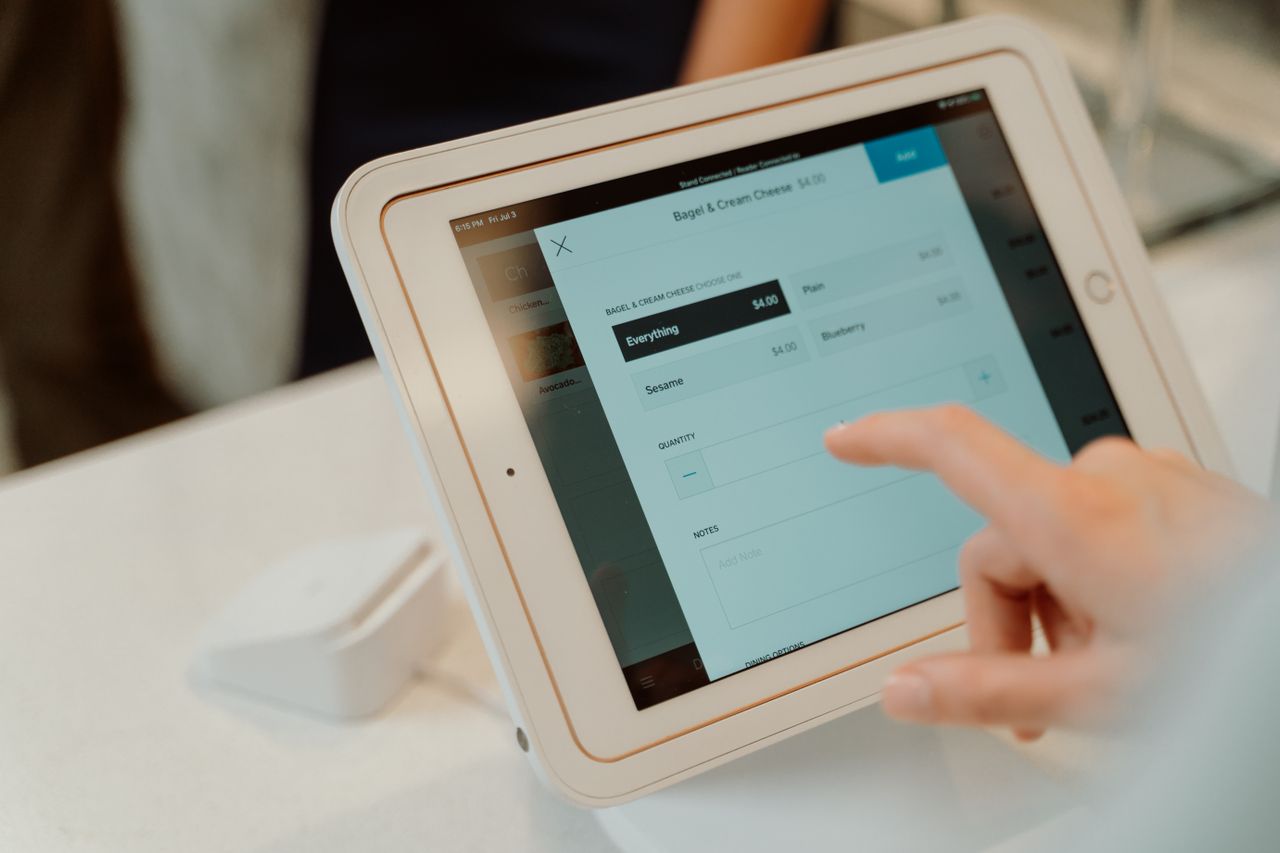
Payment processing is where most "free" restaurant POS software actually makes its money. A platform advertised at $0 per month can still cost thousands of dollars a year once card rates, per-transaction fees, hardware commitments, and contract terms are factored in. For operators running on thin margins, the meaningful comparison is not the subscription line item but the total configured cost of running the system.
This guide breaks down the leading free restaurant POS options, explains what each platform actually includes at $0, and outlines how to evaluate processing costs, hardware requirements, and multi-location capabilities before committing.
Key Takeaways
- "Free" POS systems typically generate revenue through payment processing rather than software fees. At $15,000 in monthly card sales, a 2.6% rate equals $390 in percentage fees alone, before per-transaction charges.
- Square for Restaurants offers a balanced free tier with table management, unlimited users, multiple locations, and no long-term contract.
- Loyverse POS provides payment processor flexibility, allowing operators to select their own provider where integrated options are available.
- Open-source options like Floreant POS eliminate vendor software fees entirely but require technical setup and self-managed support.
- Multi-unit operators should prioritize centralized reporting and multi-location management when evaluating free POS systems.
- A 0.5 percentage-point difference in processing costs on $15,000 of monthly card volume equals roughly $900 per year, excluding differences in per-transaction fees.
Understanding "Free": What to Expect from Free Restaurant POS Software
Understanding what "free" actually covers can be the difference between a smart technology decision and an expensive one. Whether you're managing a single location or multiple units, choosing the right POS system requires weighing both upfront costs and ongoing expenses, similar to evaluating scheduling software for restaurants.
Free restaurant POS software typically falls into three categories:
- Freemium models: $0 monthly software fees with revenue generated through payment processing (Square, Toast)
- Open-source solutions: Free software with no vendor fees, requiring self-hosting and setup (Floreant, Odoo)
- Hardware-subsidized plans: Equipment provided at no upfront cost in exchange for processing commitments (Toast Starter Kit, SpotOn)
The real cost of any "free" POS system comes down to processing fees. At $15,000 in monthly card sales, Square's 2.6% percentage fee alone would be $390, plus $0.15 per in-person transaction. Actual processing costs therefore depend on transaction volume and average ticket size, which is why two restaurants with identical sales can pay materially different amounts.
Contract terms also vary significantly. Square operates month-to-month with no long-term commitment on its standard subscription plans, while Toast's Starter Kit requires a two-year software agreement. Understanding these trade-offs upfront prevents costly surprises down the road.
Top Free POS Systems for Small Restaurants: A Comparative Look
We evaluated leading free and $0-software POS platforms based on published pricing, processing structure, included hardware, restaurant-specific functionality, and multi-location support. Here are the top options for restaurant operators.
1. Square for Restaurants
Best for: Small to mid-size restaurants wanting flexibility without a long-term contract
Square for Restaurants offers one of the most accessible entry points for restaurant operators. The free tier includes table management and floor plan settings, unlimited users, and support for multiple locations, features that some competitors reserve for paid plans.
Key Features
- Table management and floor plan settings available on the free plan
- Unlimited users with role-based permissions
- Tap to Pay on iPhone and Android for basic setups without dedicated card hardware
- Native ecosystem integration with payroll, marketing, and online ordering
- Support for multiple locations and location-level reporting
Price
Square Free is $0 per month per location, with Plus at $49 per month per location and Premium at $149 per month per location. Current in-person processing rates are 2.6% + $0.15 on Free, 2.5% + $0.15 on Plus, and 2.4% + $0.15 on Premium.
Strengths
- No long-term contract on standard subscription plans
- Published, transparent plan pricing
- Multiple locations supported at no additional subscription cost on the free plan
- Clear upgrade path as reporting and feature needs grow
Limitations
- Locked to Square Payments, with no processor flexibility
- Limited offline functionality
- Some advanced restaurant-specific reporting requires paid plans
2. Toast POS
Best for: Dine-in restaurants needing tableside ordering and kitchen management with no upfront hardware cost
Toast was built specifically for restaurants rather than adapted from retail software. Its Countertop Starter Kit can be configured at $0 upfront under pay-as-you-go pricing, making it attractive for operators who need restaurant-grade hardware without capital investment.
Key Features
- Countertop Starter Kit includes one Toast Flex POS terminal, a Toast Tap payment device, a data-security router, POS software, and self-service installation support
- Native KDS (Kitchen Display System) integration
- Purpose-built menu engineering and coursing tools
- Integrated online ordering and delivery aggregation
Price
Toast's Starter Kit lists several pay-as-you-go feature packages at $0 per month, with processing at 3.09% + $0.15 on Basic, 3.39% + $0.15 on Core, and 3.69% + $0.15 on Growth. Additional POS terminals are priced separately, and other configurations require a current quote from Toast.
Strengths
- Restaurant-specific feature depth rather than adapted retail functionality
- Hardware available at $0 upfront under pay-as-you-go packages
- Strong kitchen and coursing tools for full-service operations
- Published processing rates for each Starter Kit package
Limitations
- Two-year software agreement required on the Starter Kit
- Higher processing rates than several competitors
- No offline-first operation
- Additional terminals carry separate hardware costs
3. Loyverse POS
Best for: Cafés, food trucks, and operators who want to select their own payment provider
Loyverse is a free POS platform that the company reports is used in more than 170 countries. Unlike Square and Toast, Loyverse does not set card-processing rates itself, letting operators work with supported integrated providers or use non-integrated providers through manual entry.
Key Features
- Works on iOS and Android devices
- Free Kitchen Display System app
- Multi-store management included in the free offering
- Full offline operation with later sync
- Free Dashboard app for sales monitoring
Price
Core POS, Dashboard, KDS, and multi-store functionality are free. Optional add-ons include unlimited sales history at €5 per store per month, employee management at €5 per employee per month, and advanced inventory at €25 per store per month on Loyverse's current global pricing page. Processing is set by the merchant's chosen payment provider, and available providers and rates vary by country.
Strengths
- Genuine payment-provider flexibility in supported countries
- Multi-store management at no software cost
- Runs on existing tablets and phones
- Reliable offline mode
Limitations
- Less integrated ecosystem than Square
- No included hardware
- Requires sourcing and negotiating your own payment processor
- Employee management add-on is billed per employee, which scales quickly for larger teams
4. Timeline Restaurants POS
Best for: Operators who want $0 vendor software fees with complete offline operation
Timeline Restaurants POS is a Windows-based system that advertises no software fees and no vendor cut of card processing. The company, Timeline Digital, reports serving more than 860 clients and generates revenue through optional support services rather than transaction fees.
Key Features
- Runs offline on a Windows PC
- Menu, inventory, and reporting included
- Data stored on local hardware with no cloud vendor access
- Setup without account creation
Price
$0 monthly software cost, as advertised by the vendor. No POS-vendor processing markup; merchant-account fees still apply and are set by the merchant's own bank or processor.
Strengths
- No recurring software subscription
- No vendor markup on card processing
- Complete local data ownership
- Fast, self-service setup
Limitations
- Windows-only
- No cloud features or remote reporting
- Limited ecosystem integrations
- Smaller market presence than established vendors, and specifications are vendor-reported
5. Floreant POS
Best for: Tech-savvy operators who want open-source control and no ongoing vendor costs
Floreant is a Java-based open-source POS distributed through SourceForge, where the project reports more than 196,780 downloads. It runs entirely on local hardware without vendor dependency.
Key Features
- Offline operation with no cloud dependency
- Table-service functionality for dine-in operations
- Runs on Windows, Linux, or Mac
- Full source code access for customization
Price
$0 for the open-source software. No Floreant processing fee; payment-processing costs depend on the merchant's chosen payment setup. Some functionality, including floor plan management, is offered as a separate plugin or commercial upgrade rather than included in the free edition.
Strengths
- No recurring software cost
- Complete data ownership and source-code control
- Cross-platform desktop support
- Works without an internet connection
Limitations
- No included vendor support
- Requires technical setup and maintenance
- No mobile app
- Floor plan management is a plugin or upgrade rather than a standard free feature
6. SpotOn Restaurant
Best for: New restaurants that want hands-on onboarding and included support
SpotOn offers a $0-per-station restaurant plan with 24/7 phone, email, and chat support, which is uncommon among no-subscription POS options.
Key Features
- Ordering, payments, table layouts, and menu management
- Reporting tools included on the $0 plan
- 24/7 support included
- Hardware available as part of the plan configuration
Price
The All-In plan is $0 per station per month with card-present processing at 2.79% + $0.20. Processing minimums apply and the plan carries a two-year minimum term. SpotOn Order and Marketing Assist are sold separately in a paid Core Bundle, currently advertised at $50 per month plus 20 basis points of gross processing volume, capped at $200.
Strengths
- 24/7 support included at the $0 subscription tier
- Structured onboarding and training
- Published card-present processing rate
- Restaurant-specific ordering and table tools
Limitations
- Online ordering and marketing tools are separately priced add-ons, not free-plan features
- Processing volume minimums apply
- Two-year minimum term
- Smaller footprint than Square or Toast
7. Odoo Point of Sale
Best for: Restaurants needing POS connected to accounting, inventory, and CRM
Odoo is an open-core business platform with a point of sale application that connects natively to its accounting, purchasing, and inventory modules. The company reports millions of users across its full product suite.
Key Features
- Floor plans, tables, and kitchen order routing
- Bill splitting and temporary offline operation on a local network
- Native integration with Odoo accounting and inventory
- Customizable through Odoo's Python-based application framework
Price
One App Free is $0 with unlimited users. Standard currently starts at $24.90 per user per month billed yearly and includes all apps, while Custom starts at $49 per user per month and adds features including Odoo Studio, Multi-Company, external API access, and additional deployment options. Processing varies by the payment provider you connect.
Strengths
- Free tier includes unlimited users on a single app
- Paid plans bundle the full app suite rather than charging per module
- Deep back-office integration for operators consolidating systems
- Extensive customization options
Limitations
- Steeper learning curve than restaurant-native POS platforms
- Technical setup typically required
- Per-user pricing on paid plans scales with headcount
- Not purpose-built for restaurants
8. Helcim POS
Best for: High-volume restaurants focused on minimizing transaction costs
Helcim operates on an interchange-plus model, meaning merchants pay actual card network costs plus a disclosed markup rather than a flat blended rate.
Key Features
- Interchange-plus pricing with published markup tiers
- Automatic volume discounts as processing volume increases
- Fee Saver option to pass card costs to customers where permitted
- Tap to Pay on iPhone with no additional hardware cost
Price
$0 monthly account fee. In-person processing is interchange plus 0.40% + $0.08 for merchants at up to $50,000 in monthly volume, with automatically lower markups at higher volumes.
Strengths
- No monthly software or account fee
- Transparent interchange-plus structure
- Volume discounts applied automatically without renegotiation
- Cost advantages grow with transaction volume
Limitations
- Not restaurant-specific, with a general merchant focus
- Fewer table management features than restaurant-native platforms
- Effective rate varies with card mix, making costs less predictable than flat-rate pricing
Key Features of a Free Restaurant POS System: What's Essential?
When evaluating free POS systems, prioritize these core functionalities:
Order Management
- Menu customization with modifiers and variants
- Split checks and payment flexibility
- Order history and recall
Table Management
- Visual floor plans (included on Square's free plan; a plugin or upgrade on Floreant)
- Server section assignments
- Table status tracking
Basic Reporting
- Daily sales summaries
- Product mix analysis
- Labor cost tracking
Payment Acceptance
- EMV chip card processing
- Contactless payments (Apple Pay, Google Pay)
- Cash drawer integration
Evaluating Free POS Systems for Multi-Unit Restaurant Operations
Multi-unit operators face challenges that many free POS tiers struggle to address. When assessing options, consider:
- Centralized Reporting: Can you view sales across all locations from one dashboard? Loyverse includes multi-store management in its free POS offering. Square Free also supports multiple locations and location-level reporting, although some advanced restaurant reporting features require paid plans.
- Data Synchronization: Menu changes, pricing updates, and employee access should propagate across locations promptly. Cloud-based systems like Square handle this automatically, while offline systems like Floreant require manual coordination.
- Scalability Path: Understand upgrade costs before committing. Square's Plus plan costs $49 per month per location, while Toast's Starter Kit packages are $0 per month with processing rates that vary by package, and other configurations require a quote.
For operators managing multiple locations, evaluating your broader workforce management technology stack alongside POS decisions ensures systems work together rather than creating data silos.
Free POS vs. Paid Solutions: When to Upgrade
Consider moving to a paid POS when you encounter these growth indicators:
- Advanced analytics needs: Free tiers typically offer basic sales reports, while paid plans add labor cost optimization, menu engineering insights, and predictive ordering
- Loyalty program requirements: Most free plans exclude built-in loyalty features
- API access: Custom integrations usually require paid subscriptions
- Dedicated support: Free plans often limit support to email or community forums
At $15,000 in monthly card volume, differences between processing rates add up. A 0.5 percentage-point reduction equals about $900 in annual savings, excluding differences in per-transaction fees. Understanding your full labor cost structure helps frame whether that savings justifies switching costs.
Integrating Free POS with Restaurant Workforce Management
Your POS system generates data critical to labor management, including peak hours, average ticket times, and sales-per-labor-hour metrics. Integrating this with scheduling and payroll tools creates operational visibility that siloed systems cannot provide.
Integration Options by Platform:
- Square: Native payroll integration, plus connections to third-party scheduling tools
- Toast: Scheduling add-on and payroll integration available
- Loyverse: API access for third-party connections
- Odoo: Native HR and scheduling modules in the Odoo ecosystem
When evaluating integration capabilities, consider how your POS data will connect with your restaurant onboarding software and existing scheduling tools. Data flowing automatically between systems reduces manual entry errors and saves manager time.
Understanding Hardware Needs for Free POS Systems
While software may be free, hardware rarely is. Budget for these essentials:
- Tablet or terminal: 300-800 (iPad, Android tablet, or proprietary hardware)
- Card reader: 0-49 depending on device and provider
- Receipt printer: 200-400
- Cash drawer: 100-250
- Kitchen Display System: 300-500 per screen
Toast's Countertop Starter Kit can include one primary POS terminal and payment device at $0 upfront under its pay-as-you-go pricing, with the hardware subsidized through processing fees and a two-year software agreement. Additional POS terminals are priced separately. Square offers Tap to Pay on iPhone and Android, eliminating card reader costs for basic setups.
Loyverse and Floreant operate on a BYOD (bring your own device) model, letting you use existing tablets or computers.
Compliance and Security with Free Restaurant POS Systems
Free does not mean insecure, but compliance requirements remain your responsibility regardless of software cost.
- PCI DSS Compliance: Platforms that process payments directly, including Square, Toast, SpotOn, and Helcim, maintain PCI compliance for their own payment processing. Self-hosted solutions like Floreant require you to ensure your merchant account and network meet standards.
- Data Ownership: Cloud-based platforms store your data on their servers. Local options like Floreant and Timeline keep data on your own hardware, giving you more control but requiring your own backup procedures.
- User Access Controls: All platforms covered here support role-based permissions, letting you restrict staff access to sensitive functions like voids or discounts.
Future-Proofing Your Restaurant with a Scalable Free POS System
Choosing a free POS today should take into account where your business will be in two to three years. Consider:
- Migration complexity: How difficult is it to export your data when switching platforms?
- Feature unlock path: Can you add capabilities through the same vendor, or will growth require replacement?
- Vendor stability: Is the company well-funded and likely to exist long-term?
Square and Toast, both publicly traded, offer clear upgrade paths and published plan structures. Open-source options like Floreant depend on community development rather than corporate roadmaps.
For comprehensive guidance on building your restaurant technology foundation, visit Operators Daily for additional resources covering scheduling, onboarding, and workforce management platforms.
Frequently Asked Questions
Are truly free POS systems suitable for a multi-unit restaurant operation?
Some are. Loyverse includes multi-store management in its free POS offering, and Square Free supports multiple locations with location-level reporting at no additional subscription cost. However, some advanced restaurant-specific reporting on Square requires a paid plan, and consolidated back-office features generally improve at higher tiers. Confirm which reports you need before assuming a free tier will scale.
What are the typical limitations of "free" restaurant POS software?
Common restrictions include basic reporting only, no built-in loyalty programs, limited integrations, and support limited to email or community forums. Payment processing costs represent the largest ongoing expense on most free plans.
Do free POS systems usually include hardware, or is that an additional cost?
Hardware is typically separate. Toast's Countertop Starter Kit is a notable exception, offering one POS terminal and payment device at $0 upfront, offset by processing rates and a two-year software agreement. Additional terminals are priced separately.
How do free POS systems handle payment processing fees?
Most "free" systems generate revenue through payment processing. Published rates range from 2.6% + $0.15 on Square Free to 3.09% + $0.15 on Toast's Basic Starter package. Loyverse, Floreant, and Timeline let you use your own payment provider, so your rate depends on the processor and account you negotiate.
Can I integrate a free POS system with my existing employee scheduling software?
Integration capabilities vary. Square offers native connections to popular scheduling and payroll tools. Loyverse provides API access for custom integrations. Open-source options like Floreant may require development work. When building an integrated workforce tech stack, consider how your POS will connect with onboarding and scheduling platforms.
Join multi-unit operators getting practical guides and no-nonsense software breakdowns across hiring, onboarding, scheduling, payroll, compliance, and what's shifting in the industry.
Free. One email a week. Unsubscribe anytime.