Best Gift Card Programs for Restaurants


Operators Daily is where multi-unit restaurant and hourly-workforce operators get smart, fast — practical guides and no-nonsense software comparisons across hiring, onboarding, scheduling, payroll, and compliance.
Popular articles
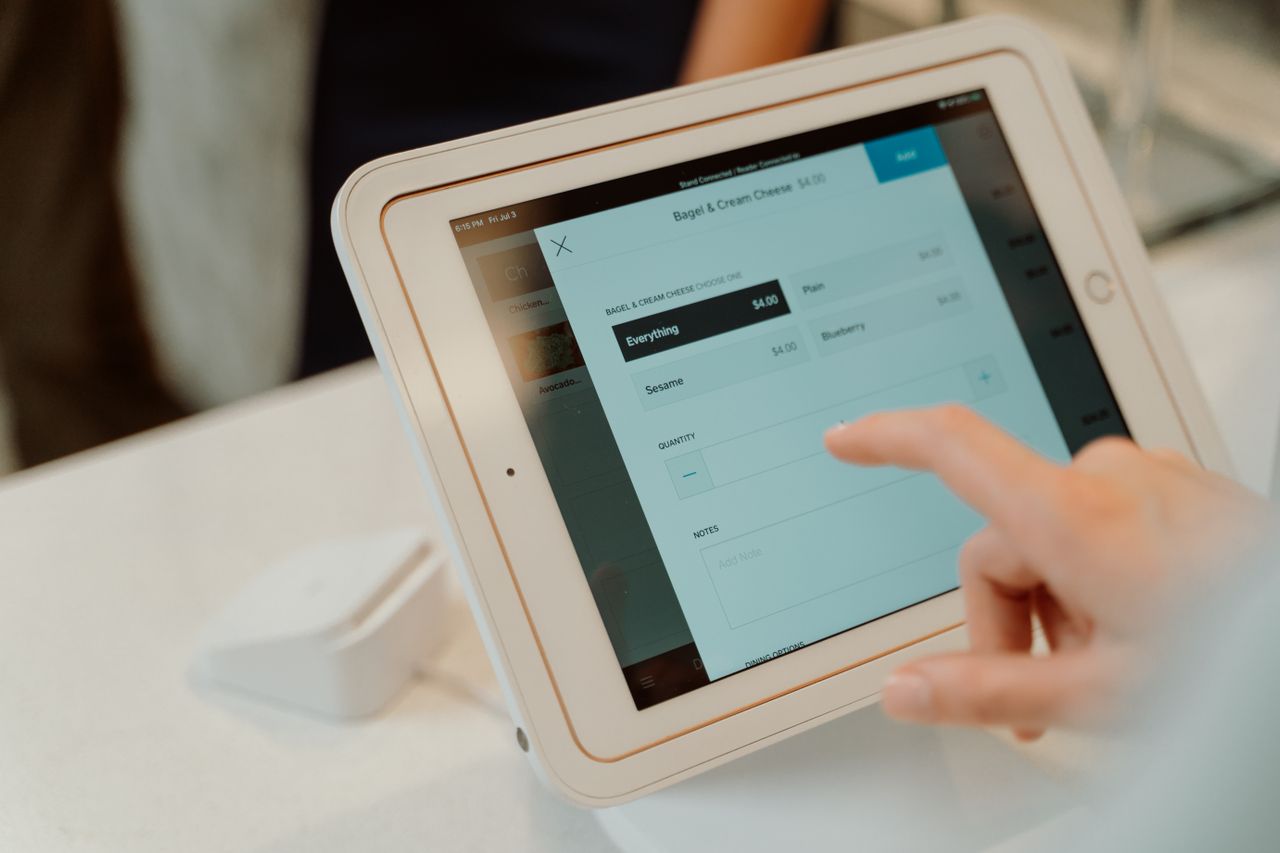
Restaurant gift cards remain one of the more reliable tools for driving revenue, acquiring new customers, and building brand loyalty. For multi-unit operators managing hourly teams across multiple locations, the right gift card program can simplify operations while improving cash flow.
But choosing between dozens of providers requires understanding what actually matters: POS compatibility, multi-location balance sync, digital and physical card support, and loyalty program integration. This guide breaks down 10 gift card programs for restaurants, organized by business size and operational needs.
Key Takeaways
- According to the National Retail Federation, holiday gift card spending totaled about $28.6 billion in 2024, making restaurant gift cards a meaningful revenue opportunity for operators of all sizes.
- POS integration is an important factor when selecting a gift card program because it affects redemption workflows, balance synchronization, and reporting.
- Platforms such as Paytronix and Givex are built for multi-location brands needing integrated loyalty, ordering, and stored-value capabilities, while POS-native options like Square and Toast suit smaller operations.
- Multi-unit operators running different POS systems across locations should prioritize platforms with cross-system compatibility like Wrapped or Factor4.
- Read the fee structure closely. Load fees, per-card production costs, and redemption commissions vary by provider and are often not reflected in a headline "free" or "included" price.
Understanding the Value of Restaurant Gift Card Programs
Gift cards function as both a marketing tool and a cash flow accelerator. When a customer purchases a $50 gift card, the restaurant receives the cash upfront, while accounting recognition generally occurs as the card is redeemed or qualifying breakage is recognized. Unredeemed balances are typically carried as a contract liability rather than recognized immediately as revenue, and breakage rules vary by state regulation.
The customer acquisition benefit is also significant. Gift card recipients are often first-time visitors to your restaurant, introduced by the gift-giver. National Restaurant Association research found that loyalty membership influences restaurant choice for 61% of delivery customers, 54% of quick-service customers, and 41% of table-service diners. Some platforms integrate gift cards with loyalty programs, creating opportunities to introduce gift recipients to rewards enrollment.
For multi-unit operators, gift cards create cross-location traffic. A card purchased at one location can drive visits to another, spreading brand awareness across your footprint.
Digital vs. Physical: Choosing the Right Restaurant Gift Card Format
Many restaurant-focused gift-card platforms support both digital (e-gift) and physical plastic cards. Each format serves different customer preferences and operational needs.
Pros and Cons of Digital Restaurant Gift Cards
Digital cards offer instant delivery via email or SMS, making them useful for last-minute gifting, and they eliminate inventory management. Some digital gift-card platforms also support Apple Wallet or Google Wallet passes, though this is not a universal capability, so confirm it with the vendor. Some customers still prefer the tactile experience of handing over a physical card.
Physical Gift Cards: Still Relevant in the Digital Age?
Physical cards generate impulse purchases at checkout and serve as branded marketing materials in customers' wallets. They require inventory management and carry production and fulfillment costs that vary by vendor, order size, customization, and shipping, but they remain useful for in-store display racks and corporate gifting programs.
The best approach for most restaurants: offer both formats and let customers choose.
Top Features to Look for in a Restaurant Gift Card Program
Before evaluating specific platforms, understand the features that matter most for restaurant operations:
- POS integration depth: Seamless transactions, real-time balance updates, and unified reporting
- Multi-location support: Cross-location redemption and centralized balance management
- Online sales portal: Branded storefront for digital card purchases
- Custom branding: Your logo and design on cards and delivery emails
- Fraud prevention: Security protocols to prevent card cloning and balance theft
- Loyalty integration: Ability to connect gift card purchases to rewards programs
- Reporting and analytics: Track sales, redemptions, and outstanding balances
The 10 Best Gift Card Programs for Restaurants
We evaluated these platforms on POS compatibility, multi-location support, card format options, published pricing, and total fee structure. Here are the leading options.
1. Paytronix
Best for: Multi-location restaurant and convenience-store brands needing integrated loyalty and stored value
Price: Custom enterprise pricing
Paytronix is a guest-engagement platform used by multi-location restaurant and convenience-store brands. It reports supporting 1,800+ brands across 35,000+ locations, combining gift cards with loyalty programs, online ordering, and marketing automation in a single ecosystem.
Key features:
- 450+ total integrations, including integrations with more than 30 POS systems
- AI-powered guest insights and marketing capabilities available through the broader Paytronix Guest Engagement Suite
- Multi-channel support across mobile apps, online ordering, and in-store
- Dedicated enterprise support and implementation
Limitations:
- Pricing is not published; requires a sales conversation
- Broader platform scope means longer implementation than a standalone gift-card tool
- POS coverage is narrower than the total integration count suggests
Paytronix makes the most sense when you need loyalty, ordering, and stored value under one contract rather than gift cards alone.
2. Toast Gift Cards
Best for: Restaurants already using Toast POS
Price: Varies by Toast subscription or bundle. Toast Gift Cards requires adding the Gift Cards module unless it is included in the merchant's package.
If your restaurant runs Toast as its POS, Toast Gift Cards removes the need for an additional vendor, with sales, redemptions, and reporting handled natively.
Key features:
- Built specifically for restaurant workflows
- Integrated with Toast POS and Toast Online Ordering; Toast also offers separate loyalty functionality within its platform
- Physical and digital card support
- No third-party provider required
Limitations:
- Requires the Gift Cards module unless bundled in your package
- Because the product is native to the Toast ecosystem, restaurants planning a future POS migration should confirm how card balances and outstanding liabilities would be transferred
- Confirm module cost with Toast, since pricing is package-dependent
3. Square Gift Cards
Best for: Single-location or small multi-unit restaurants on a budget
Price: Physical card pricing varies by quantity and design. Square eGift Cards are free to set up; Square Free and Plus currently charge a 2.5% gift-card load fee plus applicable payment-processing fees, while Premium waives the load fee.
Square offers one of the more accessible gift card programs for small restaurants. Square Gift Cards does not require a separate gift-card subscription or long-term commitment, and Square does not charge an additional redemption fee, though load and payment-processing fees can apply.
Key features:
- Both physical and digital cards with custom branding
- eGift cards redeemable across the merchant's Square locations
- Integration with Square Dashboard for reporting
- Simple setup with minimal technical requirements
Limitations:
- The 2.5% load fee on Free and Plus plans is easy to overlook when comparing costs
- Square-only ecosystem limits flexibility if you operate locations on different POS systems
- Physical card costs depend on order quantity, so small first orders cost more per card
4. Wrapped
Best for: Multi-unit operators with different POS systems across locations
Price: Starting at $49/month with a 14-day free trial
Wrapped solves a specific problem: hospitality businesses running multiple POS systems who need a single gift card balance across all locations. It maintains one live gift-card balance across connected channels and supports 30+ integrations, including Lightspeed, Square, Shopify, BigCommerce, WooCommerce, Heartland, and Bopple.
Key features:
- Single balance ledger across POS, e-commerce, and online ordering channels
- Experience vouchers for tasting menus, chef's tables, and special events
- Refund-to-credit at the POS in one tap
- Apple Wallet and Google Wallet support
Limitations:
- Adds a subscription cost on top of your existing POS
- Value depends on actually running multiple systems; single-POS operators may not need it
- Confirm that your specific POS and version appear on the current integration list
5. Factor4
Best for: Restaurants needing specific POS integrations or switching providers
Price: Contact for pricing (integration-dependent)
Factor4 has built its reputation on POS partnerships and offers a gift card conversion service that can import active cards and balances from an existing provider, preserving the merchant's current cards where compatible.
Key features:
- POS integration partnerships including Oracle Micros Simphony, Clover, and PAX terminals
- Omnichannel support across in-store, online, and mobile
- White-label, merchant-branded mobile gift card app
- Community gift card programs for local business coalitions
Limitations:
- Pricing is not published and depends on the integration required
- Factor4 maintains a broad integration list and continues to add integrations, so confirm your POS is currently supported
- Conversion compatibility should be verified before committing to a migration
Factor4 is worth a look for restaurants on less common POS systems or those migrating from another provider and needing to preserve existing card balances.
6. eGiftify
Best for: Upscale restaurants with event programming
Price: Contact for pricing
eGiftify combines gift cards, loyalty programs, and event ticketing in a single platform. It supports event ticketing in addition to gift cards and loyalty, and Nobu Restaurants is a documented eGiftify gift-card customer.
Key features:
- Unified gift card, loyalty, and event ticketing
- POS integration with Toast and Oracle Simphony
- Flexible loyalty rules, either visit-based or spend-based
- Branded gift-card storefronts
Limitations:
- Pricing is not published; requires a quote
- Event ticketing value depends on how much of that programming you actually run
- Smaller vendor footprint than the enterprise platforms in this list
7. Givex
Best for: Multi-location and international brands needing a highly scalable stored-value platform
Price: Contact sales for program configuration and pricing
Givex is a long-tenured enterprise gift card processor with a strong presence among QSR chains. It says its platform scales from one location to thousands, operates globally, and supports more than 1,100 integrations.
Key features:
- Enterprise-scale gift card processing
- More than 1,100 integrations
- Supports international gift-card deployments, with currency capabilities depending on the program configuration
- Sales-led implementation with dedicated support
Limitations:
- Requires a sales-led process, making quick deployment harder
- Pricing and program terms are not published
- Configuration complexity may exceed what smaller operators need
8. Blackhawk Network
Best for: Restaurant brands seeking broad third-party retail and digital gift-card distribution
Price: Network fees vary
Blackhawk Network powers the gift card racks in grocery stores, pharmacies, and big-box retailers. The company reports over $30 billion in annual load value and a network of more than 400,000 storefronts.
Key features:
- Access to Blackhawk's physical and digital gift-card distribution network, with specific retailer placement depending on the program
- Large consumer reach through retail partnerships
- Retail distribution can increase brand visibility at the point of purchase
- Powers the Restaurant Finder network
Limitations:
- Retailer placement is program-dependent rather than guaranteed
- Network fee structure is not published
- Positioned toward brands and enterprises rather than individual independents
9. Restaurant Finder
Best for: Independent restaurants wanting exposure through a multi-restaurant card network
Price: No setup or recurring fee, but participating restaurants receive 90% of the value of Restaurant Finder cards they redeem, meaning the network retains 10% of redeemed value.
Restaurant Finder is a multi-restaurant gift card network powered by Blackhawk Network's infrastructure. Cards sold at major retailers can be redeemed at participating local restaurants. It is not a closed-loop branded gift card for your own restaurant, and it works alongside rather than in place of your own program.
Key features:
- No setup or recurring fee to join
- Restaurant Finder states that its cards are distributed through retailers including Kroger, Target, Publix, Whole Foods, and Amazon
- Customer acquisition through gift card recipients new to your restaurant
- Restaurant Finder says participating restaurants receive real-time data insights
Limitations:
- The effective 10% commission on redeemed value is material and should be modeled against your margins
- The card is shared with other restaurants, reducing brand control
- Distribution reach is vendor-reported and can change
10. Rezku
Best for: Restaurants using Rezku POS
Price: Included with a Rezku POS subscription. The Basic plan starts at $99/month and lists gift card programs among its included features.
Rezku offers integrated gift cards as part of its restaurant POS, providing a straightforward option for existing customers.
Key features:
- Physical and digital gift cards usable across locations in the restaurant's network
- Included in the Basic plan rather than sold as an add-on
- Separate coupon, promotion, and loyalty reward tools within the same POS
- Single-vendor billing and support
Limitations:
- Requires committing to the Rezku POS ecosystem
- Gift-card configuration details are thinner in public documentation than dedicated platforms
- Less suited to operators running mixed POS environments
Implementing a Gift Card Program for Multi-Unit Restaurants
Multi-unit operators face unique challenges when rolling out gift card programs. Staff training becomes critical when employees across locations need to process sales and redemptions consistently.
Ensuring Consistency Across All Your Restaurant Locations
Standardized branding, uniform pricing structures, and consistent promotional messaging prevent customer confusion. Your gift card program should work identically whether a customer purchases at Location A and redeems at Location B.
Training Staff for Successful Gift Card Sales and Redemption
Train front-of-house teams to suggest gift cards during checkout, especially during holiday periods. Create simple scripts and ensure every employee knows how to process both sales and redemptions in your POS system.
Gift Card Best Practices: Marketing and Promotions
Holiday periods are important gift-card sales opportunities. Focus marketing efforts on:
- Holiday bundles: Bonus cards with purchase (buy $50, get $10 free)
- Corporate gifting: Bulk purchase programs for businesses, which can provide an additional bulk-purchase channel
- Email campaigns: Targeted messaging before major holidays
- In-store signage: Point-of-purchase displays near registers
Integrating gift cards into your loyalty program creates additional touchpoints. Reward members who purchase gift cards, and use gift card redemptions as enrollment opportunities for new guests.
The Bottom Line
For most restaurants, the decision starts and ends with the POS. If every location runs the same system, the native option from Toast, Square, or Rezku is the shortest path, provided you confirm what it actually costs: Square's load fee on Free and Plus plans and Toast's module requirement both sit outside the headline price. Groups running mixed systems, often the result of acquisitions or distinct concepts, get real value from Wrapped or Factor4, which keep one balance across platforms. Larger brands that need loyalty and stored value in the same contract are the natural fit for Paytronix or Givex, and brands wanting third-party retail reach should look at Blackhawk Network, understanding that specific retailer placement depends on the program.
Whatever you choose, price the full fee stack rather than the entry price, and get the migration terms in writing. Ask each vendor how outstanding card liabilities transfer if you switch providers or POS systems later, since that question is far cheaper to answer before signing than during a conversion. For more on evaluating restaurant technology, explore additional resources from Operators Daily.
Frequently Asked Questions
What are the main benefits of offering gift cards for my restaurant?
Gift cards bring in cash upfront, introduce new customers through gift recipients, and encourage return visits. For accounting purposes, the unredeemed balance is generally carried as a liability until the card is redeemed or qualifying breakage is recognized, so treat the cash as timing benefit rather than immediate revenue.
Should my restaurant offer physical or digital gift cards, or both?
Most restaurants benefit from offering both formats. Digital cards provide instant delivery and, on some platforms, mobile wallet passes, while physical cards support in-store displays and corporate gifting programs. Platforms like Square and Toast support both formats within the same system.
How do I choose the best gift card program for multiple restaurant locations?
Prioritize POS integration first. If all locations run the same POS, the vendor's native solution is usually simplest, such as Toast for Toast users or Square for Square users. If locations run different systems, consider multi-POS platforms like Wrapped or Factor4 that can sync balances across systems.
Can gift cards be integrated with my existing restaurant POS system?
Usually, though coverage varies more than vendor marketing suggests. Paytronix reports 450+ total integrations, of which more than 30 are POS integrations, and Factor4 maintains a broad integration list and continues to add to it. Verify your specific POS and version are supported before committing to any platform.
What are some effective ways to market restaurant gift cards?
Focus on holiday periods when gift-giving peaks. Use email campaigns, in-store signage, and bonus card promotions such as buy $50, get $10. Corporate gifting programs can provide an additional bulk-purchase channel worth developing ahead of the fourth quarter.
Join multi-unit operators getting practical guides and no-nonsense software breakdowns across hiring, onboarding, scheduling, payroll, compliance, and what's shifting in the industry.
Free. One email a week. Unsubscribe anytime.