Best POS Systems for Bars and Breweries


Operators Daily is where multi-unit restaurant and hourly-workforce operators get smart, fast — practical guides and no-nonsense software comparisons across hiring, onboarding, scheduling, payroll, and compliance.
Popular articles
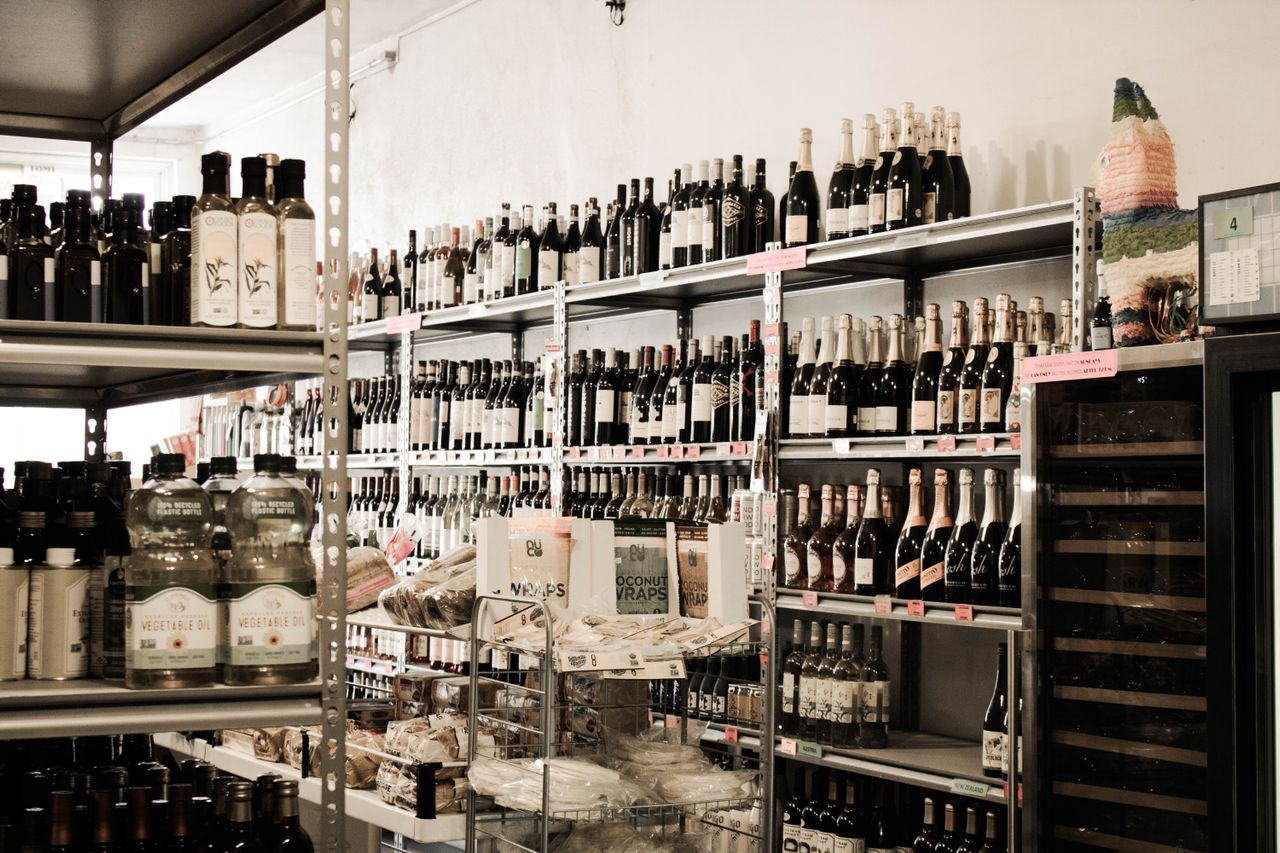
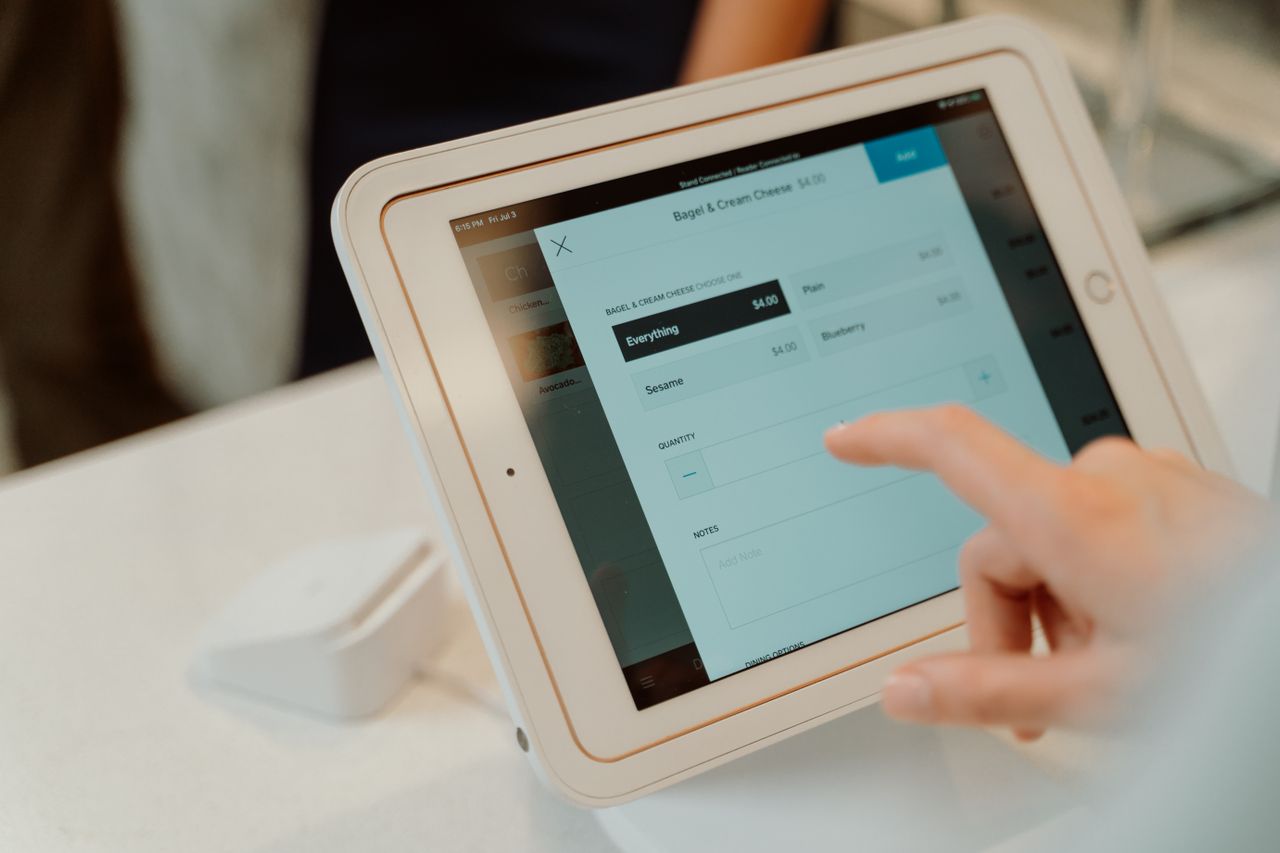
Running a bar or brewery in 2026 means your POS system is either generating revenue or quietly draining it. Between walkout tabs, over-pouring, and inventory shrinkage, the wrong system can erode margins without you realizing it. For operators managing hourly teams alongside complex beverage programs, finding the right technology stack is essential. If you are also evaluating workforce management software, pairing scheduling and timekeeping tools with your POS can streamline operations further.
This guide covers 10 POS systems for bars and breweries, evaluated on bar-specific features, total cost of ownership, user ratings, and scalability for multi-unit operators.
Key Takeaways
- Toast POS is built for high-volume bars, with spill-resistant hardware, Toast Go handhelds, preauthorization, and 24/7 support. Processing rates and contract terms depend on the quote.
- Shift4 Dine advertises a $29.99/month bundle with $0 upfront hardware under the applicable offer, which can suit independent bars and taprooms focused on upfront costs. Confirm which devices are included in your quote.
- GoTab and Arryved are designed for taproom operations. Measured pour and keg-level data come through integrations such as Draft Control (GoTab) and BarTrack (Arryved), rather than from POS sales data alone.
- Advertised processing rates, card-type exceptions, and contract terms vary by plan. At $60,000 in monthly card volume, a 2.45% rate costs about $90/month less than a 2.6% rate with the same 15¢ fee, before software and other charges.
- Base POS prices often exclude add-ons such as advanced inventory, loyalty, marketing, and extra devices, so confirm the total configured cost with each vendor.
Understanding the Unique Needs of Bar and Brewery POS Systems
Bars and breweries operate differently from standard restaurants. High transaction volumes, open tabs, preauthorization requirements, and beverage-specific inventory tracking create demands that generic retail or restaurant POS systems cannot address.
Why a Specialized POS is Crucial for Bars
A bar running 500+ covers on a Saturday night needs hardware that survives spills and software that keeps pace with rapid-fire orders. Tab management, preauthorization holds, and speed screens are table stakes for busy cocktail bars and taprooms.
Breweries face additional complexity. Tracking kegs from production to pour, managing flight pricing, and integrating with brewery management software like Ekos or Beer30 requires purpose-built functionality that most restaurant POS platforms lack.
Core Differences from Retail POS
Unlike retail systems focused on single transactions, bar POS systems must handle:
- Open tabs with preauthorization to help prevent walkouts
- Split checks across large groups with varying payment methods
- Ingredient-level inventory that tracks pours at the ounce level
- Happy hour pricing with time-based automatic discounts
- Age verification prompts to support compliance
The 10 Best POS Systems for Bars and Breweries
We evaluated each platform based on bar-specific features, pricing and contract terms, inventory capabilities, integrations, and multi-location support. Here are the top options for bar and brewery operators.
1. Toast POS
Best for: High-volume bars and multi-location operations
Toast's bar POS is designed for high-volume bar operations. With purpose-built spill-resistant hardware and an extensive add-on marketplace, it handles the demands of busy nightclubs and downtown bars.
Key Features
- Toast Go handhelds for mobile tableside service
- Preauthorization and speed screens for fast bar service
- 24/7 support with comprehensive reporting
Price
Starter Kit at $0/month with pay-as-you-go processing; Point of Sale plan starts at $69/month. Processing rates and contract terms are quote-dependent, so confirm them in writing.
Strengths
- Spill-resistant hardware built for bar environments
- Handhelds support tableside and crowded-bar service
- 24/7 support
- Extensive add-on marketplace
Limitations
- Higher monthly costs as add-ons accumulate
- Proprietary hardware purchases may not suit budget-conscious independent bars
- Processing rates and contract length vary by quote
2. Shift4 Dine (formerly SkyTab)
Best for: Independent bars seeking low upfront costs
Shift4 Dine advertises a $29.99/month bundle with $0 upfront hardware under the applicable offer. The advertised bundle includes one workstation, an integrated card reader, a cash drawer, a receipt printer, and POS software. Additional devices, such as handhelds and kitchen displays, require confirmation in your quote.
Key Features
- Workstation bundle with $0 upfront hardware under the applicable offer
- Built-in online ordering
- Optional Advantage Program that can offset processing costs through customer-facing pricing options
Price
$29.99/month bundle with $0 upfront hardware under the applicable offer. Eligible switching merchants may qualify for a promotional bonus, subject to terms.
Strengths
- Low advertised monthly price
- No upfront hardware cost for the advertised workstation bundle
- Optional program to offset processing costs
Limitations
- Requires Shift4 payment processing, limiting flexibility
- Handhelds, kitchen displays, and other additional devices must be confirmed in the quote
- Smaller ecosystem compared to Toast or Square
3. Square for Restaurants
Best for: Startups and small bars needing low-risk entry
Square for Restaurants lowers the barrier to getting started with a functional free plan and no contracts. Same-day setup is possible, making it a practical option for new bars testing their concept.
Key Features
- No contracts, cancel anytime
- Flexible hardware options (0-899)
- Ecosystem including payroll, marketing, and banking
Price
Free plan available, Plus at $49/month, Premium at $149/month. Processing starts at 2.6% + 15¢ on the free tier, with lower rates on paid plans.
Strengths
- Free plan and no long-term contracts
- Fast, self-service setup
- Broad ecosystem of business tools
Limitations
- Bar-tab preauthorization is available on supported Square restaurant configurations; eligibility depends on the subscription and app setup
- Less bar-specific functionality than dedicated systems
4. Lightspeed Restaurant
Best for: Craft cocktail bars and multi-location brewery groups
Lightspeed Restaurant supports ingredient-level inventory for bars with complex cocktail programs, deducting ingredients from inventory as items sell. Advanced inventory capabilities are available through an add-on.
Key Features
- Ingredient-level tracking and recipe costing
- Centralized multi-location management
- Robust analytics and custom reporting
Price
Starter at $69/month, Essential at $189/month, and Premium at $399/month. Advanced inventory is available as an add-on, so request the total configured price.
Strengths
- Ingredient-level deductions as items sell
- Centralized management across locations
- Robust analytics and reporting
Limitations
- Advanced inventory is an add-on rather than included in the starting price
- Higher tiers may exceed budget for single-location bars
- Steeper learning curve than simpler systems
5. GoTab
Best for: Breweries with taprooms and hybrid service models
GoTab is built for modern breweries, offering guest-centric tabs that follow patrons anywhere in the venue. Its native QR code ordering and mobile payments support hybrid service without requiring full table service staff.
Key Features
- Direct integration with Ekos, Beer30, and brewery management systems
- Unlimited open tabs per table (vs. table-based competitors)
- Tripleseat integration for event management, including event-deposit transfer to POS tabs
- Self-service integration partners and Draft Control integration for pour and keg-level data
Price
Basic at $15/month, Pro at $99/month, and Sync at $229/month. Additional devices and several advanced features carry extra charges.
GoTab reports processing $1B+ annually and reports 25% faster table turns with 35%+ higher check averages for venues using its hybrid model. These are vendor-reported figures, not guaranteed outcomes.
Strengths
- Guest-centric tabs suited to hybrid and self-service models
- Integrations with brewery management, event, and self-service partners
- Published, tiered pricing
Limitations
- Offline resilience depends on the selected plan and configuration; Sync includes an on-premises server connection and enhanced offline capabilities
- Actual pour-versus-sales analysis requires an integration such as Draft Control
- Best suited for venues embracing self-service ordering
6. Arryved
Best for: Taproom operations prioritizing pour accuracy
Arryved is designed for brewery and taproom operations. Its POS supports ounce-level tracking and sales-based inventory depletion. Smart-draft monitoring of actual pours is available through BarTrack, ingredient-level inventory through Yellow Dog, and production and brewery inventory through Arryved Brewery Management, a separate product.
Key Features
- Ounce-level tracking with sales-based inventory depletion
- Mobile-first design with staff not tied to terminals
- Native contactless and QR ordering
Price
Core POS from $99.99/month for 1–9 devices; 10+ devices or 2+ locations require a quote.
Strengths
- Built around taproom workflows
- Mobile-first service model
- Published entry-level pricing
Limitations
- Measuring actual pours requires BarTrack; sales-based depletion alone does not show how much liquid was physically poured
- Higher price point than budget options
- Smaller user base may mean fewer third-party integrations
7. TouchBistro
Best for: Bars with unreliable internet connections
TouchBistro is known for reliability when the internet goes down. Its offline mode runs locally on iPad, keeping orders flowing during outages.
Key Features
- Offline mode that operates without internet
- Visual floor plan and table layout management
- Payment processor flexibility (not locked in)
Price
POS software starts at $69/month; hardware and other fees are additional.
TouchBistro holds a 4.1/5 rating on G2 (as of October 2026).
Strengths
- Local offline operation during internet outages
- Floor plan and table management
- Choice of payment processor
Limitations
- iOS-only limits hardware choices
- Add-on costs can accumulate quickly for advanced features
8. SpotOn Restaurant
Best for: High-volume bars prioritizing low processing fees
SpotOn offers competitive advertised processing rates on its POS Essentials plan. At $60,000 in monthly card volume, Essentials' 2.45% + 15¢ rate costs about $90/month less than a 2.6% + 15¢ rate, before software and other charges.
Key Features
- Processing at 2.45% + 15¢ on Essentials (American Express at 3.19% + 15¢)
- Month-to-month terms on POS Essentials
- Integrated loyalty and marketing products available; additional subscription or bundle charges may apply
Price
All-In Plan at $0/month (2.79% + 20¢) with a two-year minimum term and processing minimums; POS Essentials at $55 per station/month (2.45% + 15¢), month-to-month.
Strengths
- Low advertised processing rate on Essentials
- Month-to-month option available
- Choice between a $0 software plan and a lower-rate subscription plan
Limitations
- All-In Plan requires a two-year minimum term and processing minimums
- Loyalty, marketing, and inventory features may require add-ons or bundles
- Less name recognition than Toast or Square
9. Clover POS
Best for: Neighborhood bars wanting plug-and-play simplicity
Clover takes a different approach: start simple, add what you need. Its app marketplace allows modular customization, while its hardware lineup fits a range of bar setups.
Key Features
- Versatile hardware devices (Flex, Solo, Station Duo)
- App marketplace for customization
- Purchase or subscription options for hardware
Price
Software at 14.95-160+/month; hardware at 599-1,899. Clover states that equipment subscriptions are noncancelable and ineligible for refunds, subject to specified buyout and upgrade arrangements. Confirm the actual seller's purchase, subscription, and return terms.
Strengths
- Range of countertop and handheld hardware
- Modular customization through the app marketplace
- Simple setup for smaller operations
Limitations
- Limited bar-specific features out of the box
- Many capabilities require paid apps
- Equipment subscription terms limit flexibility once signed
10. Rezku
Best for: Small bars wanting included support and inventory tools
Rezku includes 24/7 U.S.-based customer support at no extra charge, along with inventory, loyalty, and gift card features.
Key Features
- Real-time, ingredient-level inventory tracking with automatic updates
- Built-in loyalty and gift card programs
- Reliable offline functionality
Price
Basic at $99/month for up to three POS stations, with a separate promotional hardware charge of $19/month per station.
Rezku holds a 4.9/5 rating on G2 (as of October 2026), with high marks for ease of use.
Strengths
- 24/7 U.S.-based support included
- Inventory, loyalty, and gift cards listed as plan features
- Offline functionality
Limitations
- Smaller ecosystem and user base
- Less proven at high-volume operations
Staff Management and Training with Integrated POS Solutions
A POS system does more than process transactions. For bars managing hourly teams, integration with scheduling and payroll tools reduces administrative burden.
Many systems integrate with time tracking and scheduling software for restaurants, enabling staff to clock in directly from the POS terminal. This reduces manual timekeeping and simplifies payroll processing.
When implementing a new POS, staff training becomes critical. Review employee training platforms for tools that streamline training on new systems. Proper onboarding reduces errors during the transition period and gets your team productive faster.
Optimizing Inventory and Supply Chain with a Bar POS
Inventory shrinkage can quietly erode bar margins. A POS with real-time stock tracking helps identify waste, theft, and over-pouring before they drain your margins. For counting and ordering routines that support your POS data, see our inventory management best practices.
Real-time Stock Tracking for Alcohol
Lightspeed deducts ingredients from inventory as items sell, with advanced inventory available as an add-on. Arryved's POS supports sales-based inventory depletion, with ingredient-level inventory available through Yellow Dog. Confirm which capabilities, such as automated par-level reorder alerts, are included in the plan you are quoted.
Reducing Spoilage and Theft
Comparing theoretical usage against measured pours flags discrepancies that indicate over-pouring or theft. Sales-based depletion alone does not measure how much liquid was physically poured; that data comes from flow-monitoring integrations such as Draft Control for GoTab or BarTrack for Arryved. If your POS shows you sold 100 pints but your keg monitoring indicates 120 pints worth of beer was poured, you have a problem to address.
Compliance and Security in Bar and Brewery Point of Sale Systems
Alcohol-serving establishments face specific compliance requirements that general POS systems may not address adequately.
Meeting Alcohol Sales Regulations
Age verification prompts remind staff to check IDs before completing alcohol sales, though staff remain responsible for actually verifying each ID. Audit trails document every transaction for regulatory review, and tax reporting features handle the complexity of alcohol-specific tax calculations.
Protecting Customer Data
PCI compliance is non-negotiable for any system handling credit cards. EMV compliance, encryption, and fraud prevention features help reduce payment-security risk, but merchants retain their own compliance responsibilities.
Future-Proofing Your Business with Scalable POS Technology
Selecting a POS that supports growth is essential for operators planning expansion. Cloud-based systems enable centralized management across locations, while API integrations connect your POS with accounting, inventory, and workforce management tools.
For multi-unit operators comparing options beyond bar-specific systems, our guide to the best restaurant POS systems covers platforms that scale across locations.
The Bottom Line
The right bar POS depends on how you serve and what you need to measure. High-volume bars that rely on handhelds and a broad add-on ecosystem will find Toast built around that workflow, while independent bars focused on upfront costs can compare Shift4 Dine's workstation bundle against Square's free plan. Taprooms running self-service tabs should look at GoTab and Arryved, keeping in mind that measured pour data comes from integrations such as Draft Control and BarTrack. Cocktail programs that need ingredient-level tracking can weigh Lightspeed and Rezku, bars with unreliable internet can consider TouchBistro's offline mode, and operators focused on processing costs should compare SpotOn's and Clover's plan terms closely.
Before you sign, ask each vendor for a written quote that lists every device, add-on, processing rate (including American Express), and contract term. Test tabs, preauthorization, and offline behavior in a live demo, and model processing costs on your own card volume and average ticket rather than a vendor's example.
For help comparing those processing costs, see our guide to restaurant payment processing.
Frequently Asked Questions
What is the average cost of a POS system for a bar or brewery?
Entry-level bar POS systems start at $0/month (Square, Toast Starter Kit, SpotOn All-In), with pay-as-you-go or plan-specific processing fees that vary by provider. Mid-tier systems run roughly 29.99-99.99/month, while premium tiers reach 189-399/month. Total cost of ownership should include processing fees, contract terms, hardware, and add-ons. At $60,000 in monthly card volume, the difference between a 2.6% and a 2.45% rate with the same 15¢ fee is about $90/month.
Can a POS system help manage keg inventory and tap lines?
Yes, though the capability often depends on integrations. Arryved's POS supports ounce-level tracking and sales-based depletion, with smart-draft monitoring through BarTrack. GoTab supports pour-versus-sales analysis through integrations such as Draft Control, which supplies pour and keg-level data. Sales data alone shows what should have been poured; flow-monitoring integrations show what was actually poured. Some systems also integrate with brewery management software like Ekos and Beer30 for production tracking.
How does a POS system integrate with payroll for hourly employees?
Most bar POS systems include basic time tracking that records clock-in/clock-out data. This data exports to payroll providers or integrates directly with platforms like ADP, Gusto, or Square Payroll. For more complex scheduling needs, consider dedicated workforce management tools that integrate with your POS.
What security features should I look for in a bar POS system?
Essential security features include PCI compliance for payment processing, EMV chip card support, end-to-end encryption, and fraud prevention tools. For alcohol sales specifically, look for age verification prompts and detailed audit trails that document every transaction for regulatory compliance.
Can I use a single POS system for multiple bar or brewery locations?
Yes. Cloud-based systems like Toast, Lightspeed, and SpotOn offer centralized dashboards for multi-location management. These platforms enable consolidated reporting, menu management across locations, and consistent pricing. Confirm multi-location pricing and any per-location fees with each vendor.
Join multi-unit operators getting practical guides and no-nonsense software breakdowns across hiring, onboarding, scheduling, payroll, compliance, and what's shifting in the industry.
Free. One email a week. Unsubscribe anytime.