Best Equipment Financing Options for Restaurants


Operators Daily is where multi-unit restaurant and hourly-workforce operators get smart, fast — practical guides and no-nonsense software comparisons across hiring, onboarding, scheduling, payroll, and compliance.
Popular articles
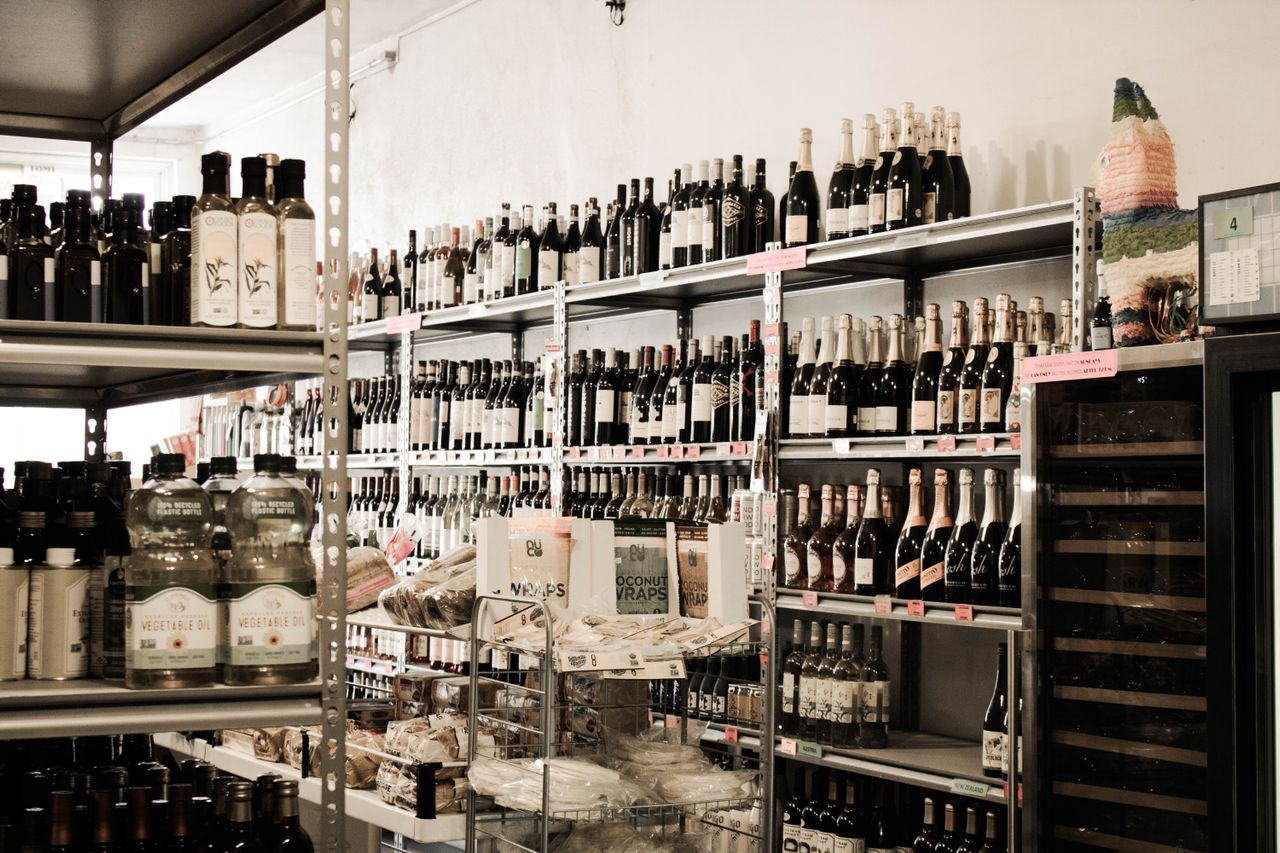
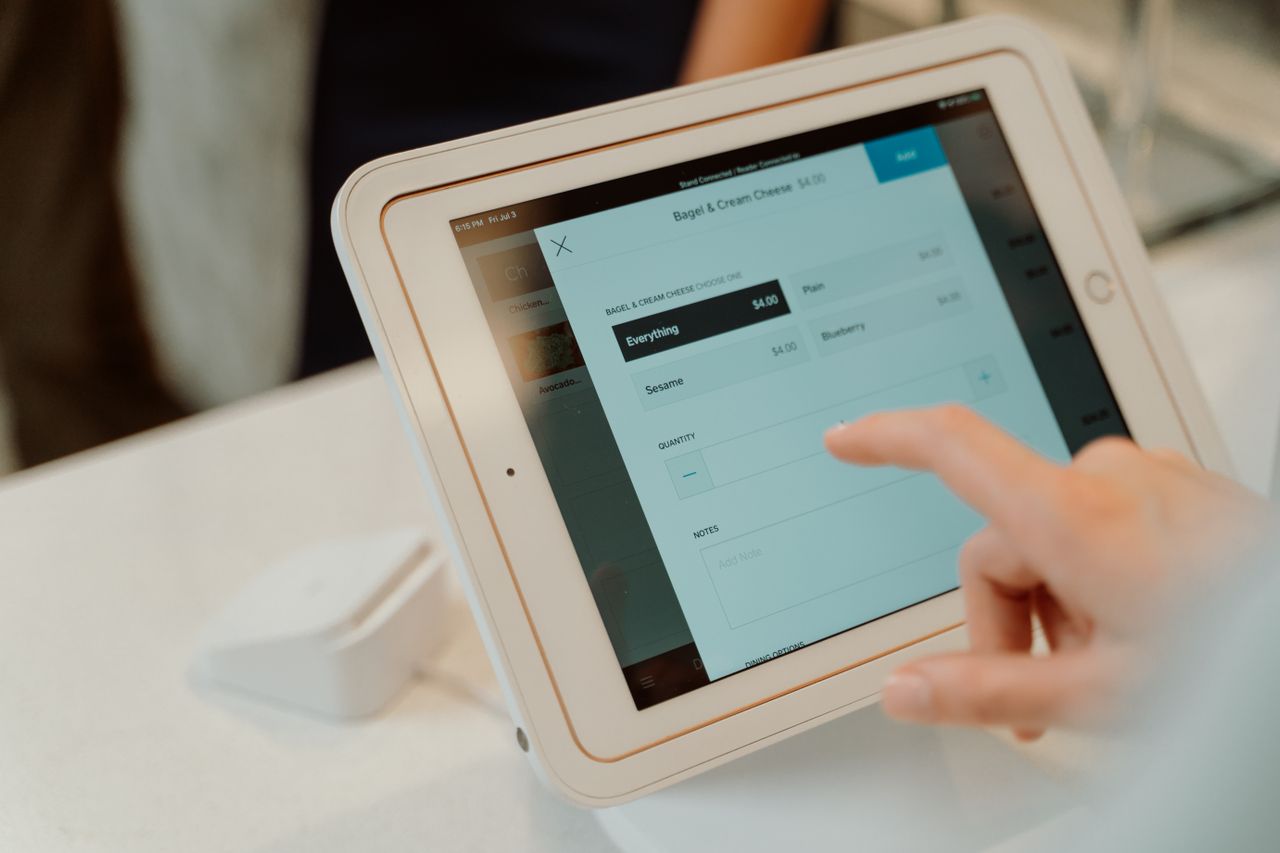
Outfitting a commercial kitchen can require a significant upfront investment, and many restaurant operators do not have that capital readily available. Equipment financing converts these large upfront costs into manageable monthly payments, allowing you to preserve working capital for daily operations, payroll, and growth initiatives.
Whether you are opening your first location or scaling a multi-unit operation, understanding your financing options is critical to making smart investments. For restaurant owners also evaluating operational tools, Operators Daily offers comprehensive guides on workforce management software, scheduling platforms, and other technology that pairs with your equipment investment.
Key Takeaways
- Equipment loans let operators own equipment from day one, with rates, terms, and approval times that vary by lender, credit profile, and time in business
- Equipment leasing may require less upfront cash and offer lower monthly payments than equipment loans, depending on the lease structure, financing term, residual value, and end-of-term purchase options
- SBA 7(a) loans may offer competitive financing for qualifying restaurants, with rates negotiated between borrowers and lenders subject to SBA maximums. Approval timelines vary by lender and application complexity
- Operators with credit scores below 600 may still have options through leasing, merchant cash advances, and certain online lenders
Understanding Equipment Financing: What It Is and Why It Matters for Restaurants
Equipment financing is an asset-backed loan or lease agreement that allows restaurant operators to acquire commercial kitchen equipment without paying the full purchase price upfront. The equipment itself serves as collateral, which makes these arrangements more accessible than unsecured business loans.
For restaurants, equipment financing matters because:
- Cash flow preservation: Monthly payments spread costs over the financing term instead of depleting cash reserves
- Asset access or ownership: Equipment loans can help businesses acquire equipment and build equity, while leases provide access to equipment with ownership depending on the agreement
- Tax advantages: For tax years beginning in 2026, Section 179 allows eligible businesses to deduct up to $2.56 million in qualifying property costs, subject to a phaseout beginning when qualifying purchases exceed $4.09 million, taxable income limitations, and other IRS requirements
- Scalability: Finance multiple locations without exhausting capital
Comparing the Best Equipment Financing Options for Restaurants
The right structure depends on your cash position, growth plans, and how quickly your equipment needs may change. We compared the main financing types available to restaurant operators based on upfront cost, ownership, funding speed, and eligibility. The options below are organized by financing type rather than ranked.
1. Equipment Loans
Best for: Operators who want to own long-lasting equipment and build equity
Equipment loans let you own the asset from day one. This builds equity and allows for depreciation deductions on your taxes. The equipment appears as an asset on your balance sheet, which can strengthen future loan applications.
Key Terms
- Loan amounts: Vary by lender; Dimension Funding, for example, lists 10,000-500,000
- Terms: Commonly 12-84 months, depending on the lender
- Approval speed: Varies by lender, with online lenders generally moving faster than banks
- Credit requirements: Vary by lender
Cost: Interest rates vary by lender, credit profile, and term.
Strengths
- Ownership from day one
- Eligible for depreciation deductions, including Section 179 for qualifying property
- Equipment appears as an asset on your balance sheet
Limitations
- Rates and approval depend heavily on credit profile and time in business
- Monthly payments may be higher than comparable lease structures
2. Equipment Leasing
Best for: Operators who want to preserve cash or upgrade equipment regularly
Leasing preserves working capital and may offer flexibility to upgrade at lease end. Payments under a lease treated as a rental agreement for federal tax purposes may be deductible as business expenses. Agreements treated as conditional sales contracts generally follow depreciation and applicable interest-deduction rules. Some lessors also include maintenance.
Key Terms
- Terms: Commonly 12-60 months
- Down payment: May be $0 or first and last month only
- Credit requirements: Vary by lessor; some lessors work with lower credit scores than traditional lenders
- End-of-term options: Return, renew, or purchase
Cost: Monthly payments may be lower than equivalent loan payments, depending on the lease structure and residual value.
Strengths
- Requires little upfront cash
- Flexibility to upgrade at lease end
- Often more accessible for new businesses because the lessor retains ownership of the equipment
Limitations
- No ownership or equity unless you exercise a purchase option
- Tax treatment depends on whether the agreement is classified as a genuine lease or a conditional sale
- Many leases carry significant fees for early exit
3. Lease-to-Own Agreements
Best for: Operators who want lower upfront costs with a path to ownership
Lease-to-own arrangements combine leasing flexibility with a path to eventual ownership. Typical structures include:
Key Terms
- $1 buyout leases: Make scheduled payments during the agreement and acquire ownership for a nominal $1 purchase price at the end, subject to the contract terms. These arrangements may be treated as financed purchases for tax purposes.
- Fair market value (FMV) leases: Lower payments during term, pay current value to purchase
- 10% purchase option: Pay residual value (typically 10%) to own equipment
- Terms: Commonly 12-60 months
Cost: Monthly payments may be lower than traditional loans, depending on the buyout structure. Total cost includes all payments plus the buyout.
Strengths
- Path to ownership without a large upfront purchase
- Choice of buyout structures to match cash flow
Limitations
- Total cost of ownership: Add all payments plus buyout and compare to a loan total
- Equipment obsolescence: Consider whether the equipment will still meet your needs in 3-5 years
- Tax implications: Deductibility depends on whether the agreement is treated as a genuine lease or a conditional sale for federal tax purposes. Financial statement lease classification does not, by itself, determine federal income tax treatment.
- Early termination penalties: Many leases have significant fees for early exit
- Maintenance responsibility: Clarify who handles repairs during the term
4. SBA 7(a) Loans
Best for: Established operators who want government-backed financing and can complete full underwriting
The Small Business Administration's 7(a) program offers government-backed financing that can be used for restaurant equipment.
Key Terms
- Maximum amount: Up to $5 million
- Terms: Generally up to 10 years for equipment, with longer maturities possible when the equipment has a useful life exceeding 10 years, subject to SBA rules. Terms of up to 25 years generally apply to real estate financing.
- Credit requirements: Credit standards vary by participating lender and SBA loan program. Approval depends on creditworthiness, repayment ability, and applicable eligibility requirements.
- Approval time: Varies by lender and application complexity
Cost: Rates are negotiated with participating lenders and subject to SBA limits. Maximum variable rates depend on loan size, ranging from the applicable base rate plus 3.0 to 6.5 percentage points.
Strengths
- High maximum loan amount
- Rates subject to SBA maximums
- Longer maturities possible for equipment with a long useful life
Limitations
- Approval timelines are typically longer than online equipment lenders
- Lenders may require an equity injection or down payment
- Must be obtained through an SBA-approved lender
5. SBA 504 Loans
Best for: Operators financing eligible commercial real estate or major long-term machinery and equipment
SBA 504 financing can support qualifying long-term machinery and equipment, with or without a real estate purchase.
Key Terms
- Maximum amount: Up to $5.5 million
- Structure: Commonly 50% conventional lender, 40% CDC, 10% borrower
- Equipment requirement: 10+ years remaining useful life
Cost: Borrowers typically contribute at least 10% of project costs, with higher contributions possible for new businesses, special-purpose properties, and other qualifying circumstances.
Strengths
- High maximum financing amount
- Can finance major equipment independently of a real estate purchase
Limitations
- Equipment must have at least 10 years of remaining useful life
- New businesses may need to contribute more than 10%
6. SBA Microloans
Best for: New or small restaurants with smaller equipment needs
For smaller equipment needs, SBA microloans offer up to $50,000 through participating intermediary lenders. Eligibility and underwriting requirements vary.
Key Terms
- Maximum amount: $50,000
- Lenders: Participating intermediary lenders
Cost: Varies by intermediary lender.
Strengths
- Suited to smaller equipment purchases
- An option for startups that may not qualify for larger loans
Limitations
- $50,000 cap limits use for major kitchen build-outs
- Requirements vary by intermediary lender
7. Vendor/Dealer Financing
Best for: Operators buying from a manufacturer or dealer that offers its own financing program
Some equipment manufacturers and dealers offer financing programs directly at the point of purchase.
Key Terms
- Promotional rates for qualified buyers
- Fast approval
- Bundled installation and training
Cost: Varies by program; promotional rates typically require buyers to qualify.
Strengths
- Financing and purchase handled in one transaction
- May include installation and training
Limitations
- Tied to a specific vendor's equipment
- Promotional terms may not be available to every buyer
8. Business Lines of Credit
Best for: Smaller equipment purchases or ongoing needs
Business lines of credit work well for smaller equipment purchases or ongoing needs.
Key Terms
- Credit limits: Vary by lender and business profile
- Structure: Revolving; reusable as you pay down
Cost: Interest rates vary by lender, credit profile, and draw terms.
Strengths
- Pay interest only on amounts drawn
- Reusable as you pay down the balance
Limitations
- Limits and rates depend on credit profile
- Less suited to large, one-time equipment purchases than term financing
9. POS-Integrated Financing
Best for: Restaurants already using a POS provider that offers financing
Some POS providers offer financing to eligible customers. Toast Capital, for example, offers eligible Toast customers loans of up to $300,000 per location.
Key Terms
- Loan amounts: Up to $300,000 per location for eligible Toast customers
- Funding speed: Approved borrowers may receive funds as soon as the next business day after completing the loan agreement
Cost: Funding amounts, approval, and terms depend on eligibility.
Strengths
- Offered through a provider you already work with
- Fast funding for approved borrowers
Limitations
- Available only to that provider's eligible customers
- Not automatically available to every POS customer
10. Merchant Cash Advances
Best for: Emergency equipment replacement when other options are unavailable
MCAs can provide fast funding but typically carry higher costs than other financing options.
Key Terms
- Advance amounts: Vary by provider; Credibly, for example, lists 5,000-600,000
- Funding speed: Can be same-day with some providers; Credibly lists funding in as little as 2-4 hours
- Credit requirements: Often more flexible than traditional loans; Credibly lists a 500+ credit score
- Repayment: Often collected through a percentage of card sales or scheduled withdrawals, depending on the provider and agreement
Cost: Factor rates vary by provider and risk profile. Because MCAs are priced with factor rates, convert the cost to an effective APR before comparing offers.
Strengths
- Fast access to funds
- More flexible credit requirements
Limitations
- Typically higher costs than other financing options
- Repayment draws directly from sales or scheduled withdrawals, which can strain cash flow when sales fluctuate
How to Calculate Your Costs: Equipment Financing Rates and Loan Calculators
Understanding your total cost of financing requires looking beyond the monthly payment.
Factors Influencing Your Equipment Financing Rate
Your interest rate and approval odds depend on:
- Credit score: Higher credit scores generally qualify for better rates, while lower scores may limit options to leasing, MCAs, or certain online lenders
- Time in business: Many lenders require a minimum operating history, which varies by lender
- Annual revenue: Minimum revenue requirements vary by lender
- Equipment type: New equipment with longer useful life qualifies for better terms
- Down payment: A larger down payment may help reduce rates or improve approval odds
Using an Equipment Financing Calculator Effectively
When evaluating options, calculate:
- Total repayment amount: Monthly payment × number of months
- Total interest cost: Total repayment minus principal
- Effective APR: Annualized cost of borrowing (especially important for MCAs)
- Opportunity cost: What else could you do with the down payment or monthly payments?
For a $100,000 equipment purchase:
- Equipment loan at 15% annual interest, 60 months: ~$2,379/month, $142,740 total, excluding fees
- Lease at comparable terms: Monthly payments may be lower, depending on residual value and buyout terms, but ownership depends on the agreement
- SBA 7(a) at 11% annual interest, 84 months: ~$1,712/month, $143,828 total, excluding fees
Financing Your Startup Restaurant: Options for New Businesses
Startup restaurants face unique challenges since they lack the operating history most lenders require.
Startup Challenges: Securing Financing Without a Track Record
Many traditional lenders prefer an established operating history. For startups, this means:
- Personal credit matters more: Lenders rely heavily on owner credit scores
- Personal guarantees required: Owners typically must personally guarantee the loan
- Business plan scrutiny: Detailed projections and proof of concept become essential
- Higher rates: New restaurants may face higher financing costs because limited operating history creates additional underwriting risk. Actual rates depend on the lender, credit profile, collateral, and financing structure.
Alternative Funding Sources for New Restaurant Ventures
Startups should consider:
- Equipment leasing: Leasing companies are often more flexible with new businesses because they retain ownership of the equipment. If you default, they repossess the asset.
- Vendor/dealer financing: Some manufacturers and dealers offer promotional rates, fast approval, and bundled installation for qualified buyers.
- SBA microloans: Up to $50,000 through participating intermediary lenders for smaller equipment needs.
For startups building their teams, selecting the right onboarding software can help maximize the return on your equipment investment by getting new hires productive faster.
No Money Down Equipment Financing: Possibilities and Pitfalls
Several financing options allow you to acquire equipment without upfront capital.
When Does Zero Down Make Sense for Your Restaurant?
No money down options work best when:
- You need to preserve cash for other startup costs
- The equipment will generate immediate revenue
- You have strong credit (better terms without down payment)
- You are leasing rather than buying
Options that may offer 100% financing:
- Equipment leasing (often $0 or first/last month)
- Some online equipment lenders
- Vendor financing programs
- SBA 7(a) loans, though lenders may require an equity injection or down payment
Evaluating the True Cost of No Money Down Options
Zero down financing comes with trade-offs:
- Higher financing costs: Zero-down offers may carry higher rates or fees, depending on the lender, collateral value, creditworthiness, and repayment terms
- Longer terms: More months mean more total interest paid
- Stricter credit requirements: Strong credit often required for $0 down
- Potential prepayment penalties: Review terms carefully
A $50,000 piece of equipment financed with zero down at a 20% annual interest rate over 60 months costs approximately 1,325/month(79,482 total). With 20% down and a 15% annual interest rate on the remaining $40,000, payments would be approximately 952/month(67,096 total, including the $10,000 down payment). These examples exclude additional fees.
Choosing Your Partner: Best Equipment Financing Companies for Restaurants
Selecting the right financing partner affects both your costs and experience.
What to Look for in a Financing Provider
Key evaluation criteria:
- Industry specialization: Lenders familiar with restaurant equipment understand your needs
- Funding speed: Ranges from same-day for some products to several weeks or more for SBA loans, depending on loan type
- Rate transparency: Look for clear APR disclosure, not just factor rates
- Flexibility: Seasonal payment options, early payoff terms, upgrade paths
- Customer service: Responsive support for questions and issues
Top Considerations When Comparing Lenders
When comparing offers:
- Direct lenders vs. brokers: Brokers shop multiple lenders but add fees
- Bank vs. online lenders: Banks may offer lower rates, while online lenders often approve faster
- SBA-approved lenders: Required for government-backed loans
- Integrated options: POS providers such as Toast offer financing to eligible existing customers, with terms that depend on eligibility
Beyond Financing: Operational Impact and Technology Integration
Equipment financing is just one piece of building a profitable restaurant operation.
Maximizing Your Equipment Investment Through Smart Operations
To get the most from financed equipment:
- Calculate true ROI: Track how new equipment impacts labor costs, throughput, and quality
- Consider energy efficiency: ENERGY STAR-certified commercial refrigerators and freezers are, on average, 20% more energy efficient than standard models. Savings vary by equipment type and usage.
- Train staff properly: Equipment only performs when operators know how to use it
- Maintain proactively: Preventive maintenance extends equipment life and protects your investment
Integrating New Equipment with Your Existing Restaurant Technology Stack
Modern restaurants run on integrated technology. When financing equipment, consider how it connects with:
- POS systems: Does your new kitchen display integrate with order management?
- Inventory management: Can equipment track usage for better ordering?
- Scheduling software: Will new equipment change staffing needs?
If new equipment changes your staffing needs, understanding how much Homebase costs can help you budget for workforce management alongside equipment payments.
The Bottom Line
Equipment financing comes down to three trade-offs: how quickly you need the equipment, how much total cost you can absorb, and whether owning it matters. Equipment loans and SBA programs fit operators who want to own long-lasting equipment and can wait through underwriting, while leases and lease-to-own agreements keep upfront cash free and can make upgrades easier. Newer or smaller restaurants may find room in SBA microloans and vendor programs, lines of credit cover smaller or recurring purchases, and merchant cash advances are best reserved for urgent replacements when other financing is unavailable, given their higher costs.
Compare offers on total repayment and effective APR rather than the monthly payment alone, and read the end-of-term and early payoff terms before signing. Because a lease's tax treatment depends on how the agreement is structured, review any contract with a tax advisor, especially $1 buyout arrangements.
Once your equipment plan is set, our restaurant technology reviews can help you build the systems that run alongside it.
Frequently Asked Questions
What is the difference between an equipment loan and an equipment lease?
An equipment loan gives you ownership from day one. You build equity, depreciate the asset, and own it outright when the loan is paid off. A lease allows you to use equipment for a fixed term, potentially with lower monthly payments, but you do not own it unless you exercise a purchase option at lease end.
Can a brand-new restaurant get equipment financing?
Yes, though options are limited. Equipment leasing is typically more accessible for startups because the lessor retains ownership. Vendor financing, SBA microloans, and loans with strong personal guarantees are also available. Expect to rely more heavily on personal credit scores, and you may face higher rates.
What kind of credit score do I need for equipment financing?
Requirements vary by lender and financing type. Some equipment lenders and lessors work with lower credit scores, while SBA lenders set their own credit standards within program eligibility rules. Merchant cash advances generally have the most flexible credit requirements but charge significantly higher costs.
Are there tax benefits to leasing equipment?
Possibly. Payments under a lease treated as a rental agreement for federal tax purposes may be deductible as business expenses, while agreements treated as conditional sales generally follow depreciation rules. Equipment purchases allow for depreciation deductions, and for tax years beginning in 2026, Section 179 deductions of up to $2.56 million in qualifying property, subject to IRS limits. Consult a tax advisor to determine which approach benefits your specific situation.
How long does it take to get approved for equipment financing?
Approval times range from same-day funding for some merchant cash advances to several weeks for SBA loans, depending on the lender and application. Equipment loans and leases from online lenders typically move faster than traditional bank loans.
Join multi-unit operators getting practical guides and no-nonsense software breakdowns across hiring, onboarding, scheduling, payroll, compliance, and what's shifting in the industry.
Free. One email a week. Unsubscribe anytime.