Best Inventory Management Software for Bars


Operators Daily is where multi-unit restaurant and hourly-workforce operators get smart, fast — practical guides and no-nonsense software comparisons across hiring, onboarding, scheduling, payroll, and compliance.
Popular articles
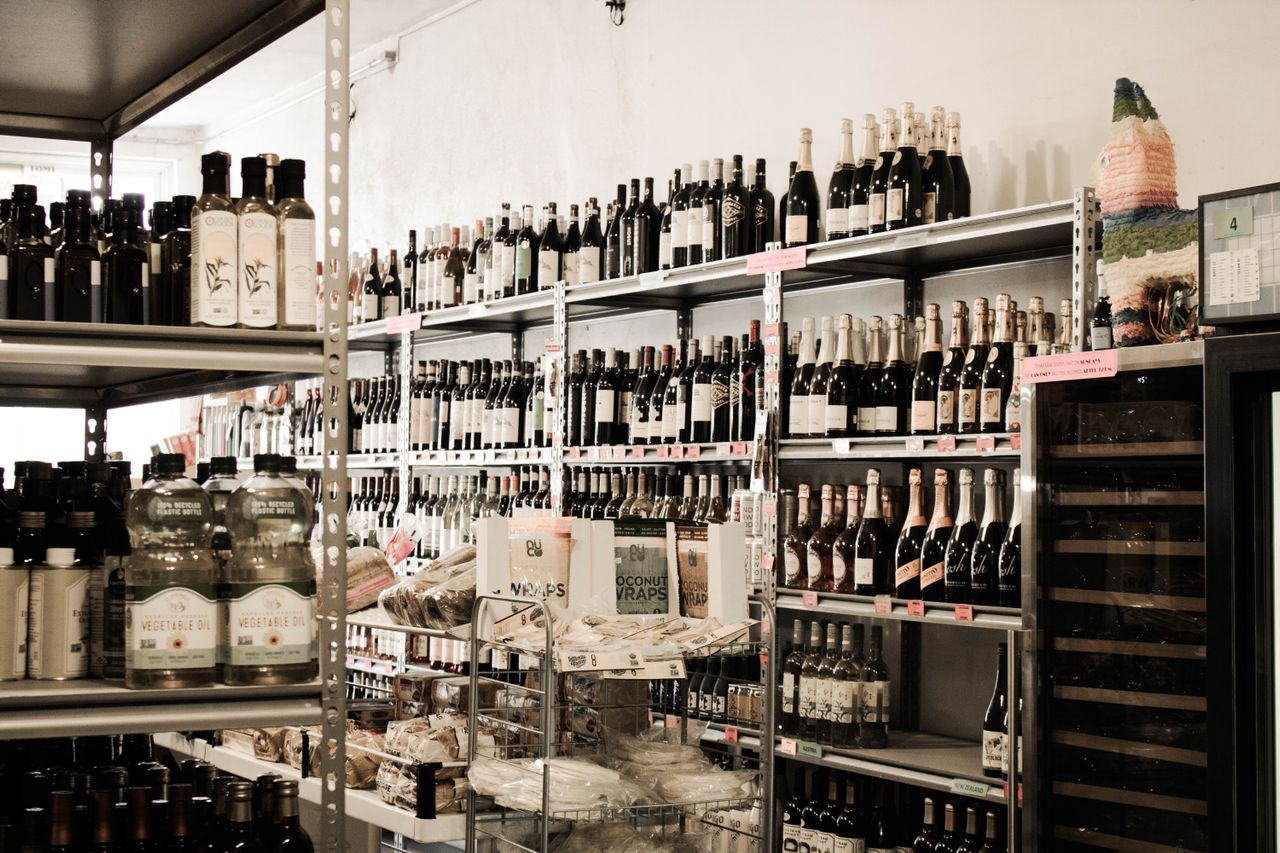
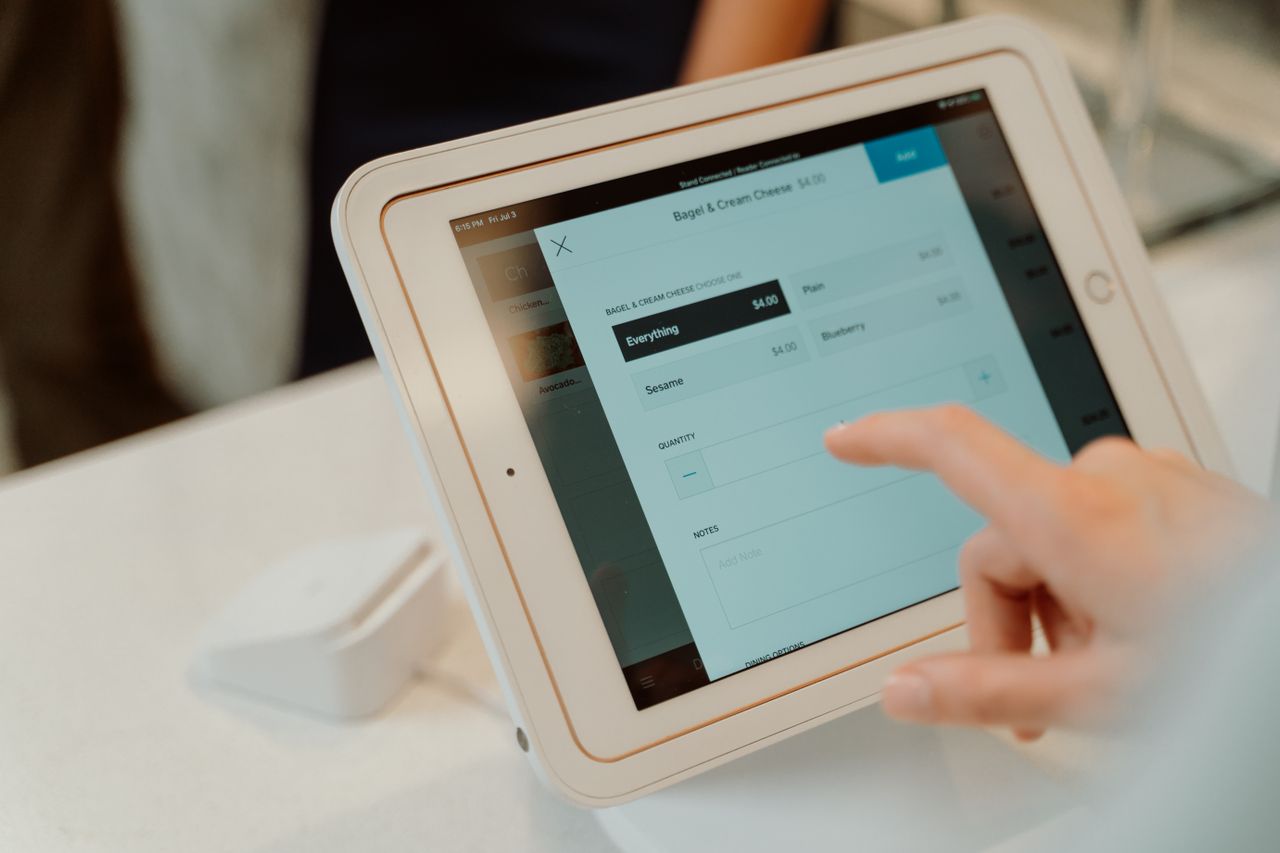
Bar inventory management directly impacts your bottom line. Without proper stock control, shrinkage from theft, over-pouring, and miscounted bottles can quietly drain profits. The right inventory software automates counting, flags variances against sales data, and provides actionable reports on your cost of goods sold (COGS). For operators juggling multiple responsibilities, inventory control deserves equal attention alongside workforce management and scheduling.
This guide breaks down 10 bar inventory management platforms for 2026, covering everything from free tools for independent bars to enterprise systems for multi-location groups.
Key Takeaways
- Bar inventory losses can result from over-pouring, waste, theft, and inaccurate stock records. Inventory software can help operators identify discrepancies and investigate their causes, although actual shrinkage rates and improvements vary by establishment.
- Free and low-cost options exist for single-location bars, with Backbar offering a free Basic plan and Bar Patrol starting at $49/month with annual billing, plus a separate scale purchase.
- POS integration is critical for automated variance tracking, and some platforms advertise integrations with more than 50 POS systems.
- Bluetooth scales can support precise partial-bottle measurements, although actual inventory accuracy depends on calibration and product data.
- Platforms like Craftable and Restaurant365 connect inventory with accounting and other back-office functions.
Understanding Bar Inventory Management Software: A Core Need for Profitability
Bar inventory management software replaces manual counting with digital tracking systems that sync with your point-of-sale data. The core function is simple: compare what you sold against what you used to identify variance.
Inventory software can help identify and track shrinkage through regular counts and variance reporting, giving managers information to address preventable losses. Reducing inventory shrinkage can lower beverage costs, but financial savings should be calculated using actual inventory consumption, product costs, and verified variance rather than applying a shrinkage percentage directly to sales.
Modern platforms go beyond basic counting to offer:
- Recipe costing that calculates pour costs per drink
- Variance reporting that compares theoretical usage to actual depletion
- Vendor management with integrated ordering from suppliers
- Multi-location dashboards for operators running multiple venues
For illustration, a three-percentage-point reduction in liquor costs could increase a 10% profit margin to 13%, representing a 30% relative improvement in profit if revenue and all other costs remain unchanged. Actual results depend on implementation expenses and operating performance.
Key Features to Look For in Bar Inventory Management Software
When evaluating bar inventory platforms, prioritize these capabilities:
POS Integration: Direct connection to your point-of-sale system enables automatic variance calculation. WISK's official documentation lists integrations with more than 50 POS systems, while other platforms may require CSV uploads.
Counting Method: Three primary approaches exist:
- Bluetooth scale weighing for precise partial-bottle measurements
- Tap-based estimation where staff mark liquid levels visually
- Barcode scanning for sealed bottle inventory
Mobile Access: Staff need to count in stockrooms and walk-in coolers where Wi-Fi may be spotty. Offline mobile functionality lets counts continue regardless of connectivity.
Reporting Tools: Essential reports include:
- Pour cost percentage by product
- Variance reports (actual vs. theoretical)
- Sitting inventory value
- Product velocity and turnover
Vendor Management: The ability to generate purchase orders and track invoices within the platform reduces double entry and keeps ordering data tied to inventory counts.
Comparing Top Bar Inventory Management Software Solutions
We compared these platforms based on counting method, POS integrations, reporting, pricing transparency, and multi-location support. The platforms below are listed in no particular order.
1. Backbar
Best for: Independent bars testing inventory software
Price: Free Basic plan. Essential starts at $79/month per location with annual billing, or $99 month-to-month. Professional starts at $129/month per location with annual billing, or $149 month-to-month.
Backbar offers a free Basic plan for one location with unlimited users, basic inventory counting, and limited reporting and recipe features.
Key Features
- Purchase-order tools that support ordering from participating beverage suppliers, subject to vendor and regional compatibility
- POS integration with Toast, Square, and Clover
- Mobile-first design that works offline in stockrooms
Limitations
- No Bluetooth scale support
- Free plan has limited reporting history, recipe limits, and restricted access to advanced reports
- Some state-controlled distribution systems cannot accept orders through the service
Backbar offers a low-cost entry point for bars that want to move beyond spreadsheets without committing to monthly fees.
2. WISK
Best for: Multi-location groups prioritizing automation
Price: Single Venue starts at $249/month, with five users, 1,000 SKUs, and 75 AI invoices per month. Multi-Outlet plans start at $499/month. Confirm billing terms directly.
WISK advertises 99.7% inventory accuracy and offers invoice automation, inventory counting, and POS-connected variance reporting. The accuracy figure is vendor-reported.
Key Features
- Integrations with more than 50 POS systems, according to WISK's official documentation
- Product database that WISK says includes 200,000+ bottles and 1.5 million food ingredients
- Bluetooth scale integration with offline mobile counting
- Multi-location dashboard with centralized oversight
Limitations
- Higher pricing than entry-level platforms; no free plan
- Single Venue plan limits users, SKUs, and AI invoices
- Confirm compatibility with your specific POS before purchasing
The AI-assisted invoice processing and variance detection automate tasks that typically require manual review. For multi-unit operators, the centralized dashboard provides visibility across locations.
3. Bar-i
Best for: High-volume bars needing third-party verification
Price: SpeedCount starts at $100/month. Pro Lite costs $250 per four-week period. SpeedCount Pro costs $250 per four-week period plus per-count service fees starting at $100. Equipment costs apply.
Bar-i combines inventory software with managed-service options. Bar-i illustrates how a three-percentage-point reduction in liquor costs could produce a 30% relative profit increase under certain margin assumptions. Actual savings vary.
Key Features
- Bluetooth scale counting, which Bar-i advertises to one-tenth of an ounce
- "Down to the serving" tracking for individual product performance
- Dedicated Success Agent support, setup assistance, and advanced recipe services through SpeedCount Pro
- 40+ POS integrations on eligible plans
Limitations
- Higher cost than many self-service alternatives
- Requires Bluetooth scale hardware
- Standard SpeedCount and Pro Lite provide different levels of self-service functionality than SpeedCount Pro
On SpeedCount Pro, Bar-i staff handle much of the data entry and analysis, providing an outside check on internal counts.
4. Partender
Best for: Bars prioritizing counting speed
Price: Subscription pricing. Confirm current monthly and annual rates directly with Partender.
Partender advertises inventory counts in as little as 15 minutes through its visual bottle-counting interface. Actual counting times depend on the operation. The platform has been featured on Paramount Network's "Bar Rescue."
Key Features
- Visual bottle identification and tap-based liquid-level estimation, with support for adding product images
- Blueprint mapping shows bottle images for quick visual ID
- Multi-device counting across iOS, Android, and web
Limitations
- No Bluetooth scale support
- Tap-based estimation is less precise than scale weighing
- Fewer POS integrations than some competitors
For bars where time is the primary constraint, Partender's interface prioritizes speed. The visual blueprint system matches the app layout to your physical bar setup.
5. Bar Patrol
Best for: Independent bars seeking full features at low cost
Price: $49/month with annual billing or $69/month with monthly billing. Compatible Bluetooth scale costs $129 in the United States or $159 internationally.
Bar Patrol targets the mid-market with transparent, all-inclusive pricing. Bar Patrol offers a lower published subscription price than several alternatives in this comparison, with Bluetooth scale compatibility available through a separate hardware purchase.
Key Features
- All features included at one price (no tiers)
- Bluetooth scale integration
- Blueprint mapping to match app layout to shelf order
- Monthly billing option
Limitations
- Bluetooth scale is a separate purchase
- Smaller user base means fewer independent reviews
The straightforward pricing model avoids the feature-tier differences common with larger platforms.
6. BevSpot
Best for: Full-service bars with substantial food programs
Price: Free trial with full feature access and no commitments. The Pro plan requires a custom quote.
BevSpot offers food and beverage inventory management. Its free trial includes access to all features and reporting, with implementation, onboarding, and training support during the trial.
Key Features
- Food and beverage inventory, ordering, recipe management, and transfers
- Product variance reporting and real-time expected inventory
- AI invoice processing with in-house validation on Pro
- Accounting integrations and a dedicated account management team on Pro
Limitations
- Pro pricing isn't published; requires a quote
- The free option is a trial rather than a permanent free plan
- Confirm billing terms, commitment length, and cancellation terms for your quote
BevSpot can handle kitchen inventory alongside beverage tracking, reducing the need for separate systems.
7. Craftable
Best for: Large hospitality groups requiring compliance and scale
Price: Custom quote required
Craftable (formerly Bevager) is built for hospitality groups managing beverage and food inventory at scale. Craftable advertises more than 1,000 integrations across POS, EDI, and API connections.
Key Features
- Craftable advertises SOC 2 compliance and SSO capabilities
- AI-assisted invoice processing
- Integrations including accounting systems
Limitations
- Pricing isn't published; requires a sales quote
- Enterprise customers should request current audit documentation and confirm SSO availability under their selected plan
- May be more than smaller operations need
Craftable's security and compliance features suit organizations with strict IT requirements.
8. BinWise
Best for: Wine-forward bars, hotels, and country clubs
Price: Quote-based
BinWise specializes in wine cellar management across multiple storage locations, serving hotels, casinos, and country clubs.
Key Features
- Wine cellar management across multiple storage locations
- BinWise advertises 30-plus POS integrations, including connections with Toast, Lightspeed, Square, MICROS, and TouchBistro
- Multi-location beverage inventory tracking with POS-connected reporting and barcode-supported counts
- Barcode scanning with automatic database population
Limitations
- Pricing isn't published; requires a quote
- Confirm the connection method for your POS
- Less suited to spirit-focused bars than wine-heavy programs
For operations where wine represents a significant inventory investment, BinWise offers specialized cellar tools.
9. MarginEdge
Best for: Operators where invoice processing is the primary bottleneck
Price: $350/month per location, or $315/month equivalent with annual billing. Freepour adds $150/month per location, plus a one-time $250 setup fee.
MarginEdge approaches inventory from the accounting side, offering automated invoice digitization, including support for photographed and handwritten invoices. Processing times may vary.
Key Features
- Invoice processing automation (photograph to digital)
- 50+ POS integrations with daily sync to accounting
- Freepour add-on adds scale-based bar counting
- Monthly billing is available. Review current subscription and cancellation terms before purchasing.
Limitations
- Bar inventory is an add-on rather than core functionality
- Higher base cost than dedicated bar inventory platforms
If your biggest pain point is invoice entry rather than physical counting, MarginEdge addresses that problem directly.
10. Restaurant365
Best for: Bars seeking inventory and accounting integration
Price: Custom quote required
Restaurant365 functions as a restaurant ERP. Restaurant365 offers accounting, inventory, and workforce management modules that can be combined depending on the selected package. Beverage inventory is one part of a broader operational platform.
Key Features
- Accounting, inventory, and workforce management modules
- Built for multi-location groups with standardized reporting
- Back-office AI for analytics and forecasting
Limitations
- Pricing isn't published; requires a sales quote
- May be excessive for bars only needing inventory
- Beverage features may be less specialized than dedicated bar platforms
For operators already using or considering Restaurant365 for accounting and labor, adding inventory keeps more of the back office in one platform.
Inventory Management Software for Small Bars and Independent Establishments
Single-location bars face different constraints than multi-unit groups. Budget typically matters more than advanced features, and ease of use outweighs integration depth.
Top Recommendations for Small Bars:
- Backbar (Free plan): The free Basic plan covers basic inventory counting for one location with unlimited users. Upgrade when you need fuller reporting, supplier ordering, or multi-location support.
- Bar Patrol ($49/month with annual billing): If you need Bluetooth scale precision but want to avoid enterprise pricing, Bar Patrol offers a lower published subscription price, with the scale sold separately.
- Partender (subscription pricing): When counting speed is the priority and your team struggles to complete weekly inventories, the tap-based interface is designed to shorten count time.
For operators just getting started, building consistent counting and ordering habits matters as much as the software. See our inventory management best practices for complementary strategies.
Free Inventory Management Tools: Excel Templates and Open-Source Options
Before committing to paid software, many bars start with spreadsheet-based tracking. While limited in automation, spreadsheets work for:
- Building the habit of weekly counting
- Understanding your baseline inventory patterns
- Evaluating whether paid software is worth the investment
Limitations of spreadsheet tracking:
- No automatic POS integration
- Manual variance calculations prone to error
- No vendor ordering functionality
- Difficult to scale to multiple locations
Spreadsheets can be practical for smaller operations, but manual counting and reporting may become more difficult as inventory volume and location count grow.
Integrating Bar Inventory with Your Point-of-Sale (POS) System
POS integration turns inventory software from a counting tool into a variance detection system. When your inventory platform pulls sales data automatically, it can calculate theoretical usage (what should have been poured based on sales) and compare it to actual usage (what was counted).
Integration depth varies by platform:
- Deep integration: Automatic variance reports at the serving level (WISK, Bar-i)
- Standard integration: Sales totals sync for cost calculations (Backbar, BevSpot)
- Manual integration: CSV exports required (some budget options)
For bars using leading bar POS systems, confirming that your inventory platform integrates directly before purchasing saves significant manual work.
Beyond Beverages: Managing Food Inventory in a Bar Setting
Bars with kitchen programs face additional complexity. Food inventory involves:
- Shorter shelf life requiring expiration tracking
- More SKUs across proteins, produce, and dry goods
- Different vendors than beverage distributors
- Menu engineering based on ingredient costs
Platforms like BevSpot and Craftable handle both food and beverage. Bars with limited food operations should assess whether dedicated food inventory tracking would provide enough operational value to justify the additional work and cost.
Choosing the Right Inventory Software: A Buyer's Guide for Bar Operators
Follow this decision framework to match software to your operation:
Step 1: Define Your Primary Problem
- Shrinkage and theft: Scale-based platforms (Bar-i, WISK)
- Time spent counting: Speed-focused options (Partender)
- Budget constraints: Value options (Backbar free, Bar Patrol)
- Multi-location visibility: Enterprise platforms (Craftable, Restaurant365)
Step 2: Confirm POS Compatibility. Check integration documentation before committing. A platform with great features but no connection to your POS requires manual data entry that defeats the purpose.
Step 3: Evaluate Total Cost. Consider beyond monthly fees:
- Hardware requirements (Bluetooth scales)
- Setup fees and service fees
- Setup and training time
- Annual vs. monthly billing discounts
Step 4: Request a Demo. Most platforms offer trials or demonstrations. Run a test inventory count to evaluate the actual workflow before committing.
The Bottom Line
Bar inventory platforms differ most in how they count and how much they cost to run. Independent bars on a tight budget can start with Backbar's free plan or Bar Patrol's low subscription, while bars that want quicker counts may prefer Partender's visual approach. Bars focused on precision and outside verification can compare WISK and Bar-i, and wine-heavy programs may look at BinWise. Operators who want inventory tied to invoices, food costs, or accounting can consider MarginEdge, BevSpot, Craftable, or Restaurant365.
Before choosing, add up the full cost, including scales, setup or service fees, and add-ons, and confirm the platform connects directly to your POS. Run a test count with your own bottles and staff to see how long it really takes, then check whether the variance reports match how you manage pour costs.
For bars that also want to tighten ordering, see our procurement software guide.
Frequently Asked Questions
What is the primary benefit of using inventory management software for a bar?
The primary benefit is variance detection. By comparing theoretical usage (based on sales) against actual usage (based on counts), inventory software identifies where liquor is disappearing. This visibility allows operators to address over-pouring, theft, and waste before they compound into significant losses.
Can free inventory management software adequately support a multi-location bar operation?
Free plans like Backbar's Basic plan support single locations only. Multi-location operations require paid plans that provide centralized dashboards, cross-location reporting, and standardized processes. Multi-location inventory pricing varies by platform, venue count, features, and reporting requirements. Request quotes that account for all locations and integration costs.
How does inventory software integrate with a bar's POS system?
Integration typically works through direct API connections where the inventory platform pulls sales data from your POS automatically. This enables the software to calculate theoretical pours per shift and compare them against physical counts. Some platforms advertise integrations with 50 or more POS systems, while others may require manual CSV exports.
What are the essential reports to look for in bar inventory management software?
Critical reports include pour cost percentage by product category, variance reports comparing actual to theoretical usage, sitting inventory value, product velocity showing which items sell fastest, and trend reports identifying patterns over time.
Is it necessary to track food inventory if my bar primarily sells drinks?
Bars with limited food operations should assess whether dedicated food inventory tracking would provide enough operational value to justify the additional work and cost. Bars with significant kitchen programs may benefit from platforms like BevSpot that handle both food and beverage, reducing the need to reconcile separate tools.
Join multi-unit operators getting practical guides and no-nonsense software breakdowns across hiring, onboarding, scheduling, payroll, compliance, and what's shifting in the industry.
Free. One email a week. Unsubscribe anytime.