Best Reservation Systems for Fine Dining Restaurants


Operators Daily is where multi-unit restaurant and hourly-workforce operators get smart, fast — practical guides and no-nonsense software comparisons across hiring, onboarding, scheduling, payroll, and compliance.
Popular articles
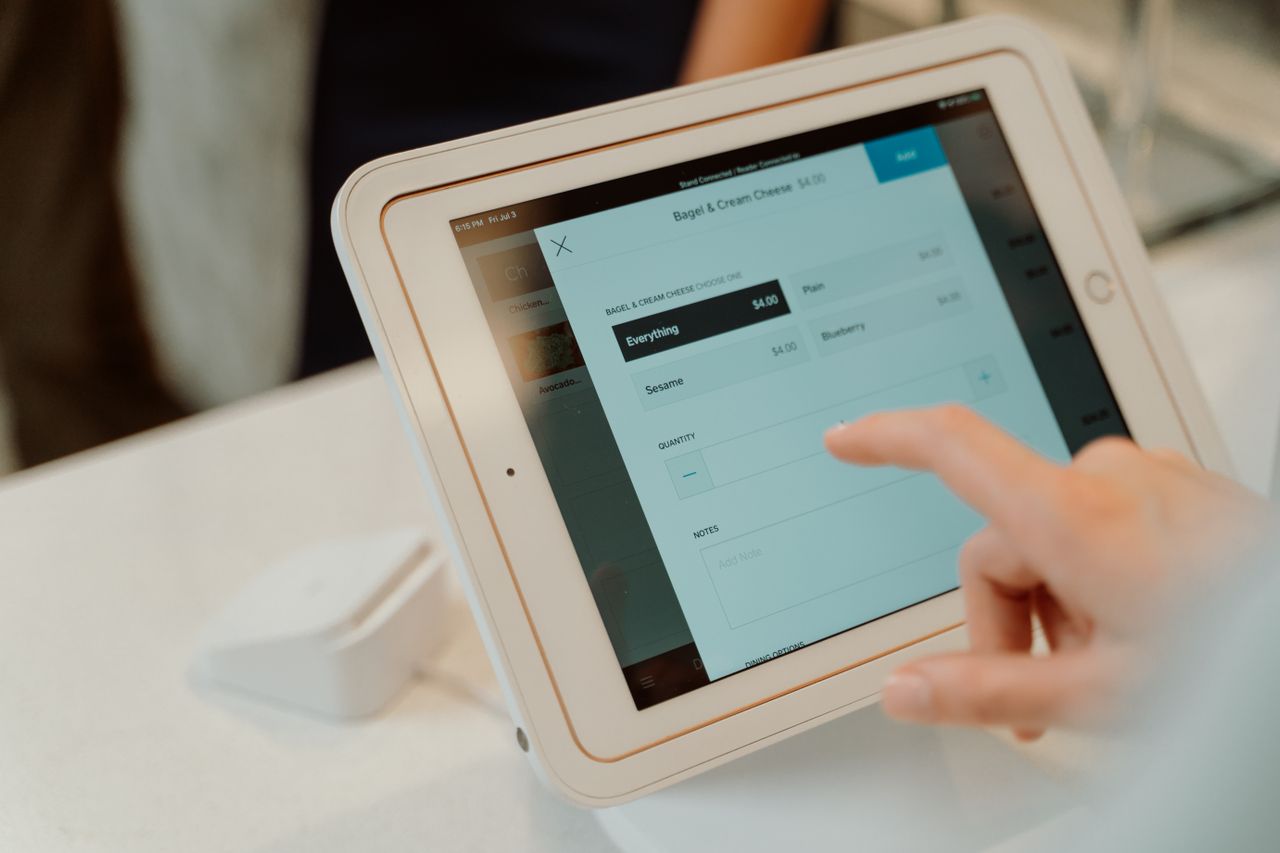
A no-show for a $400 tasting-menu reservation can represent significant lost revenue, particularly when the restaurant cannot refill the table at short notice. For fine dining operators, the reservation system is not just about filling tables. It is about protecting revenue, recognizing VIPs across visits, and delivering the personalized service that defines upscale hospitality.
At Operators Daily, we analyzed eight leading platforms based on VIP recognition, no-show prevention, cost structure, and multi-unit capabilities to help you choose the right system for your operation.
Key Takeaways
- SevenRooms offers cross-property guest recognition and CRM for multi-location groups, with custom-quote pricing and no cover fees on direct bookings.
- Tock supports prepaid and ticketed reservations that can discourage no-shows, with prepayment fees of 2-3% depending on the plan.
- Resy connects restaurants with American Express dining programs, and American Express reported more than 20% year-over-year growth in U.S. Consumer Card Member spending at U.S. Resy restaurants in Q4 2025.
- OpenTable reports seating more than 31 million diners through online reservations each month, but network cover fees add variable costs.
- Per-cover fees versus flat-rate pricing is a critical cost decision. Actual OpenTable costs depend on how many guests book through chargeable network channels.
Understanding the Unique Needs of Fine Dining Reservation Systems
Fine dining reservation systems require capabilities that extend far beyond basic table booking. When a guest spending $300 per cover arrives, your host needs instant access to their preferences, dietary restrictions, anniversary dates, and visit history. The system must protect your revenue from no-shows that can hurt a small dining room, and it needs to recognize VIPs whether they book at your flagship location or newest concept.
Beyond Basic Booking: What Fine Dining Demands
The core requirements for upscale reservation systems include:
- VIP recognition and CRM depth: Guest profiles that track preferences across visits and locations
- No-show prevention tools: Deposits, credit card holds, prepayment options, and automated reminders
- Pre-payment capabilities: Essential for tasting menus and special events
- Multi-location management: Central oversight with cross-property guest data sharing
- Integration with POS and marketing: Data flow that supports personalized service
Many operators have added restaurant technology in recent years, but the key is choosing technology built for fine dining's specific demands.
OpenTable: A Deep Dive into its Reservation Capabilities for Upscale Venues
Best for: Fine dining venues prioritizing restaurant discovery and reservations
Price: OpenTable Basic costs $149/month plus $1.50 per seated network cover. Core costs $299/month, and Pro costs $499/month, each with $1 per seated network cover. Direct website reservations are free on Core and Pro but may incur additional charges on Basic.
OpenTable reports seating more than 31 million diners through online reservations each month across its network. For fine dining venues in competitive markets, that discovery volume matters.
Key Features
- Large consumer-facing network for guest acquisition
- Analytics and reporting from a long-established platform
- Experiences feature for special events and ticketed offerings, with a 2% service fee on prepaid experiences
- Brand recognition that creates consumer trust
Limitations
- Network cover fees create variable costs that rise with network bookings
- On Basic, direct website bookings cost $0.25 per seated cover or can be covered by a $49 monthly flat-fee option
- Restaurants should review OpenTable's current agreement for any exclusivity, booking-inventory, or integration restrictions
OpenTable can help fill empty seats during slow shifts, provided your venue can absorb the variable costs of network bookings.
Exploring Top Restaurant Booking Software Alternatives
Beyond OpenTable, several platforms serve the fine dining segment, and American Express's ownership of both Resy and Tock has reshaped the competitive landscape. We compared the platforms below on VIP recognition, no-show prevention, cost structure, and multi-unit capabilities. They are listed in no particular order.
1. SevenRooms
Best for: Multi-location restaurant groups needing cross-property VIP recognition
Price: Custom quote required. DoorDash Reservations is included for eligible SevenRooms customers without additional booking commissions or cover fees.
DoorDash completed its acquisition of SevenRooms on June 13, 2025, in a transaction valued at approximately $1.2 billion. The acquisition expanded DoorDash's restaurant commerce offerings with reservation, guest relationship management, and marketing capabilities. SevenRooms provides reservation, guest management, and marketing software for restaurants and hospitality groups.
Key Features
- Cross-property guest recognition for multi-location groups
- CRM with custom guest fields and marketing automation
- Direct bookings (first-party data) plus DoorDash Reservations marketplace reach
- Zero per-cover fees on direct bookings
According to SevenRooms, Farmstead reduced its combined no-show and late-cancellation rate from 15% to 1% after introducing reservation deposits through SevenRooms.
Strengths
- Cross-property VIP recognition
- Restaurants retain ownership and control of first-party guest data collected through SevenRooms
- Deep CRM and marketing automation capabilities
Limitations
- Pricing isn't published; requires a quote
- Data access and marketing permissions for third-party reservations depend on the booking channel and guest consent
- Implementation may be complex for smaller operations
SevenRooms prioritizes first-party guest data and CRM over marketplace discovery volume.
2. Resy
Best for: Fine dining venues in major metros seeking high-spend clientele
Price: Resy Platform costs $289/month and Platform 360 costs $459/month, without per-cover reservation fees. Standard payment processing charges apply.
American Express acquired Resy in 2019 and completed its acquisition of Tock on October 15, 2024. The two services became part of American Express Global Dining, initially operating as separate products. In September 2026, participating Tock venues became discoverable through Resy, creating a network of more than 25,000 venues.
Key Features
- American Express cardholder integration with dining credits
- Flat-rate subscription pricing
- Premium brand positioning in the fine dining marketplace
- Customizable deposits, credit card holds, prepayments, and reservation communications that can help restaurants manage no-show risk
Resy connects restaurants with American Express dining programs and eligible cardholder benefits. American Express reported more than 20% year-over-year growth in U.S. Consumer Card Member spending at U.S. Resy restaurants in Q4 2025.
Strengths
- Connection to American Express dining programs and cardholder benefits
- Flat subscription pricing reduces per-cover uncertainty
- Strong brand recognition in fine dining
Limitations
- Smaller network than OpenTable
- Premium positioning may not suit all markets
- Platform changes ongoing as the Resy and Tock networks connect
3. Tock
Best for: Tasting menus, omakase, chef's counter experiences, and prix fixe concepts
Price: Essential costs $289/month with a 3% prepayment fee; Premium costs $459/month with a 2% prepayment fee. Standard payment processing charges apply.
Founded in 2014 by Nick Kokonas of Alinea, Tock treats the reservation as a financial commitment. Tock supports prepaid reservations and ticketed dining experiences that can discourage no-shows and help protect revenue when guests cancel or fail to attend. Tock is part of American Express Global Dining and the expanded Resy discovery network.
Key Features
- Prepaid ticketed reservations
- Dynamic pricing by time slot (6pm versus 8pm at different prices)
- Add-on experiences (wine pairings) sold at booking
- Participating Tock venues appear on Resy, but their bookings and reservation management continue through Tock
Tock's prepaid reservation tools may reduce no-show risk, but actual rates vary by restaurant, booking policy, and guest behavior.
Strengths
- Prepayment reduces financial exposure from no-shows
- Well suited to tasting menu and ticketed concepts
- Dynamic pricing can help manage demand by time slot
Limitations
- 2-3% prepayment fee on each prepaid transaction
- Prepaid model not appropriate for all dining styles
- Consumer perception of prepayment varies by market
4. Toast Tables
Best for: Restaurants already using Toast POS seeking integrated reservations
Price: Contact Toast for subscription pricing. Toast Tables includes 25 reservations per month, while Toast Tables Plus offers unlimited reservations and Experiences. Direct Toast Tables reservations have no per-cover booking fees.
Toast reported approximately 189,000 total platform locations as of September 30, 2026. Toast Tables is its integrated reservation and waitlist product for eligible Toast POS customers.
Key Features
- Real-time table status sync with the POS
- Reserve with Google integration
- Unlimited waitlist and table management
- Unlimited reservations and Experiences on Toast Tables Plus
Strengths
- Native integration for existing Toast customers
- No per-cover fees on direct Toast Tables reservations
- Fast adoption within the Toast ecosystem
Limitations
- Requires Toast POS (not available standalone)
- Base Toast Tables is limited to 25 reservations per month
- Less sophisticated CRM than dedicated platforms
5. Eat App
Best for: Independent fine dining restaurants seeking flexible reservation tools
Price: Free plan available for up to 100 monthly guests or covers. Paid Lite starts at $99/month, Core at $199/month, and Pro at $389/month, with discounted annual billing available. Confirm current package naming and limits directly.
Eat App uses a flat-rate model with a free plan, and it isn't tied to a single POS ecosystem, making it flexible for operators with varied technology stacks.
Key Features
- WhatsApp messaging integration for guest communication
- Multi-channel booking (Google, Instagram, Facebook, website)
- Zero per-cover fees on all plans
- Eat App integrates with supported restaurant POS systems. Confirm compatibility and additional integration fees for the selected subscription.
Strengths
- Free plan with table management, not just booking
- WhatsApp integration for international markets
- Flat-rate pricing without per-cover fees
Limitations
- Less brand prestige than Resy or SevenRooms
- No built-in consumer marketplace for discovery
- POS and payment integrations cost extra on some plans and are included in Pro
6. Resos
Best for: Restaurants seeking published subscription pricing without marketplace discovery
Price: Free for 25 monthly bookings; Basic $47/month, Plus $98/month, and Unlimited $149/month. Deposits and prepayments require the Online payments add-on, which costs extra on eligible plans, plus a 2% Resos transaction fee and Stripe processing charges.
Resos publishes its pricing, with no sales call needed to see costs. The company analyzed 3.77 million reservations for its No-Show Index 2026 report.
Strengths
- Published pricing for all subscription tiers
- Lower published subscription prices than several platforms in this guide
- Deposit, prepayment, and no-show fee capabilities are available on eligible paid plans through the Online payments add-on
Limitations
- Deposits and prepayments cannot be activated on the free plan
- Payments add-on, transaction fee, and Stripe fees add to total cost
- No consumer marketplace for guest acquisition
- Less suited to large multi-unit operations
7. Yelp Guest Manager
Best for: Fine dining in Yelp-heavy markets seeking local discovery
Price: Contact Yelp for current Guest Manager plan pricing, cover limits, and optional add-on fees.
Yelp Guest Manager captures diners when they are making dining decisions on Yelp, converting review-page traffic into bookings.
Key Features
- Direct bookings from the Yelp business page
- Reservations, waitlist, and table management
- AI-powered telephone answering and reservation assistance are available through Yelp Host, a separately priced product that integrates with Yelp Guest Manager
Strengths
- Converts high-intent local search traffic
- Reservations and waitlist in one system
- Optional AI phone assistance through Yelp Host
Limitations
- Yelp association may not fit all fine dining brands
- Lighter CRM depth than SevenRooms or Resy
- Yelp Host is listed at $249/month, or $199/month for Yelp Guest Manager customers
Key Features to Look for in a Fine Dining Online Reservation System
When evaluating platforms, prioritize these capabilities:
Essential Functionalities for Upscale Reservation Platforms
- Deposit and prepayment options: Credit card holds at booking protect against no-shows without requiring full prepayment
- Guest profile depth: Custom fields for dietary restrictions, seating preferences, occasion notes, and visit history
- Special request handling: System captures and surfaces notes to front-of-house staff automatically
- Multi-channel booking: Google Reserve, social media, website widget, and phone integration
- Cancellation policy enforcement: Automated communication of policies with ability to charge for late cancellations
Can Free Online Reservation Systems Meet Fine Dining Standards?
Free reservation systems can work as a starting point, but they carry significant limitations for upscale operations.
The Limitations of Free Systems for Upscale Restaurants
What free tiers typically include:
- Basic table booking (Eat App: up to 100 guests or covers per month; Resos: 25 bookings per month)
- Simple table management
- Limited guest profiles
- Basic confirmation emails
What free tiers typically lack:
- Advanced CRM and marketing automation
- Cross-property VIP recognition
- Deposit and prepayment capabilities
- Priority customer support
- Custom branding removal
- Comprehensive reporting and analytics
For fine dining testing a new concept or evaluating platforms before commitment, free plans from Eat App or Resos provide genuine functionality. Established fine-dining restaurants should compare paid subscription and transaction costs with the potential value of reduced no-shows, improved table utilization, and guest management tools.
Integrating Your Reservation System with Restaurant POS and Workforce Management
The reservation system should not operate in isolation. Integration with your POS creates data flow that enhances both operations and guest experience.
The Synergy Between Reservations and POS Systems
When your reservation system connects with your POS:
- Real-time table status: Hosts see when tables are cleared without checking with servers
- Guest spend history: Profiles include average check size and menu preferences from past visits
- Labor forecasting: Reservation volume informs scheduling decisions
- Connected workflows: Some reservation systems can share booking information with other restaurant management tools. Confirm whether kitchen preparation alerts and inventory-related workflows are supported.
Toast Tables integrates natively with Toast POS, while SevenRooms and Eat App offer POS integrations across multiple systems. For more on how reservation data reaches the dining room, see our fine dining POS guide.
Selecting the Best System: A Buyer's Guide for Fine Dining Operators
A Step-by-Step Approach to Choosing Your Reservation Platform
Step 1: Define your primary need
- Guest acquisition? Consider OpenTable or Yelp Guest Manager for discovery
- Data ownership? SevenRooms or Eat App with no marketplace dependency
- No-show protection? Tock for prepaid reservations or Resy for deposits and card holds
- Cost control? Resos or Eat App for flat-rate pricing
Step 2: Calculate true costs
For a fine dining venue seating about 800 diners per month (roughly 200 covers weekly; a full year averages closer to 867 per month):
- OpenTable Basic: If all 800 diners booked through OpenTable's network, Basic would cost 149 + (1.50 x 800) = $1,349 before any other applicable fees. Actual costs depend on how many guests book through chargeable channels.
- Resy Platform: $289 monthly subscription with no per-cover fees, plus payment processing
- SevenRooms: Custom quote with no per-cover fees on direct bookings
- Eat App Pro: $389 monthly subscription with no per-cover fees
Prepayment fees, payment processing, and add-ons apply to several of these platforms, so request a full quote for your booking mix.
Step 3: Request demos focused on fine dining workflows
- Ask to see VIP recognition across locations
- Test deposit and prepayment setup
- Evaluate guest profile depth
- Review no-show prevention tools
Step 4: Check contract terms
- Length of commitment required
- Cancellation policies
- Data portability if you switch platforms
- Price increase provisions
Future Trends in Fine Dining Reservations and Guest Management
What's Next for Upscale Restaurant Bookings?
Several trends are shaping the next generation of reservation systems:
- AI personalization: Systems that recommend optimal seating, predict preferences, and automate guest communication
- Predictive analytics: Using historical data to forecast demand and optimize pricing by time slot
- Contactless experiences: Digital check-in, mobile waitlist management, and text-based communication
- Cross-platform data unification: As DoorDash's acquisition of SevenRooms shows, delivery and dine-in data are converging
American Express's ownership of Resy and Tock signals consolidation in the premium segment, while DoorDash's SevenRooms acquisition suggests delivery platforms see dine-in guest data as strategically valuable.
The Bottom Line
Fine dining reservation platforms split along a few clear lines. Restaurants that depend on new-guest discovery may lean toward OpenTable or Yelp Guest Manager, while those that want to own guest data and recognize VIPs across locations can compare SevenRooms and Eat App. Tasting-menu and ticketed concepts often fit Tock's prepaid model, upscale venues that value American Express dining programs may look at Resy, and Toast POS customers can keep reservations in one system with Toast Tables. Independents watching costs can start with Resos or Eat App's published plans.
Before committing, estimate how many of your covers would come through paid network channels versus your own website and phone, then add prepayment, processing, and add-on fees to each subscription. Ask each vendor to demonstrate deposit setup, guest profiles, and cross-location recognition with your own scenarios, and confirm data portability in the contract.
For a broader comparison beyond fine dining, see our restaurant reservation systems guide.
Frequently Asked Questions
What is the most popular reservation system for fine dining restaurants?
OpenTable reports seating more than 31 million diners through online reservations each month across its network. Resy and Tock, both part of American Express Global Dining, are widely used in premium and tasting-menu dining, while SevenRooms focuses on multi-location guest management and first-party data. The right choice depends on whether discovery, prepayment, or guest data is your priority.
How do reservation systems help reduce no-shows in upscale restaurants?
Reservation systems reduce no-shows through credit card holds at booking, automated reminder messages, prepayment requirements, and cancellation fees. Tock's prepaid reservation tools may reduce no-show risk, and Resy supports deposits, card holds, and prepayments. According to the Resos No-Show Index 2026, reservations requiring no-show protection at Resos restaurants recorded a 0.80% no-show rate, compared with 2.47% for reservations without a payment requirement. Actual rates vary by restaurant, booking policy, and guest behavior.
Can a reservation system integrate with my existing restaurant POS?
Yes, most modern reservation systems integrate with major POS platforms. Toast Tables integrates natively with Toast POS. SevenRooms and Eat App integrate with multiple POS systems. OpenTable and Resy also offer POS integrations, though depth varies by platform. Always verify specific integration capabilities during your demo.
What are the benefits of using a paid reservation system over a free one for fine dining?
Paid systems offer advanced CRM with detailed guest profiles, deposit and prepayment capabilities, multi-location management, comprehensive analytics, priority support, and custom branding. For fine dining, these features help protect revenue (through no-show prevention), enable personalized service (through guest profiles), and support growth (through cross-property VIP recognition).
What key metrics should I track with my fine dining reservation system?
Track no-show rate and late cancellations, covers per time slot, average party size, booking lead time, guest return rate, cover value by booking source (direct versus marketplace), and conversion rate from website visits to bookings. These metrics help optimize pricing, staffing, and marketing spend.
Join multi-unit operators getting practical guides and no-nonsense software breakdowns across hiring, onboarding, scheduling, payroll, compliance, and what's shifting in the industry.
Free. One email a week. Unsubscribe anytime.