Best Website Builders for Food Trucks


Operators Daily is where multi-unit restaurant and hourly-workforce operators get smart, fast — practical guides and no-nonsense software comparisons across hiring, onboarding, scheduling, payroll, and compliance.
Popular articles
Running a food truck means juggling menu prep, location scouting, and customer service, often with minimal downtime between shifts. Your website should not add complexity to that workload. The right website builder helps customers find your truck, view your menu, and place orders without requiring you to learn code or spend hours on design.
Whether you are launching your first truck or expanding a fleet, this guide covers 10 website builders that address the unique needs of mobile food operations.
Key Takeaways
- Wix offers menu management, event tools, and online ordering through its restaurant and business products, subject to plan and feature eligibility.
- Square Online offers a free website and online ordering option with no monthly software subscription for food trucks already using Square POS. Standard online payment processing fees apply.
- Goodfynd is designed specifically for food trucks and mobile vendors and advertises no processing fees on its supported payment offerings.
- Hostinger's introductory website-building plans start around 2.49–2.99/month with a multiyear prepaid commitment, and renewal rates are higher.
- AI website builders like Zarla advertise generating an initial website draft in about 30 seconds, although owners should review and customize the content before publishing.
Why Your Food Truck Needs a Dedicated Website
Social media accounts help with visibility, but they do not give you control over customer experience or data. A dedicated website serves as your digital home base where customers can:
- View your full menu with accurate pricing
- Check your weekly schedule and current location
- Place orders for pickup without third-party app fees
- Contact you directly for catering inquiries
- Read reviews and see photos of your food
Without a website, you rely heavily on foot traffic, social media, and word of mouth. A basic site with your menu, schedule, and contact information makes it easier for hungry customers to find you when they search for food trucks in their area.
Mobile-friendly design is important because customers frequently use smartphones to discover restaurants, check menus, and place digital orders. Your site needs to display correctly on phones without requiring pinch-to-zoom navigation.
Choosing the Right Website Builder for Food Truck Operations
Not every website builder suits food truck needs. Restaurant-focused platforms often emphasize reservations and table management, features you will never use. The best food truck builders prioritize:
- Menu management: Easy updates when items sell out or prices change
- Location scheduling: Calendar or map showing where you will be each day
- Mobile optimization: Sites that load quickly and display cleanly on phones
- Online ordering: Built-in checkout or integration with ordering systems
- POS integration: Synced menu items between your website and payment terminal
When evaluating platforms, consider how often you need to update information. Food trucks change locations daily, adjust menus based on ingredient availability, and operate at events with short notice. Your builder should make these updates simple enough to handle from your phone between service rushes.
General e-commerce checkout is not the same as restaurant ordering. If you need pickup times, menu modifiers, order throttling, or kitchen workflows, confirm that the builder supports them natively or through an integration.
Free and Budget-Friendly Website Builders for New Food Trucks
These platforms keep upfront costs low for new trucks, though payment processing and renewal pricing still apply.
1. Square Online
Best for: Food trucks already using Square POS
Price: Square Free is $0/month. Square Plus is $49/month per location. Higher-tier plans and eligible add-ons are available, with payment processing charged separately.
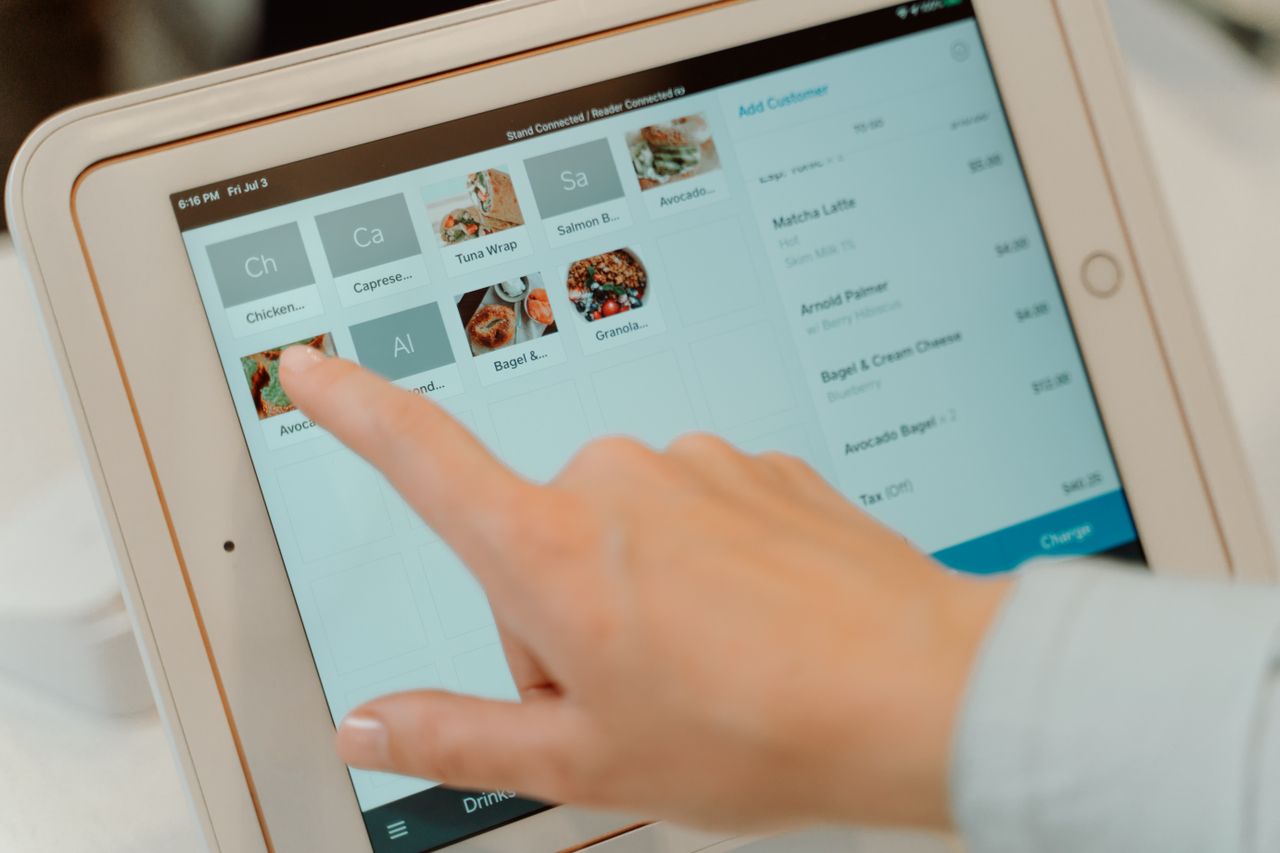
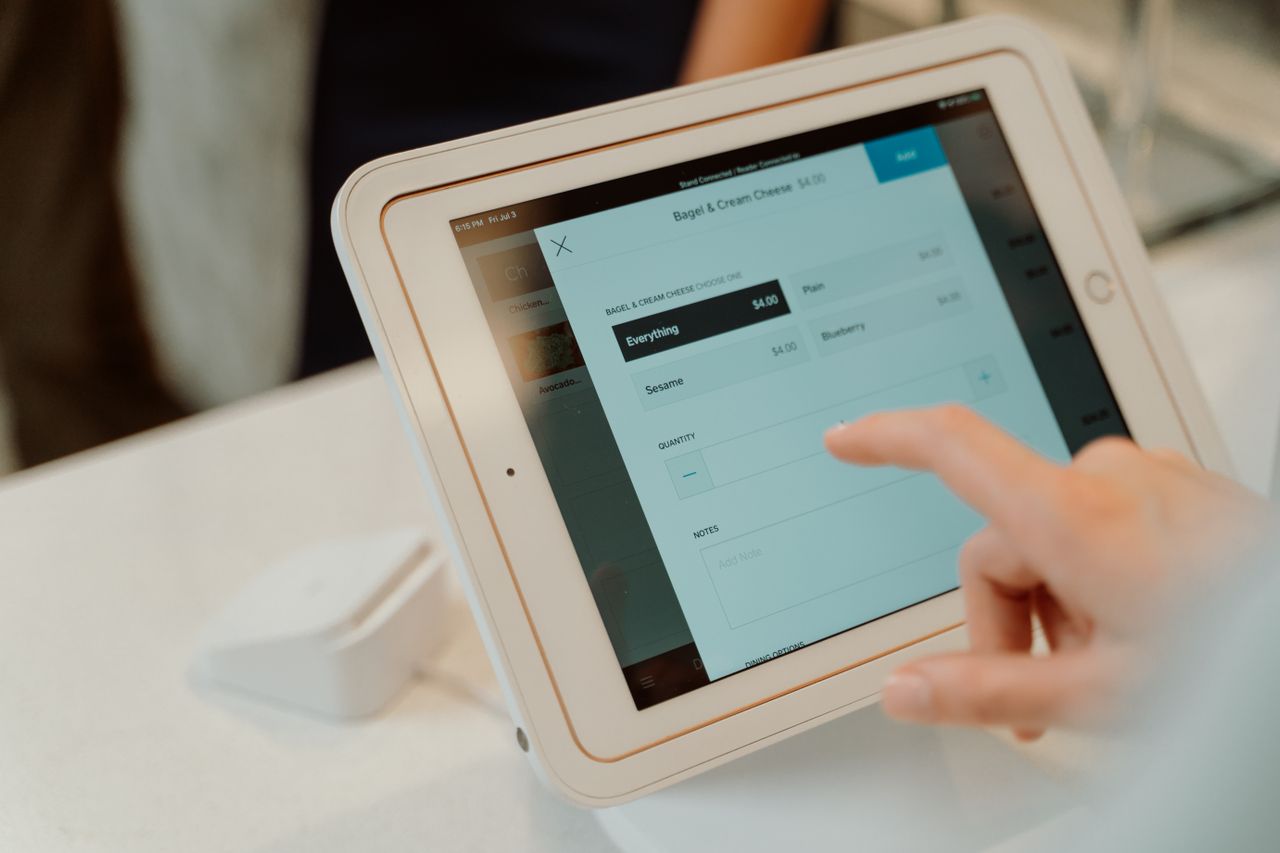
Square offers a free website and online ordering option with no monthly software subscription fee. Standard online payment processing fees apply. Square can synchronize supported menu items, item availability, and sales information between its POS and online channels. Ingredient-level inventory management may require additional tools.
Key Features
- Built-in pickup and delivery management
- Shared item library between POS and online store
- Single dashboard for in-person and online orders
- Online payment processing of 3.3% + 30¢ on Free, or 2.9% + 30¢ on Plus and Premium
Limitations
- Processing fees are higher on the Free plan
- Ingredient-level inventory tracking requires additional tools
- Best suited to operators already using Square hardware
The platform works best for operators who want a single control center for in-person and online sales without a monthly subscription.
2. Hostinger
Best for: New food trucks on tight budgets
Price: Introductory website-building plans start around 2.49–2.99/month with a multiyear prepaid commitment. Renewal rates are higher and depend on the selected plan.
Hostinger offers low introductory pricing and website-building
ing tools designed for relatively straightforward sites. Actual page speed depends on content, images, configuration, and hosting conditions.
Key Features
- AI-assisted website creation
- Customizable menu pages
- E-commerce capabilities on eligible plans
- Templates for food businesses
Limitations
- Lowest prices require a multiyear prepaid term
- Confirm support for restaurant-specific pickup and order-management workflows
- No native POS integration
This platform works well for food trucks that need a professional presence without complex features. The lack of a native POS integration means it suits operators who process orders separately from their website.
Leveraging AI Website Builders for Quick Food Truck Site Setup
AI builders generate a first draft of your site from a short description, which you can then edit and publish.
1. Zarla
Best for: Time-strapped owners who want an AI-written first draft
Price: Free to build and preview. Premium starts at $10.99/month with a 36-month prepaid commitment, or $29/month with monthly billing. Business plans cost extra.
Zarla advertises generating an initial AI-written website in approximately 30 seconds. Owners should review and customize the content before publishing. Type what your food truck serves and where you operate, and the platform generates pages with menu sections, contact forms, and about content.
Key Features
- Edit by chat: type changes and the site updates
- AI-generated pages from a short description
- Menu section with dishes, prices, and categories
- Free preview before publishing
Limitations
- Publishing requires a paid plan
- Lowest monthly price requires a 36-month prepaid term
- AI-generated content needs review for accurate menus, hours, and contact details
Zarla suits owners who want a fast starting point and are comfortable refining the content themselves.
2. GoDaddy
Best for: Quick launch with local visibility
Price: GoDaddy offers lower-cost website plans and separately priced commerce plans. Verify current introductory rates, renewal prices, and online-selling eligibility.
GoDaddy's Airo AI drafts websites in minutes and pairs them with local marketing tools. GoDaddy offers business listing and marketing tools that can help manage aspects of local online visibility.
Key Features
- Mobile-responsive by default without manual resizing
- Social media syncing to Instagram and Facebook
- Menu creation with GoDaddy Payments on eligible plans
- Business listing tools for local search visibility
Limitations
- Online selling may require a separately priced commerce plan
- Introductory rates differ from renewal prices
- Confirm which Google Business Profile fields can be synchronized
The platform works best for operators who need to get online quickly and want tools for local search visibility.
Essential Features for Your Food Truck's Website Design
These builders offer broader design and business tools for operators who want more control over their site.
1. Wix
Best for: Comprehensive food truck operations
Price: Wix Core includes payment acceptance and basic e-commerce features. Confirm current regional pricing and annual versus monthly billing at checkout.
The Wix Restaurants platform includes dedicated menu management, table reservations, and online ordering. Restaurant menus, online ordering, coupons, and additional business-management features are available through Wix products, subject to plan and feature eligibility.
Key Features
- Wix Events for RSVPs and ticket sales for food truck calendars
- AI website builder generates sites from prompts
- App market with delivery and marketing integrations
- Coupons, guest checkout, and multi-location tools, depending on plan
Limitations
- Pricing varies by region, promotion, and billing term
- Not every feature is included in Core
- Steeper learning curve than simpler builders
Wix offers broad functionality but requires more setup time. The platform suits food trucks that want a single builder for their website, online ordering, event management, and marketing.
2. Squarespace
Best for: Design-focused food trucks
Price: Squarespace offers Basic, Core, Plus, and Advanced website plans. Confirm current Core pricing and any third-party restaurant ordering costs before purchasing.
Squarespace focuses on visual presentation with templates featuring full-width food photography and minimalist designs, giving your site a polished look.
Key Features
- Menu blocks with mobile preview for easy customization
- Squarespace websites can link to or embed supported third-party restaurant services. Confirm whether each service provides a native integration, embedded widget, or external ordering link.
- Blueprint AI drafts multi-page sites from descriptions
- Template-based editing
Limitations
- No native, fully featured restaurant ordering workflow
- Third-party ordering services may add costs
- Commerce features vary by plan
The platform works best for upscale food trucks and concept-driven operations where visual branding drives customer interest.
Integrating Online Ordering Systems for Food Truck Efficiency
Online ordering reduces wait times at your window and captures sales from customers who want food ready when they arrive. Direct online ordering can reduce dependence on third-party marketplaces. However, restaurants should compare website subscriptions, payment processing, ordering integrations, and delivery fees.
1. Goodfynd
Best for: Food truck-specific operations
Price: Free platform plan available with online ordering. AI-powered Website + Online Ordering starts at $20/month. Pro costs $40/month and Growth costs $80/month, with annual-billing options.
Goodfynd is a platform designed specifically for food trucks and other mobile vendors. Its mobile-first POS works offline, and the website includes schedule management designed for operations that change locations daily.
Key Features
- Goodfynd advertises no processing fees on its supported payment offerings
- FyndAI Leads recommends events based on your cuisine and location
- AI-powered website plus online ordering starting at $20/month
- Schedule management and location tracking built for mobile operations
Limitations
- The website product is priced separately from the free platform plan
- Confirm applicable payment terms, limitations, and any third-party costs
- Smaller platform than general website builders
Goodfynd reports serving more than 500 mobile food businesses and waiving over $650,000 in processing fees. It works best for operators who want purpose-built tools rather than adapting general restaurant software.
2. Shopify
Best for: Multi-truck operations and merchandise sales
Price: Shopify Basic starts at $29/month, Grow at $79/month, and Advanced at $299/month with annual billing. Check monthly billing rates and payment-processing charges.
Shopify provides multi-location inventory management for retail products and merchandise. Food truck operators should verify support for ingredient-level tracking and restaurant-specific workflows.
Key Features
- Shopify POS Pro is available for an additional $89/month per location and provides advanced in-person retail management capabilities
- Sell through Instagram, Facebook, and TikTok
- Automatic tax calculations across states
- Multi-location inventory synchronization
Limitations
- POS Pro is separate from the base Shopify subscription
- Built for retail rather than restaurant ordering
- Ingredient-level food inventory requires verification
The platform suits food truck owners expanding to multiple units or selling branded merchandise alongside food.
Comparing Top Website Builders for Restaurant and Food Truck Needs
These options offer more specialized design services or customization tools.
1. BentoBox
Best for: Clover POS users wanting a design-led restaurant website
Price: Contact Clover for current BentoBox package pricing and eligibility.
BentoBox's restaurant website and commerce services are now part of Clover. New customers must use Clover POS to access BentoBox products, which focus on design-led restaurant websites.
Key Features
- Design-led restaurant website templates
- Restaurant commerce tools such as online ordering and gift cards
- Marketing tools for restaurants
- Integration with the Clover ecosystem
Limitations
- New customers must use Clover POS
- Pricing isn't published; contact Clover for a quote
- Higher cost than DIY builders
BentoBox suits upscale food trucks that already use Clover and want brand presentation to drive customer perception.
2. Snapps.ai
Best for: Widget-based customization
Price: Single Site starts at $19/month, Starter Pack at $79/month, and Decade Pack at $159/month, with discounts for annual billing.
Snapps.ai offers drag-and-drop website building, e-commerce capabilities, and AI-assisted design tools. Confirm support for menu displays, changing food-truck locations, and review widgets.
Key Features
- Drag-and-drop templates and widgets
- AI-assisted design tools
- Custom Code developer mode for advanced users
- E-commerce capabilities
Limitations
- Food truck-specific widgets should be confirmed before purchasing
- Higher tiers are priced for multiple sites
This platform works well for operators who want granular control over specific features without building from scratch.
Designing an Effective Google Business Profile for Your Food Truck
Your Google Business Profile often appears before your website in search results. Optimizing this profile improves visibility for near me searches and gives customers quick access to your hours, location, and reviews.
Key optimization steps:
- Add high-quality photos of your truck and food weekly
- Update business hours for each location or event
- Post updates about menu specials and upcoming events
- Respond to all reviews, positive and negative
- Add your menu directly to the profile
Several website builders offer tools that connect with Google Business Profile, including GoDaddy, Wix, and Square Online. Confirm which profile fields each builder can update before relying on automatic syncing.
Understanding the Cost of Building and Maintaining a Food Truck Website
Website costs extend beyond monthly subscription fees. Here is what to budget:
One-time costs:
- Custom domain registration: $10 to $20 per year
- Professional food photography: $200 to $500 (optional but recommended)
- Logo design: $50 to $300 (if not already created)
Monthly costs:
- Website builder subscription: $0 to $299 depending on platform
- Payment processing fees: vary by platform, plan, and payment method; Goodfynd advertises no processing fees on its supported payment offerings
- Email marketing tools: $0 to $30 for small lists
Annual maintenance:
- Domain renewal: $10 to $20
- SSL certificate: Usually included with builders
- Content updates: Your time
For food trucks on tight margins, Square Online's free plan or Hostinger's introductory pricing provides a functional website with low upfront costs, keeping in mind processing fees and renewal rates. As your operation grows, platforms like Wix or Shopify offer broader features at higher costs. If you are also choosing how to take payments at the window, see our payment processing guide.
The Bottom Line
For most food trucks, the right builder depends on how you take payments and how much time you have for setup. Trucks already on Square can launch a free site tied to their POS, while operators who want tools built around changing locations and events may look at Goodfynd. Owners short on time can start with an AI draft from Zarla, GoDaddy, or Hostinger, and those who want more design control or business features can compare Wix and Squarespace. Shopify fits fleets that also sell merchandise, BentoBox is an option for Clover users, and Snapps.ai suits operators who want widget-level customization.
Before you commit, compare the full monthly cost after any introductory period, including renewal rates, payment processing, and ordering add-ons. Test how quickly you can update your menu and location from your phone, and confirm whether online orders reach you in a workflow your crew can handle during a rush.
For more on choosing a POS that connects to your website, see our restaurant POS systems guide.
Frequently Asked Questions
What is the best website builder for a food truck on a budget?
Square offers a free website and online ordering option with no monthly software subscription fee, with standard online payment processing of 3.3% + 30¢ on the Free plan. For paid options, Hostinger's introductory website-building plans start around 2.49–2.99/month with a multiyear prepaid commitment, and renewal rates are higher.
Can I accept online orders directly through my food truck's website?
Yes. Square Online and Goodfynd include online ordering, and Wix offers online ordering through its restaurant products. Shopify and GoDaddy support online selling on eligible plans, and Squarespace can link to or embed third-party ordering services. Processing fees vary by platform, subscription plan, payment method, and region. For example, Square Free charges 3.3% + $0.30 for standard online card payments, while Goodfynd advertises no processing fees for its supported payment services.
How important is mobile responsiveness for a food truck website?
Critical. Customers frequently use smartphones to discover restaurants, check menus, and place digital orders, and people searching for food trucks are often on their phones while out. The builders in this guide offer mobile-responsive templates, but preview your site on a phone before publishing.
What information should I include on my food truck's website?
At minimum, include your full menu with prices, weekly schedule or location tracker, contact information for catering inquiries, photos of your food and truck, and links to your social media accounts. Adding online ordering can capture sales from customers who want food ready at pickup.
How can I update my food truck's location and schedule on my website effectively?
Goodfynd includes built-in schedule management designed for mobile operations. Wix Events handles location calendars with RSVP features. For simpler needs, most builders let you edit a calendar page directly from your phone. Choose a platform that makes daily updates quick enough to handle between service rushes.
Join multi-unit operators getting practical guides and no-nonsense software breakdowns across hiring, onboarding, scheduling, payroll, compliance, and what's shifting in the industry.
Free. One email a week. Unsubscribe anytime.