
Operator's Daily is where multi-unit restaurant and hourly-workforce operators get smart, fast — practical guides and no-nonsense software comparisons across hiring, onboarding, scheduling, payroll, and compliance.

Popular articles
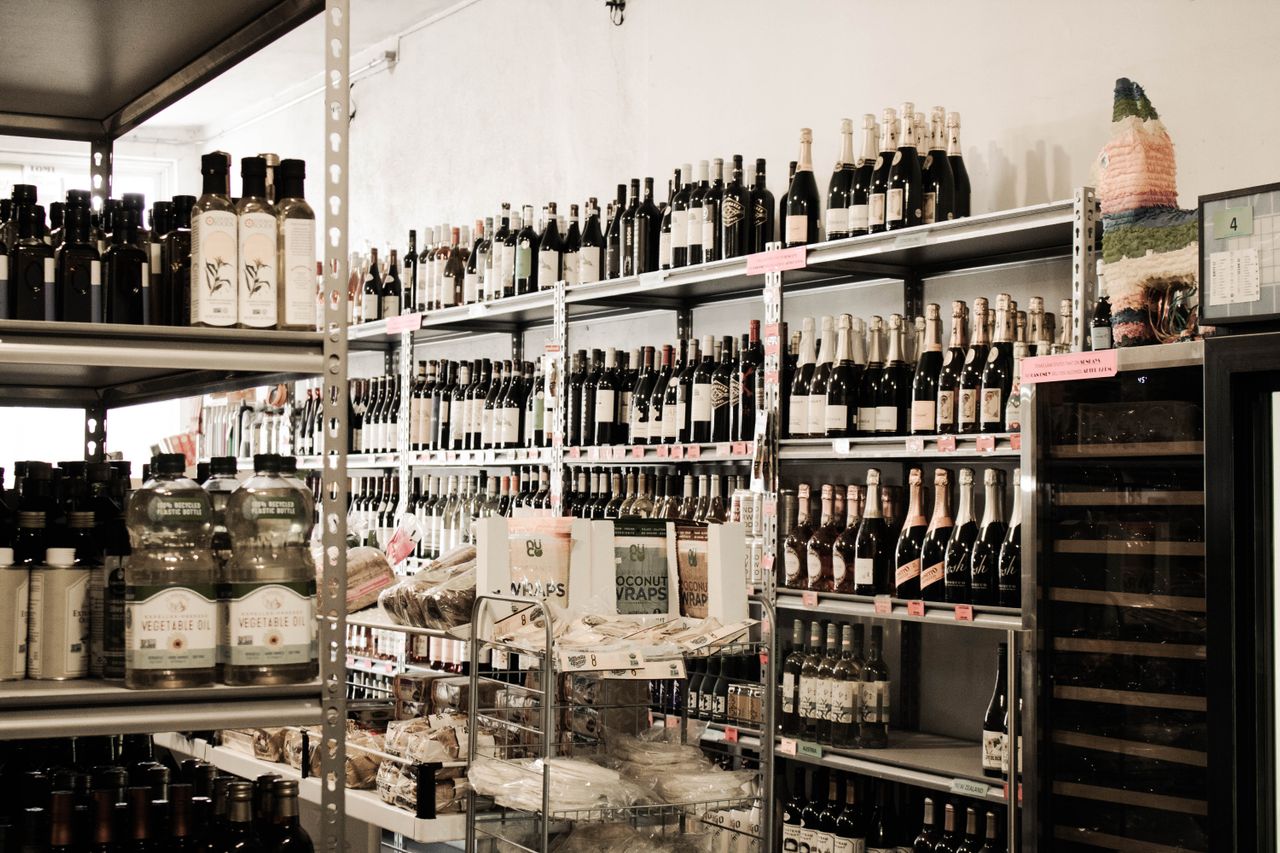
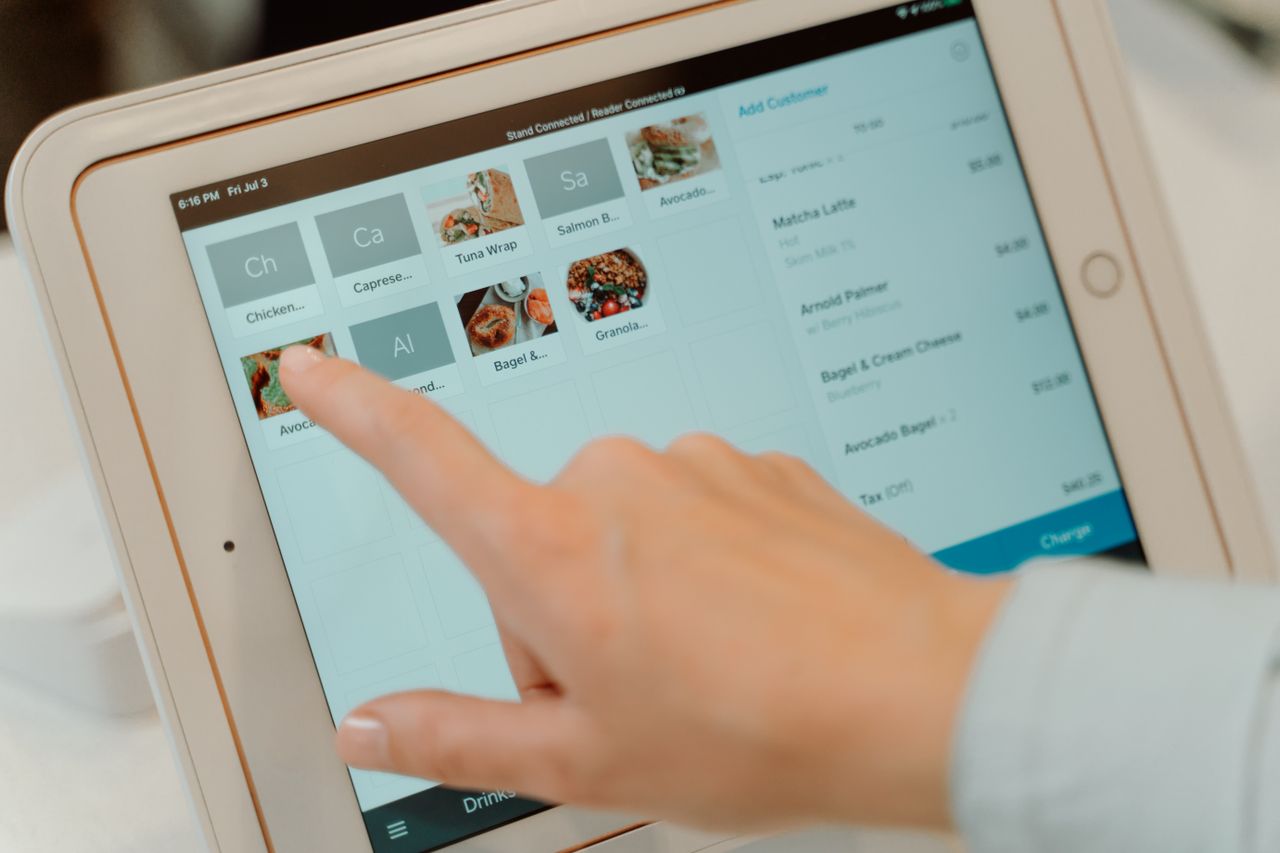
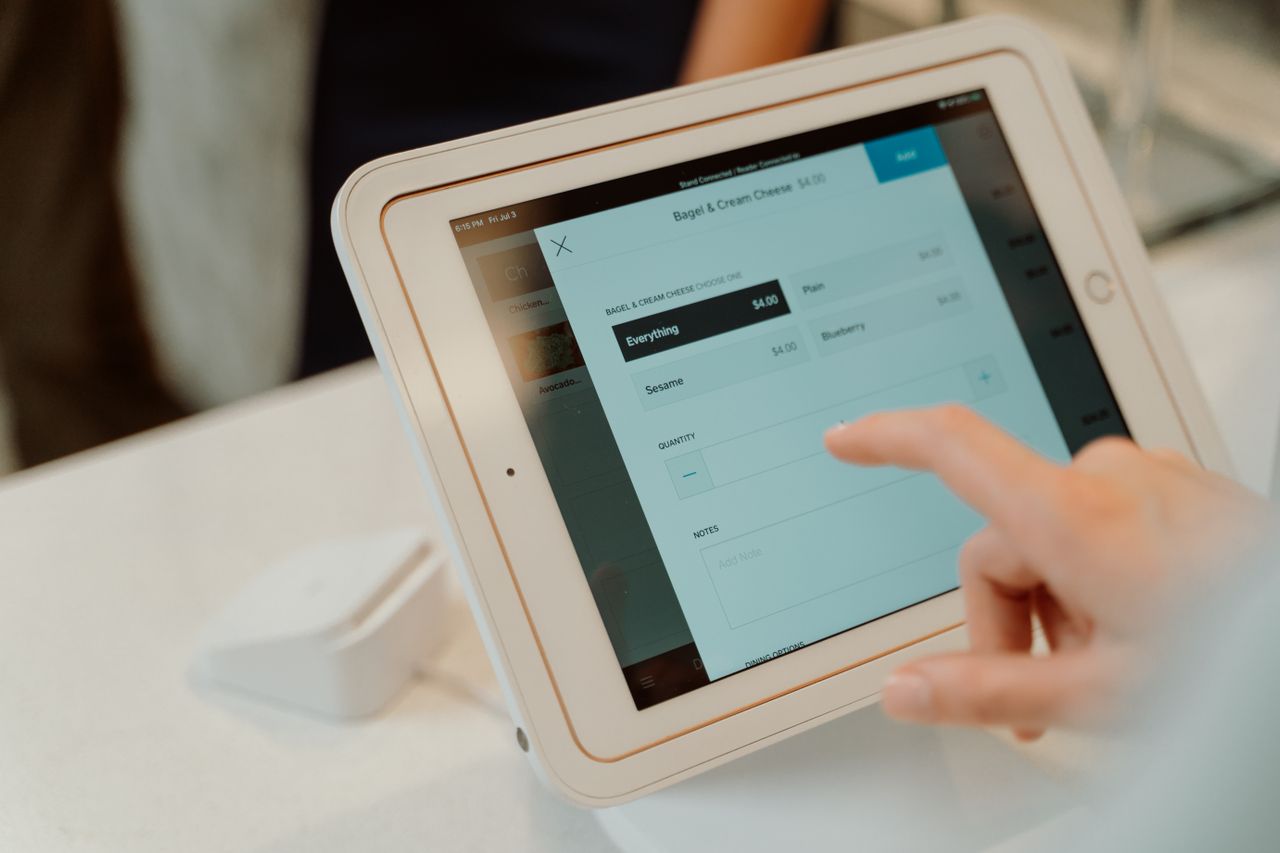
Running a small restaurant in 2026 means balancing orders, staff schedules, inventory, and customer expectations while protecting already tight margins. The right point of sale system can streamline these daily challenges or create new bottlenecks. Whether you manage a single cafe or multiple locations, choosing the right restaurant POS software directly affects your bottom line.
This guide compares nine leading restaurant POS platforms on pricing, processing rates, contract terms, hardware, and the features small operators actually use day-to-day. Before selecting a system, operators should also consider how their POS integrates with restaurant scheduling software and other workforce management technology to create a unified tech stack.
Key Takeaways
- Toast suits full-service restaurants with a native kitchen display system and commercial-grade Android hardware built for restaurant environments.
- Square offers the lowest barrier to entry, with a genuinely free software tier and no long-term contract.
- Processing fees matter as much as software costs. A 0.5% difference on $500,000 in annual card revenue equals $2,500 a year, often more than the hardware.
- Multi-location operators should prioritize centralized reporting and workforce management features.
- Some $0-software plans offset the subscription through higher processing rates, processing minimums, or multi-year terms, so read the full agreement.
Understanding the Core: What is a POS System for Small Restaurants?
A restaurant POS system is the central hub where transaction processing, order management, inventory tracking, and reporting converge. Modern cloud-based systems go far beyond simple cash registers, offering features like:
- Real-time sales analytics and reporting
- Ingredient-level inventory management, where the platform or an add-on supports it
- Table and floor plan management
- Online ordering integration
- Kitchen display system (KDS) connectivity
- Employee time tracking and scheduling
For small restaurant operators, the POS becomes the operational backbone. It tracks every transaction, monitors stock levels, and generates the data needed to make informed business decisions.
Key Features to Look for in Restaurant POS Software
When evaluating restaurant POS systems, prioritize features that address your specific operational needs.
- Table Management and Floor Plans: Full-service restaurants need visual floor plan tools to track table status, manage reservations, and optimize seating.
- Menu Customization: Look for systems that allow easy modifier creation, combo building, and seasonal menu updates without technical support.
- Employee Management: Time tracking, shift scheduling, and tip management features reduce the need for separate workforce tools. SpotOn, for example, offers dedicated labor management through SpotOn Teamwork.
- Kitchen Display Systems: Native KDS integration routes orders directly to kitchen screens, reducing ticket errors and improving speed of service.
- Online Ordering Integration: Direct integration with delivery platforms and branded online ordering reduces manual entry and commission fees.
- Offline Mode: Internet outages happen. TouchBistro, for example, can continue core POS operations during an outage using its local connection. Confirm what each vendor's offline mode actually covers.
For restaurants managing hourly teams, connecting your POS with proper onboarding processes matters. Check out our restaurant onboarding software buyer's guide for complementary tools.
9 Best Restaurant POS Systems for Small Operators
We evaluated these platforms on pricing transparency, processing rates, contract flexibility, hardware options, and restaurant-specific functionality. Here are the top options for small restaurant operators.
1. Toast
Best for: Full-service restaurants and multi-location operators
Price: Starter Kit from $0/month; the Point of Sale plan starts at $69/month, with custom pricing for broader configurations
Processing: Flat-rate Point of Sale processing starts at 2.49% + 15¢ for in-person transactions; other plans may use different rates
Toast is built specifically for restaurants, with extensive adoption across restaurant brands of all sizes and a hardware line designed for kitchen conditions.
Key Features:
- Native kitchen display system with real-time order routing from POS to kitchen stations
- Commercial-grade Android hardware designed for restaurant environments, with spill-resistant models
- Toast IQ AI assistant for analyzing sales, labor, menu, guest, and operational data
- Toast Tips Manager for automated tip-pool calculations and distributions
- Integrated employee scheduling through its broader team-management suite
Limitations:
- Tips Manager, scheduling, and other team tools are separate products within the platform rather than universal base-plan features
- Processing rates vary by plan and arrangement
- Contract terms vary by offer and order form, so confirm the term before signing
Toast fits operators who want restaurant-specific depth and plan to grow into the wider platform.
2. Square
Best for: Startups, cafes, and budget-conscious operators
Price: $0/month for Free; Plus is $49/month and Premium is $149/month per location
Processing: 2.6% + 15¢ on Free, 2.5% + 15¢ on Plus, and 2.4% + 15¢ on Premium for in-person card payments
Square's free tier covers basic inventory, table and course management, and an online ordering profile. The system works with existing iPads (BYOD), and hardware starts with a low-cost card reader.
Key Features:
- Genuinely free software tier with core POS functionality
- Month-to-month pricing with no long-term contracts
- Employee timecards tracking breaks and overtime, plus scheduling and tip pooling
- Intuitive interface requiring minimal training
- Advanced restaurant inventory available through Square Restaurant Inventory by MarketMan at $99/month per location
Limitations:
- Ingredient-level inventory is a paid add-on rather than part of the free tier
- Several restaurant-specific capabilities aren't available on Free
- The free plan carries the highest in-person processing rate of the three tiers
- Premium is priced per location, which adds up across multiple sites
Square offers the lowest barrier to entry for new restaurants still validating their concept.
3. Clover
Best for: Restaurants needing flexible hardware and customization
Price: Varies by Clover provider, package, and device configuration
Processing: Rates vary by plan, agreement, and transaction type; Clover says eligible rates can be as low as 2.3% + 10¢
Clover is distributed through Clover directly and through bank and reseller partners, so pricing and terms differ depending on where you buy.
Key Features:
- App marketplace for third-party integrations
- Multiple hardware options including Station, Mini, and Flex handheld
- Durable construction suited to kitchen environments
- Restaurant-specific software packages
Limitations:
- Published rates are "as low as" figures rather than guaranteed pricing
- Some hardware packages use 36-month financing, though outright purchase options are also available
- The reseller model produces inconsistent pricing and support experiences, so vet your provider
Clover fits operators willing to compare offers across providers before committing.
4. Lightspeed Restaurant
Best for: Multi-location operators and inventory-heavy operations
Price: Starter at $69/month, Essential at $189/month, and Premium at $399/month
Processing: Varies by plan and merchant agreement; integrated payment pricing is listed as default on Starter and custom on higher tiers
Lightspeed's advanced inventory tools help operators reduce food waste and manage costs, which suits kitchens with complex ingredient lists.
Key Features:
- Advanced inventory management with recipe-level tracking
- Multi-location management and reporting
- Advanced Insights analytics and Lightspeed AI
- Online and contactless ordering, with availability varying by tier
Limitations:
- Several capabilities are plan-dependent or sold as add-ons rather than included across all tiers
- Integrated payment rates are custom on higher plans, so request a written rate
- Higher entry price than free-tier options
Lightspeed suits operators who will use the inventory depth they're paying for.
5. TouchBistro
Best for: iPad-focused full-service restaurants
Price: Custom quote required
Processing: Rates vary by processor and merchant profile; TouchBistro supports integrated payment-processing options
TouchBistro runs on a hybrid local-cloud architecture, which keeps core operations running when connectivity drops. It was built by restaurant professionals and excels at guest management and dining room control.
Key Features:
- Continues core POS operations during an internet outage using its local connection, including taking and closing orders, KDS routing, and supported offline payments
- iPad-native design with floor plan and table management
- Guest management and dining room control tools
- Integrated payment-processing partner options
Limitations:
- Pricing isn't published; requires a quote
- Cloud-dependent functions may be unavailable during an outage
- Add-on modules are priced separately from the base POS
TouchBistro works for full-service restaurants that need transactions to continue when the internet doesn't.
6. SpotOn
Best for: Labor management and workforce-heavy operations
Price: All-In at $0/station/month with POS hardware included; POS Essentials at $55/station/month; Build Your Own at custom pricing
Processing: All-In is 2.79% + 20¢ card-present; POS Essentials is 2.45% + 15¢, except Amex at 3.19% + 15¢
SpotOn pairs its POS with dedicated labor management through SpotOn Teamwork, which includes scheduling, tip management, and payroll integration.
Key Features:
- SpotOn Teamwork for scheduling, tip management, and payroll integration
- All-In plan includes POS hardware at $0 per station per month
- Two published pricing models, trading software cost against processing rate
- Restaurant marketing and loyalty tools, depending on the selected software bundle
Limitations:
- The All-In plan recovers hardware and software costs through a higher processing rate, processing minimums, and a two-year minimum term
- Amex is processed at a notably higher rate on POS Essentials
- Loyalty and marketing availability depends on the bundle you select
SpotOn suits operators who want labor tools built into the same platform as their POS.
7. SumUp
Best for: Food trucks, pop-ups, and mobile operations
Price: Standard at $0/month; POS Plus at $49/month; SumUp POS plans start at $99/month; POS with Connect Pro is $289/month and adds expanded loyalty and marketing
Processing: 2.6% + 10¢ per card-present transaction
SumUp offers straightforward pay-as-you-go pricing and low-cost portable card readers, which suits operators who move between locations.
Key Features:
- $0/month Standard plan with per-transaction pricing only
- Portable card reader options, with the Solo at $99 and Terminal at $249
- Loyalty and marketing tools on the Connect Pro package
- Straightforward setup and ease of use
Limitations:
- Fewer restaurant-specific features than dedicated restaurant platforms
- Loyalty and marketing require the higher-priced Connect Pro package
- Confirm offline capabilities directly if connectivity is unreliable at your sites
SumUp fits mobile and low-volume operations that want minimal fixed costs.
8. Revel Systems
Best for: Enterprise and franchise operations
Price: Custom quote required
Processing: Custom rate tailored to the business
Revel Systems, acquired by Shift4 in 2024, is a cloud-based POS focused primarily on multi-location merchants and restaurants, with back-office and marketing tools.
Key Features:
- Centralized multi-location management
- Back-office and marketing tools
- API and webhook capabilities for integrations
- Scalability for larger restaurant groups
Limitations:
- Pricing, processing rates, and contract terms all require a quote
- Overkill for single-location independents
- Confirm specific integrations directly, as the feature set has shifted since the acquisition
Revel fits larger restaurant groups requiring centralized control across locations.
9. Epos Now
Best for: Restaurants wanting delivery and online-ordering integrations
Price: Varies by package; current U.S. bundles generally include an upfront hardware charge plus a monthly software fee
Processing: Contact Epos Now for current U.S. pricing
Epos Now provides restaurant inventory, KDS, online ordering, delivery integrations, reporting, and multi-location functionality across multiple device types.
Key Features:
- Third-party delivery integrations including Uber Eats and DoorDash
- Online ordering and delivery functionality
- Restaurant inventory, KDS, and reporting
- Works on multiple device types
Limitations:
- U.S. processing rates aren't published; request a quote
- Pricing typically combines an upfront hardware cost with a monthly fee on a term
- Package pricing varies, so confirm what's included
Epos Now suits restaurants building around delivery and online ordering channels.
A Note on Owner.com
Operators researching POS systems often encounter Owner.com, but it isn't a POS. Owner is an online ordering, restaurant website, branded app, loyalty, and marketing platform that connects to the POS you already run. It builds customer lists, drives repeat orders, and converts guests to branded app downloads, which complements a POS rather than replacing one.
Owner currently publishes two U.S. plans: $249/month plus a 5% restaurant fee per order, or $499/month flat rate with no additional restaurant fees. Both are month-to-month. Owner publishes customer sales-growth figures on its site; treat those as vendor-reported outcomes rather than expected results.
Budget-Friendly Options: Cheapest POS Systems for Small Restaurants
For operators watching every dollar, a few systems offer genuine $0 monthly software:
- Square: $0/month Free plan with core POS functionality and no long-term contract
- SumUp: $0/month Standard plan, paying only per transaction
- Toast: $0/month Starter Kit
SpotOn's All-In plan is also $0 per station per month and includes hardware, but it works differently: the cost is recovered through a higher processing rate, processing minimums, and a two-year minimum term. It belongs in a different category from no-commitment free software.
A 0.5% fee difference on $500,000 in annual card revenue equals $2,500 a year, which often exceeds the upfront hardware expense. When evaluating total costs, also consider complementary scheduling and time tracking tools.
Free POS Systems: Are They Viable for Restaurant Operations?
Free POS plans work for specific scenarios:
When free plans make sense:
- New restaurants testing their concept
- Low-volume operations (food trucks, seasonal vendors)
- Single locations with simple menus
Limitations to consider:
- Some $0-software plans offset the subscription cost through higher payment-processing rates or other contractual terms
- Limited customer support options
- Fewer advanced features (reporting, integrations, ingredient-level inventory)
- Potential scalability constraints
Payment processing capability matters regardless of plan tier, since card and contactless payments make up the bulk of restaurant transactions.
Integrating Mobile POS for Enhanced Restaurant Service
Mobile POS functionality transforms service speed and customer experience. Handheld devices like Clover Flex enable true tableside ordering, reducing trips to stationary terminals.
Benefits of mobile POS integration:
- Faster table turns through tableside payment
- Reduced order errors with direct kitchen transmission
- Better customer experience during peak hours
- Flexibility for outdoor dining and events
SumUp and Square offer portable options for mobile-first operations, while Toast and Clover provide dedicated handheld devices for full-service environments.
Streamlining Operations: POS Systems for Small Business Management
Beyond transaction processing, modern POS systems centralize operational tasks:
- Employee Scheduling: SpotOn Teamwork and Toast's team-management suite can reduce the need for separate scheduling software.
- Time Tracking: Many restaurant POS systems support employee clock-in and clock-out. Overtime tracking and alerts vary by provider and plan.
- Sales Analytics: Real-time dashboards show hourly sales patterns, helping optimize staffing decisions.
- Inventory Control: Lightspeed's recipe-level tracking and Toast's menu costing tools help maintain target food costs.
For operators building a complete tech stack, understanding how to choose onboarding software for hourly teams complements your POS selection.
Credit Card Processing and Your Restaurant POS System
Published card-present processing rates vary by vendor and by plan within each vendor:
- Clover: as low as 2.3% + 10¢, varying by plan and agreement
- Square: 2.6% + 15¢ (Free), 2.5% + 15¢ (Plus), 2.4% + 15¢ (Premium)
- SpotOn: 2.45% + 15¢ on POS Essentials, except Amex at 3.19% + 15¢; 2.79% + 20¢ on All-In
- Toast: from 2.49% + 15¢ on the flat-rate Point of Sale plan
- SumUp: 2.6% + 10¢ standard card-present
- Lightspeed, TouchBistro, Revel, and Epos Now: quote-based or varying by merchant agreement
The major systems reviewed support EMV chip and contactless payment methods. When evaluating processors, consider:
- PCI DSS compliance: Vendors provide payment-security tools, but merchants remain responsible for their own PCI DSS obligations
- Contract terms: Some systems tie you to a specific payment processor
- Chargeback handling: Understand dispute resolution processes
- Merchant service fees: Watch for processing minimums and hidden monthly charges
The Bottom Line
Most small-restaurant POS decisions come down to how much platform you need now versus later. If you're opening or still proving the concept, Square, SumUp, and Toast's Starter Kit let you start with no monthly software fee and no long commitment. If you're running a full-service dining room, Toast and TouchBistro bring the table management, KDS routing, and offline resilience that a busy floor needs. If inventory or labor is the problem you're solving, look at Lightspeed for recipe-level costing and SpotOn for Teamwork scheduling and tip management. Clover, Revel, and Epos Now all price by quote or package, so their fit depends on the offer you're given.
Because several of these vendors publish "as low as" or plan-specific rates, the number that matters is the one on your own quote. Run your average ticket and monthly transaction count against each rate, add hardware, add-ons, and any processing minimums, and get the initial term and cancellation terms in writing before you sign. Operators Daily's workforce management guides cover the scheduling, onboarding, and payroll tools that sit alongside your POS.
Frequently Asked Questions
What is the average cost of a POS system for a small restaurant?
Among the publicly priced systems reviewed here, base software ranges from $0/month to several hundred dollars per month, before hardware, add-ons, and processing fees. Hardware ranges from low-cost card readers to full station setups quoted by configuration. Card-present processing rates generally start between 2.3% and 2.8% plus a fixed per-transaction fee, with Amex, keyed, and online transactions priced higher.
Can a free POS system adequately manage a small restaurant's needs?
Yes, for single-location restaurants with straightforward operations. Square's free tier includes basic inventory, table management, and an online ordering profile. However, growing restaurants often outgrow free plans, since ingredient-level inventory, advanced reporting, and some restaurant features require paid tiers or add-ons.
How important is mobile POS functionality for a modern restaurant?
Mobile POS significantly impacts service speed and customer satisfaction. Tableside ordering reduces errors, speeds table turns, and enables payment processing anywhere in the venue. For food trucks and catering operations, mobile functionality is essential.
What are the key differences between POS systems for retail and restaurants?
Restaurant POS systems include table management, kitchen display integration, tip handling, and modifier customization that retail systems lack. Retail POS focuses more on barcode scanning, size and color variants, and returns processing. Hybrid operations should consider Lightspeed, which serves both environments.
How does a POS system help with employee management in a small restaurant?
Modern POS systems can track clock-in times, calculate overtime, manage tip pools, and generate labor cost reports, though the specifics vary by provider and plan. SpotOn Teamwork offers scheduling, tip management, and payroll integration, while Toast provides tip-pool automation through Toast Tips Manager and scheduling within its broader team-management suite.
Join multi-unit operators getting practical guides and no-nonsense software breakdowns across hiring, onboarding, scheduling, payroll, compliance, and what's shifting in the industry.
Free. One email a week. Unsubscribe anytime.
%20Base%20Rate%2C%20Tipped%20Wage%20%26%20Tip%20Credit.jpg)
%20Base%20Rate%2C%20Tipped%20Wage%20%26%20Tip%20Credit.jpg)
.jpg)